Open help menu

Pricing

Information

Date & Time

Learning Objectives

Participants will be able to:

  • Identify potential benefits of art-based directives for historically difficult-to-treat populations, including homeless youth and individuals with complex trauma.

  • Describe how trauma-informed art interventions can support emotional expression, regulation, and therapeutic engagement when traditional verbal approaches may be less effective.

  • Analyze the ethical and professional considerations and the pros and cons involved in including art-based techniques into counseling practice, including the scope of competence and the limitations of counselors who may not formally trained in art therapy.

Educational Goal

The educational goal of this presentation is for attendees to learn the value of implementing art-based interventions and directives with difficult-to-treat populations while analyzing professional considerations for how to include these techniques in counseling sessions ethically.

Description

This presentation discusses art therapy directives and their integration with historically "difficult-to-treat" populations, focusing on young adults experiencing homelessness and complex trauma.

Often, traditional talk-based approaches can feel inaccessible and overwhelming, especially to historically apprehensive clientele. Creative, nonverbal interventions can help some populations engage and develop when traditional approaches fail.

The presentation aims to provide practical, real-world examples of trauma-informed art directives, their applications, and their potential to increase safety, self-esteem, and the therapeutic alliance. Furthermore, acknowledging the importance of competence, ethical and professional limitations training, and distinguishing ""art therapy"" from ""art as therapy"" will be discussed."

Target Audience

  • Addiction Professional
  • Counselor
  • Marriage & Family Therapist
  • Psychologist
  • Social Worker

Presenters

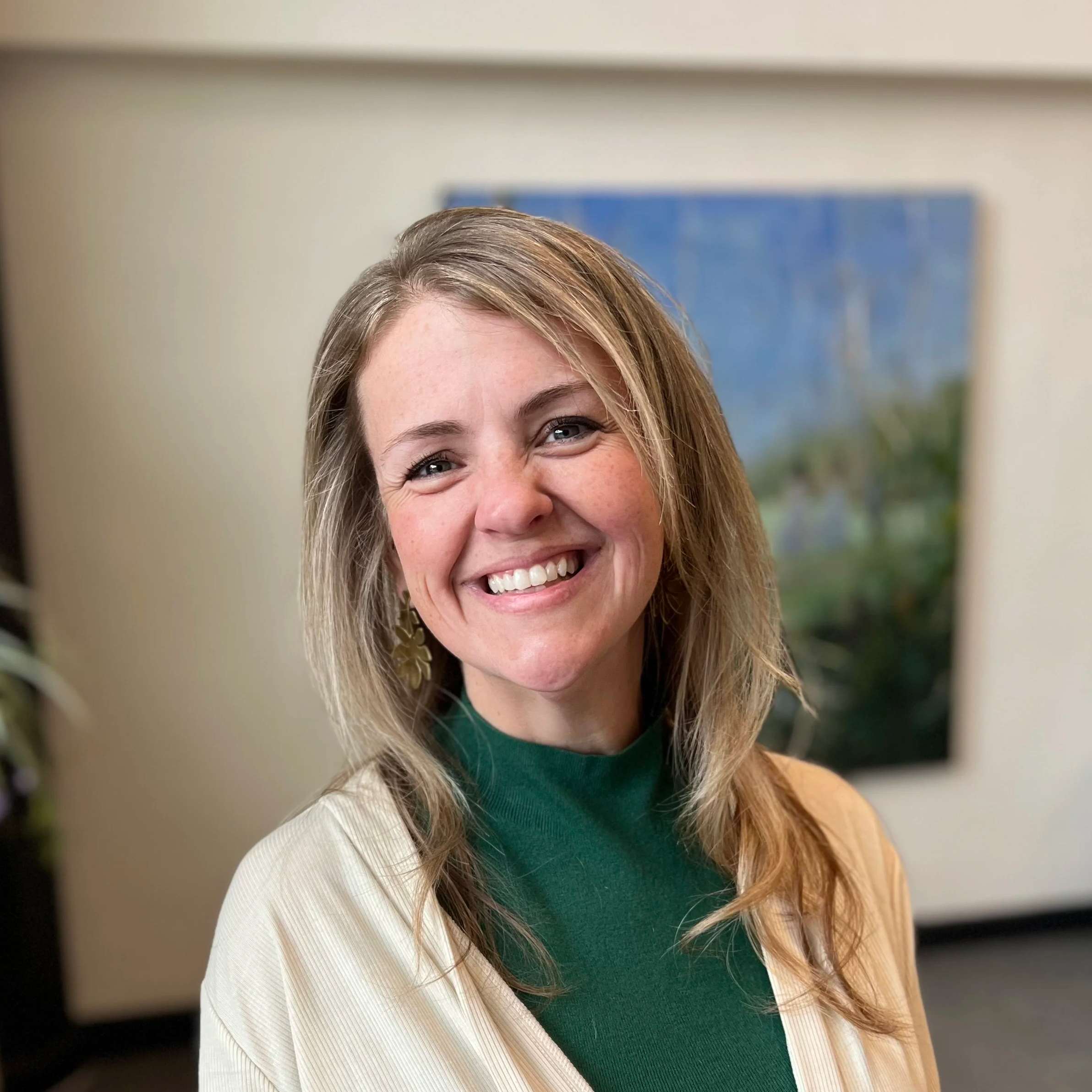
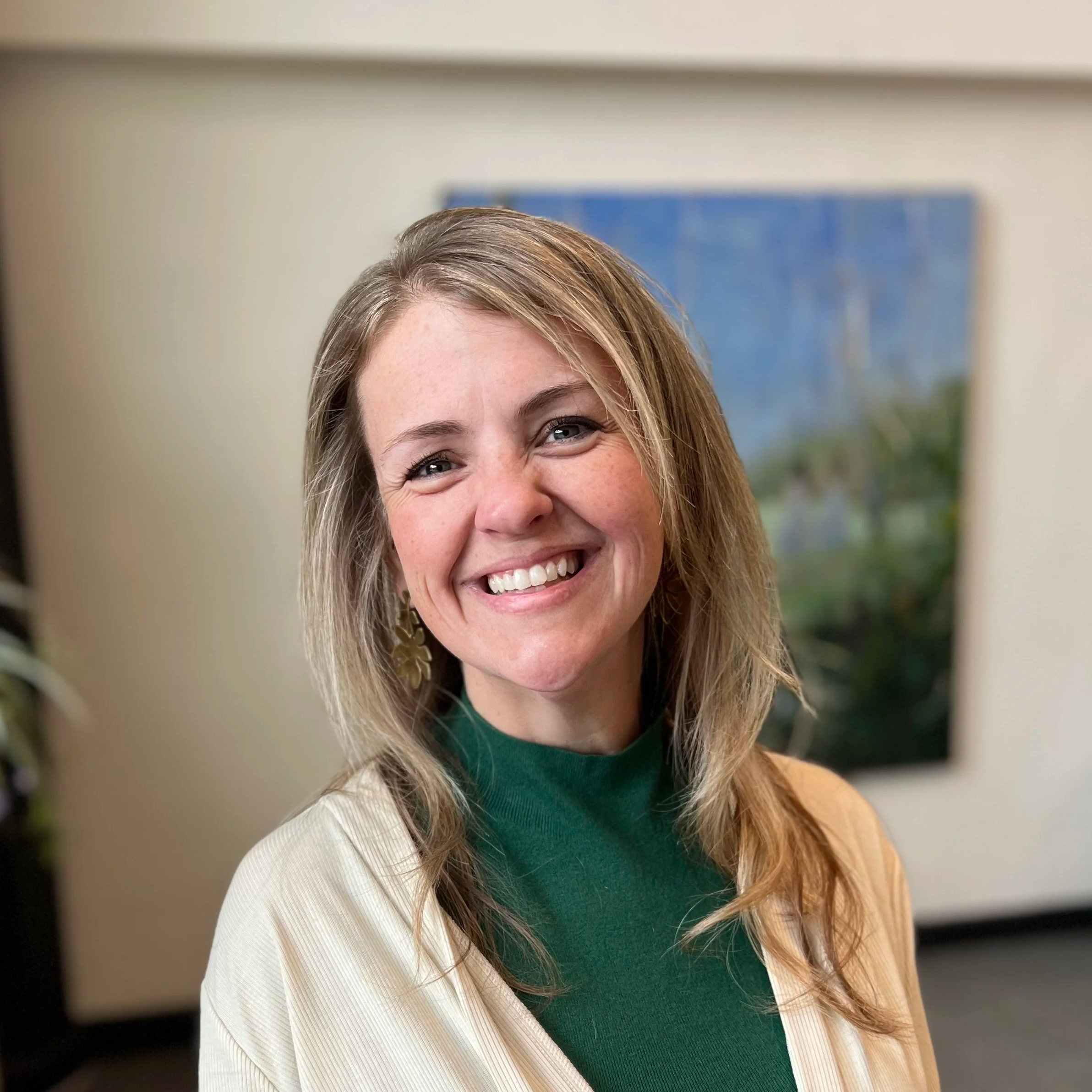
Megan Flinn, PhD, LMHC, is an Assistant Professor and the Practicum and Internship Coordinator in the College of Education and Behavioral Sciences at the University of Indianapolis. Dr. Flinn holds a PhD in Counselor Education and Supervision and is a Licensed Mental Health Counselor in the state of Indiana. Her professional background spans mental health counseling, non-profit consultation, international consultation, and over a decade of community development work. Dr. Flinn’s research focuses on outcomes in counseling and prevention, alongside qualitative studies related to clinical practice, clinical supervision, and trauma treatment. With extensive experience in counseling and behavioral science, she brings a practical and scholarly lens to mental health education and counselor training. She is dedicated to advancing clinical practices and preparing the next generation of mental health professionals through integrative research and instruction.
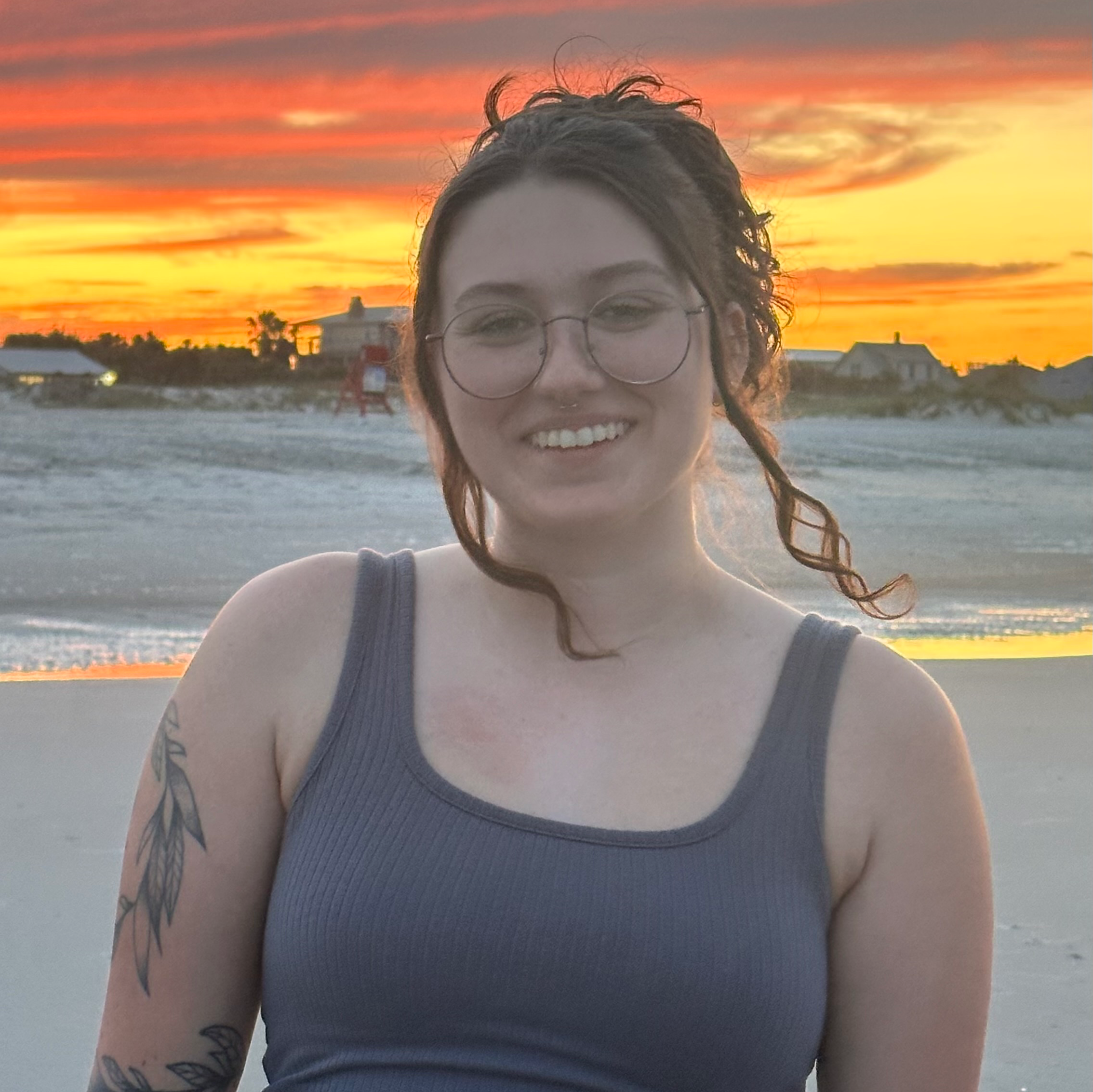
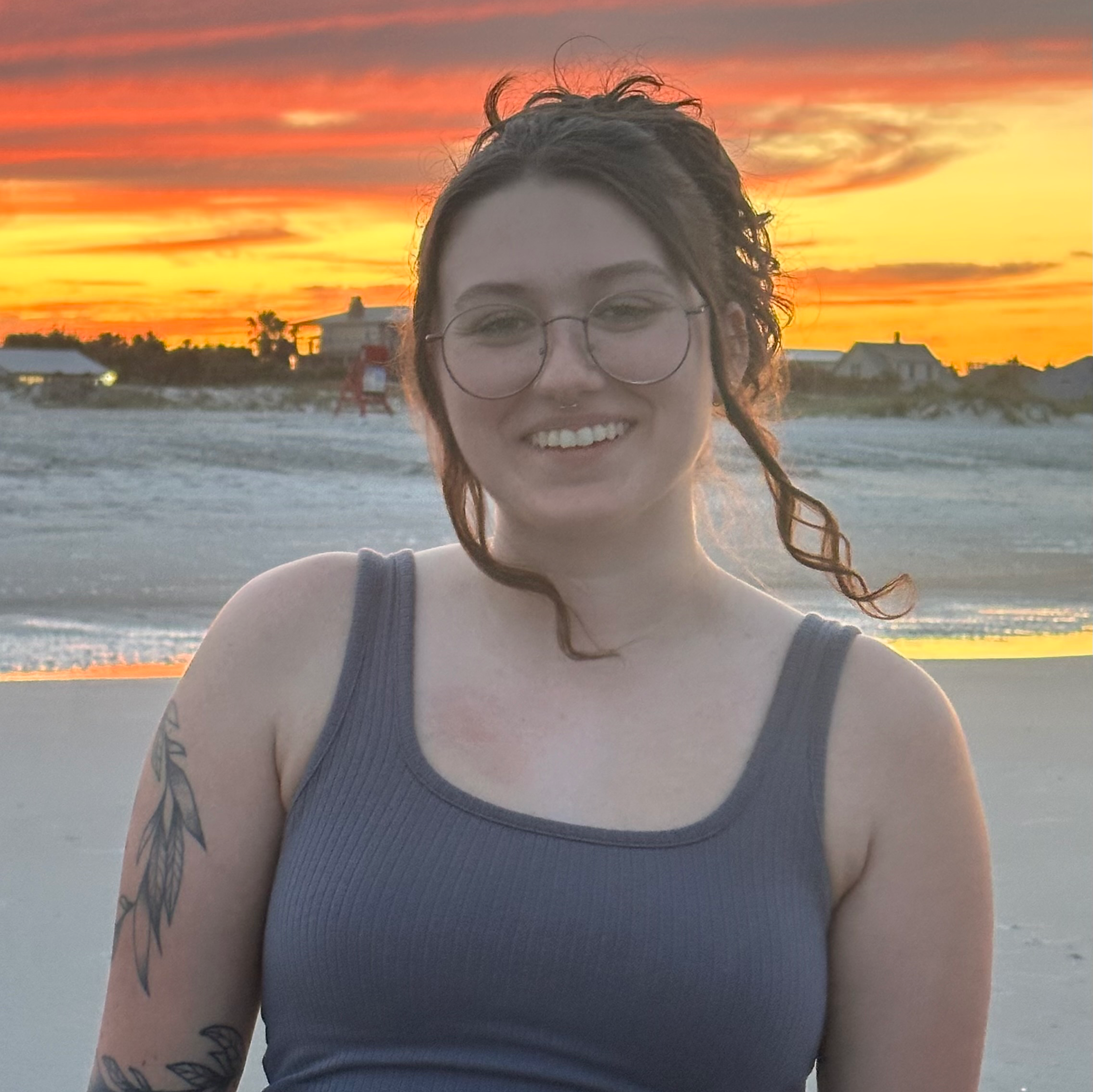
Brooklyn Dearth, MA is currently a second year student in the University of Indianapolis’ Master of Arts in Mental Health Counseling - Art Therapy program. In 2025, she graduated from Indiana University with a Bachelor of Arts in Psychology with a minor in Art, and a Pre-Art Therapy certificate. She is currently interning at a non-profit organization specializing in providing supportive care to young adults experiencing housing and job insecurity. Her professional interests include utilizing art therapy interventions in individual and group settings, and working with diverse populations, including adolescents and young adults who have experienced complex trauma, and those who are LGBTQ+.
Bailey Strawhorn is a graduate student at the University of Indianapolis, obtaining his masters degree in mental health counseling and art therapy. HIs current internship has him working with youth and young adults who are experiencing trauma, PTSD, homelessness and home instability.

Financially Sponsored By

  • Indiana Counseling Association