Open help menu

Pricing

Information

Date & Time

Learning Objectives

Participants will be able to:

  • Identify key changes in wellness ideals and describe how these evolving ideals may influence perceptions of health and well-being.

  • Evaluate the relationship between wellness content consumption and symptoms of disordered eating and related concerns among emerging adults.

  • Differentiate the clinical features of orthorexia nervosa and muscle dysmorphia and identify considerations for assessment and treatment.

Educational Goal

The educational goal of this workshop is for attendees to learn about the evolution of wellness ideals as well a clinical understanding of orthorexia nervosa and muscle dysmorphia. They will learn how to assess the relationship between wellness content consumption and symptomology among emerging adults.

Description

When does healthy become harmful? This research aims to investigate how the consumption of wellness content on social media may be linked to both muscle dysmorphia and orthorexia nervosa symptomology within emerging adults. With the results of this research, therapists can begin to understand the role social media and fitness-related content play in the psychosocial development of this critical age demographic and look beyond the surface level of healthy living.

Target Audience

  • Addiction Professional
  • Counselor
  • Marriage & Family Therapist
  • Psychologist
  • Social Worker

Presenters

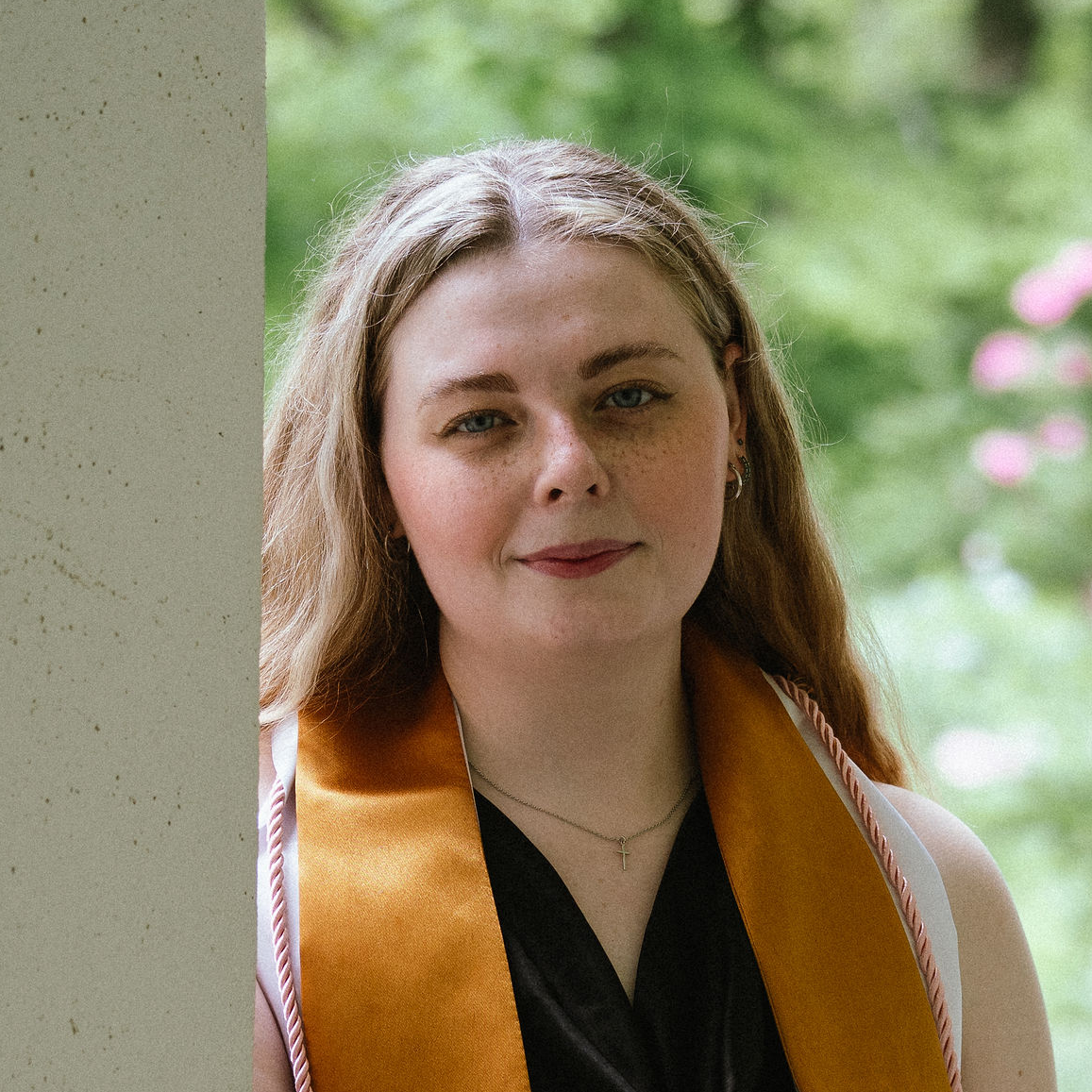
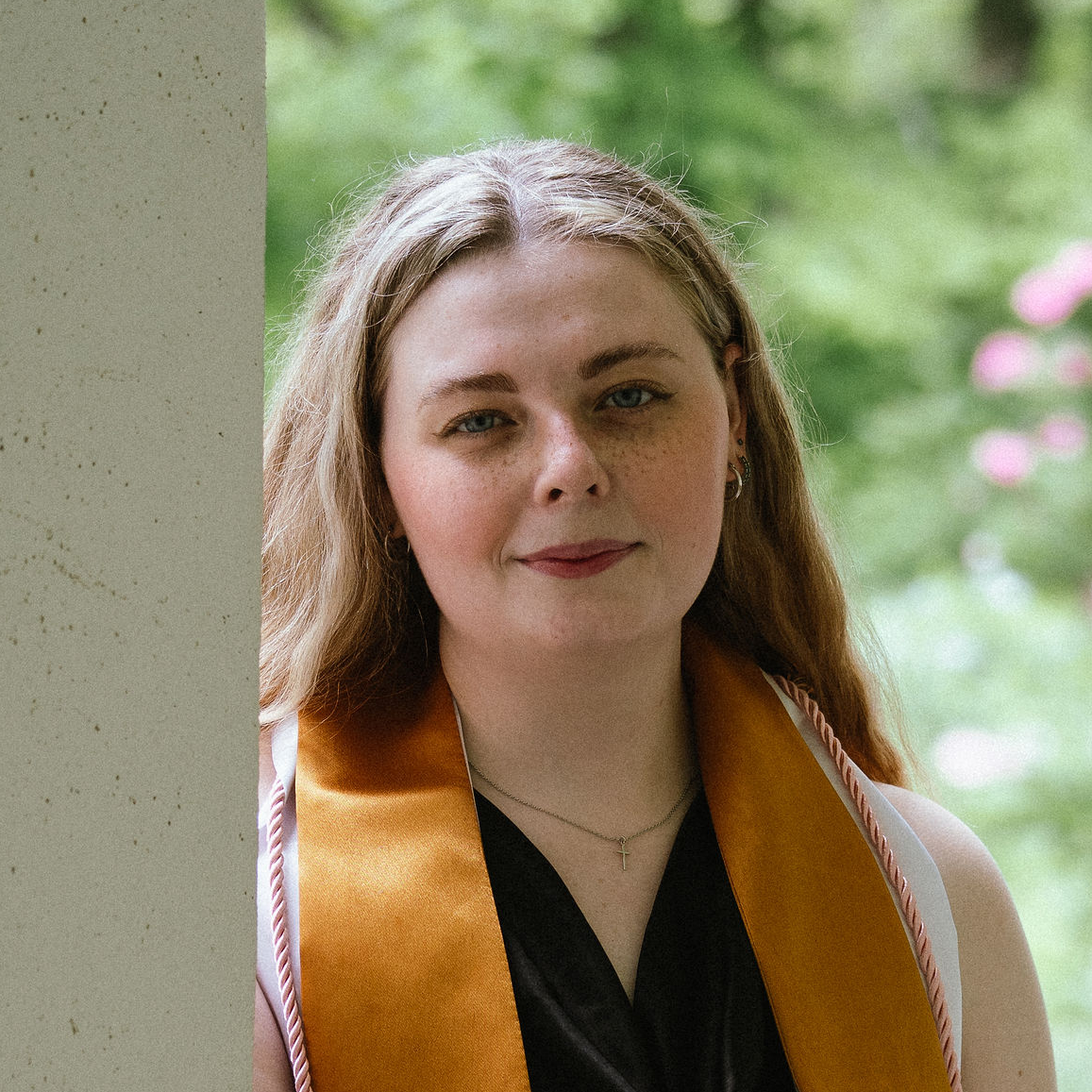
Makayla Grimes is a graduate student pursuing a Master’s degree in Mental Health Counseling at the University of Indianapolis. Her research interests focus on how technological advancements influence mental health. Makayla serves as the President of the Counseling Student Organization, where she advocates for student engagement and professional development. She is committed to empowering her future clients with a person-centered approach, and integrating evidence-based skills gained through her academic training and internship experiences.
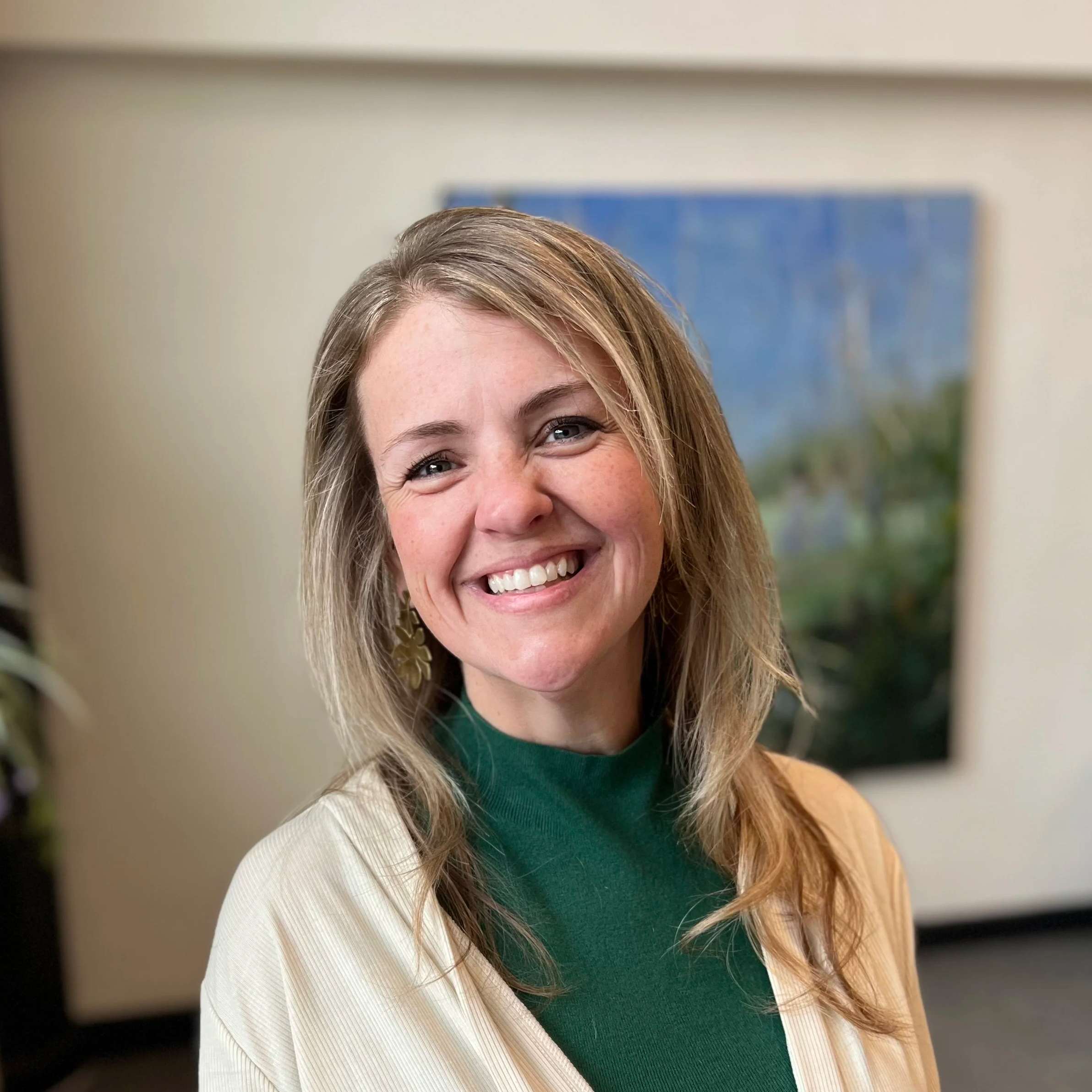
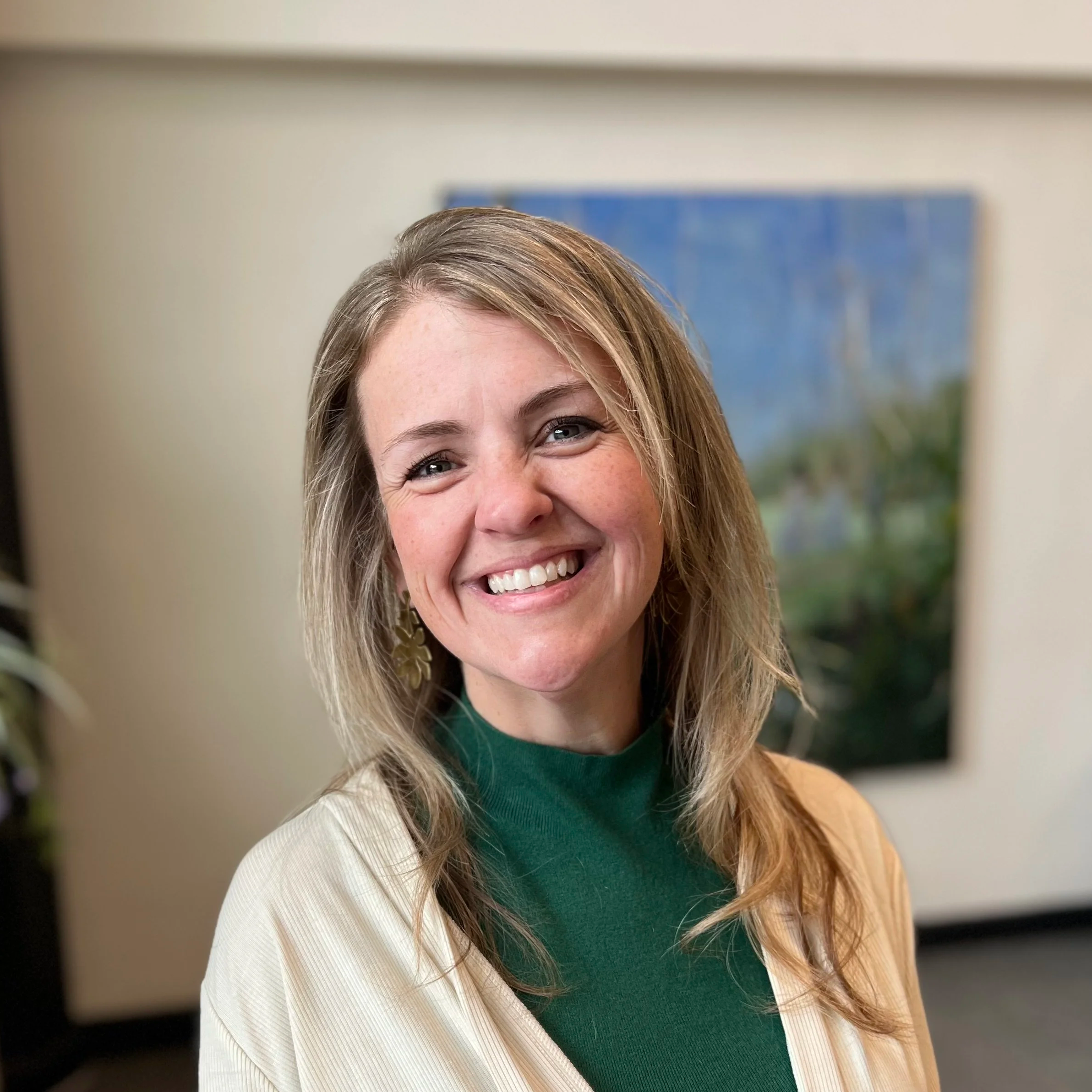
Megan Flinn, PhD, LMHC, is an Assistant Professor and the Practicum and Internship Coordinator in the College of Education and Behavioral Sciences at the University of Indianapolis. Dr. Flinn holds a PhD in Counselor Education and Supervision and is a Licensed Mental Health Counselor in the state of Indiana. Her professional background spans mental health counseling, non-profit consultation, international consultation, and over a decade of community development work. Dr. Flinn’s research focuses on outcomes in counseling and prevention, alongside qualitative studies related to clinical practice, clinical supervision, and trauma treatment. With extensive experience in counseling and behavioral science, she brings a practical and scholarly lens to mental health education and counselor training. She is dedicated to advancing clinical practices and preparing the next generation of mental health professionals through integrative research and instruction.