Open help menu

Pricing

Information

Date & Time

Learning Objectives

Participants will be able to:

  • Identify at least three examples of advocacy opportunities at the local, state, national, and international levels.

  • Apply professional skills to support advocacy efforts and address the needs of communities they serve.

  • Develop strategies for maintaining sustainable advocacy engagement while managing personal and professional responsibilities.

Educational Goal

The educational goal of this workshop is for attendees to learn how to identify advocacy opportunities, how to appreciate and operationalize their skills in order to serve communities, and how to balance community involvement while managing personal and professional boundaries.

Description

Counselors will develop knowledge and practical skills to identify opportunities for advocacy and engage in meaningful professional and community involvement. This course will explore pathways for advocacy at the local, state, national, and international levels, while highlighting strategies for effective engagement and service. Participants will also examine ways to sustain personal well-being and professional effectiveness while balancing advocacy efforts.

Target Audience

  • Addiction Professional
  • Counselor
  • Marriage & Family Therapist
  • Psychologist
  • Social Worker

Presenters

Dr. Dominic Augustin PhD, CRC, NCC has professional experience counseling elementary and high school students, crisis counseling, counseling college students, counseling people with disabilities, counseling people from a variety of racial backgrounds, and counseling adults. He also has experience working in a student disability resource office, college counseling clinic, a high school setting as a mental health counselor, and a psychological counseling clinic. He is passionate about supporting historically underrepresented and marginalized clients in spaces where they can improve their material reality such as universities and the work place. He also cares deeply about equipping counselors and counselors in training with the skills they need to make positive impacts in their community.
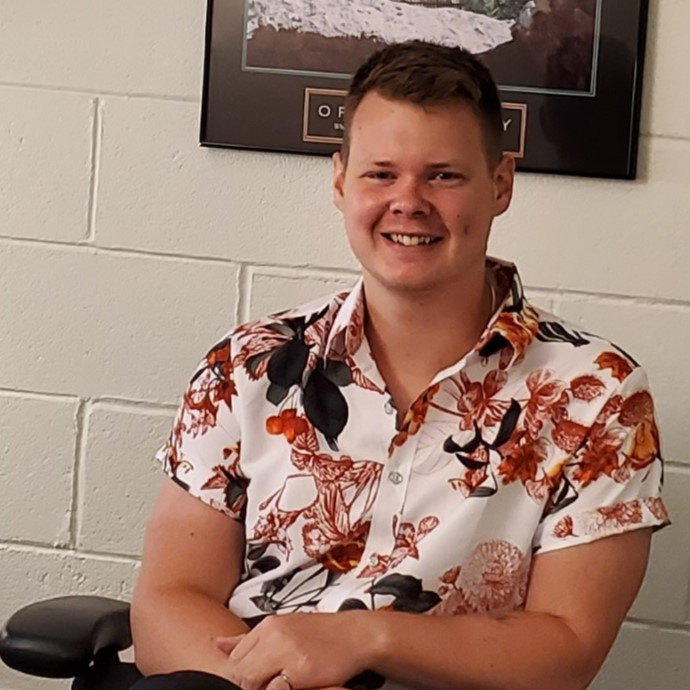
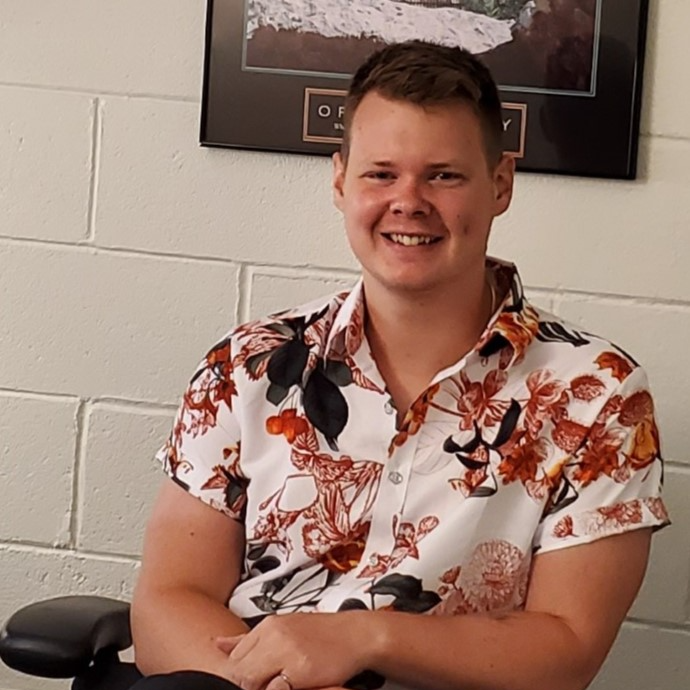
Spencer G. Murphy, PhD, began his career in mental healthcare as a case manager for a community mental health clinic. Feeling incompetent in his ability to reach his clients before they had experienced profound trauma, he turned to the source of his many referrals, counselors, and figured he would become one to learn how to stop the bleeding. Since entering the field, Dr. Murphy has worked in college counseling centers and community clinics, but a bulk of his experience and expertise is in corrections counseling. Inspired by existential theory, Dr. Murphy strives to understand his clients’ material conditions, and to identify the oppressive structures which are responsible for inflicting trauma so they may be dismantled. To do that, Dr. Murphy fiercely advocates for collective action, state power, and an organized working class. He presently researches the efficacy of client advocacy models and the relationship between counseling and capitalism. Dr. Murphy teaches at Butler University and has held leadership positions within several local and national coalitions, both within and without the field of counseling, such as the National Political Education Committee (NPEC) of the Democratic Socialists of America (DSA) and the Legislative Review Committee of the International Association of Addictions and Offender Counseling (IAAOC).