Open help menu
Live Webinar
Ethics, Cultural Responsiveness, and Clinical Relationships

Real Ethical: The Ethics of Truth-Telling in Mental Health Practice

|

Pricing

Information

Date & Time

Description

Real Ethical: The Ethics of Truth-Telling in Mental Health Practice explores how clinicians can be both authentic and ethically grounded in their work with clients. Drawing on Brené Brown's research and the principles of Motivational Interviewing, this presentation examines how honesty, transparency, and genuine connection can strengthen therapeutic relationships without compromising professional ethics. Participants will learn practical strategies for having difficult conversations, fostering engagement and buy-in, and balancing candor with empathy, respect, and client autonomy. The presentation also highlights the essential role of a person's natural supports and community in sustaining change, emphasizing how ethical, transparent practice extends beyond the therapy room to include collaboration with the people and environments that promote long-term recovery and resilience. This session is designed for clinicians seeking to deepen trust while remaining firmly rooted in ethical practice.

Learning Objectives

Participants will be able to:

  • Apply ethical principles of honesty and transparency to clinical interactions in ways that strengthen therapeutic alliance while maintaining professional boundaries and respecting client autonomy.

  • Integrate Motivational Interviewing strategies and concepts of vulnerability, trust, and courageous communication to enhance client engagement, increase buy-in, and navigate difficult conversations effectively.

  • Evaluate the role of community and natural support systems in ethical mental health practice and identify strategies for partnering with clients' families, peers, and communities to promote sustainable recovery and meaningful change.

Educational Goal

The educational goal of this workshop is for participants to learn practical and ethical strategies for having difficult conversations, fostering engagement and buy-in, and balancing candor with empathy, respect, and client autonomy.

Target Audience

  • Addiction Professional
  • Counselor
  • Marriage & Family Therapist
  • Psychologist
  • Social Worker

Presenters

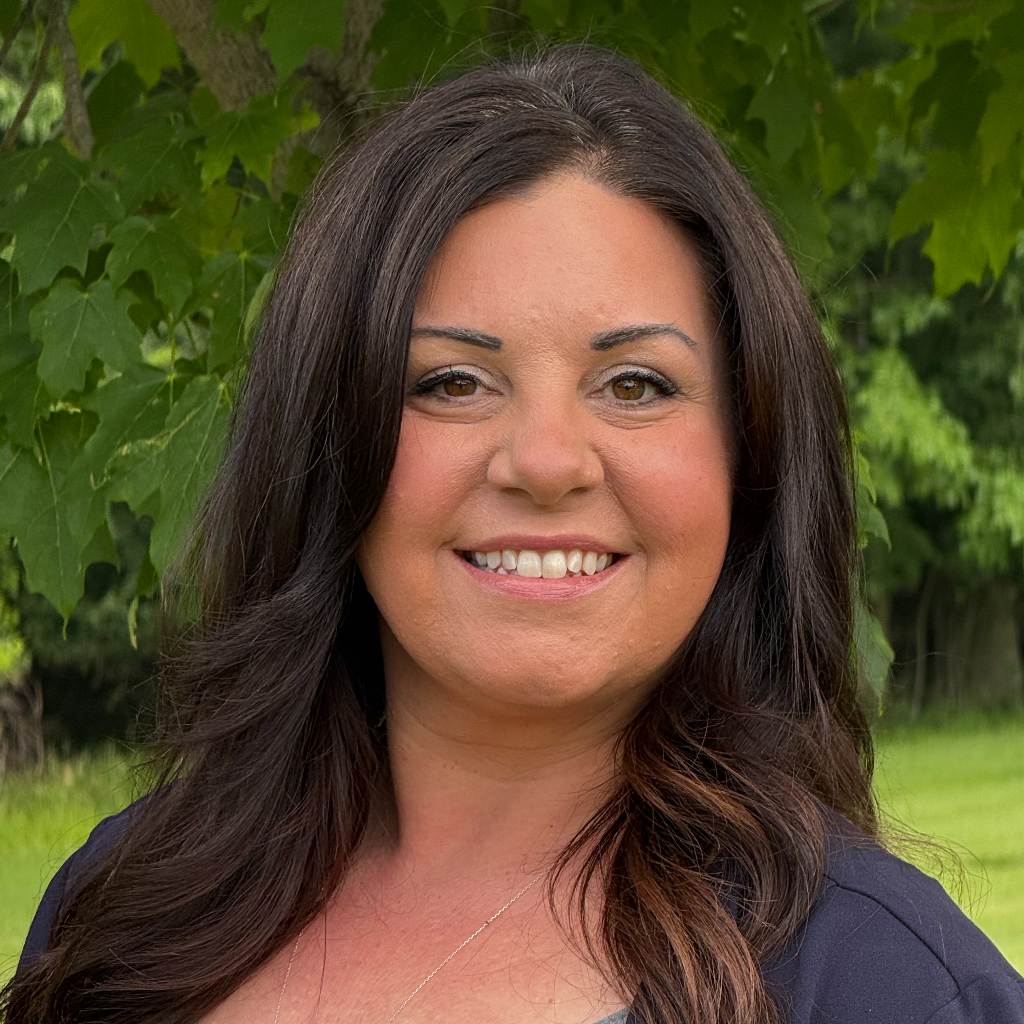
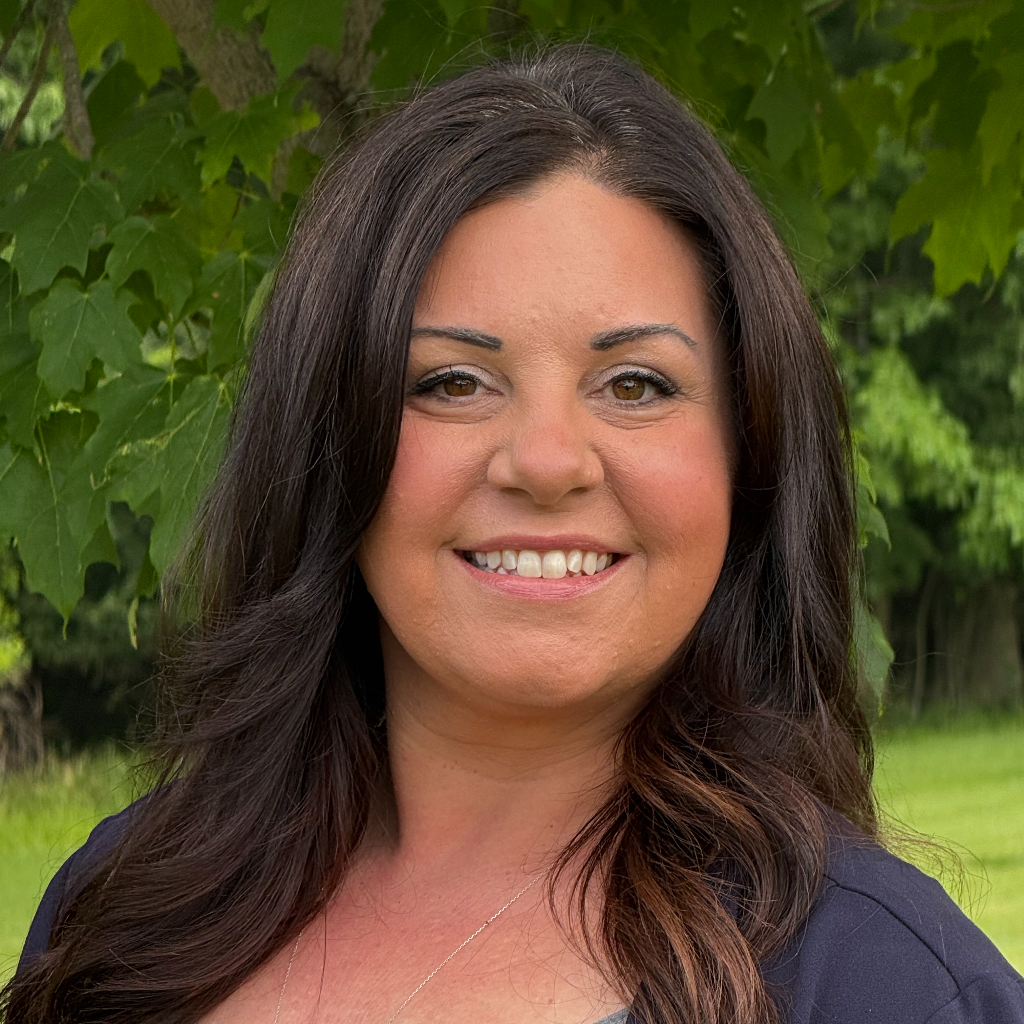
Kelli Waite, LMSW, is the Director of Clinical Services at Rose Hill Center, where she has spent the past 14 years supporting individuals and families navigating complex and persistent mental health challenges. With nearly 20 years of experience in the mental health field, she brings a broad perspective shaped by work across multiple clinical settings and levels of care. Kelli earned her Master of Social Work degree from Michigan State University, Bachelor of Social Work degree from Saginaw Valley State University. Her clinical background includes extensive experience in residential mental health services, clinical leadership, and interdisciplinary treatment, along with training in Dialectical Behavior Therapy (DBT), Radically Open Dialectical Behavior Therapy (RO DBT), and recovery-oriented approaches to care. Kelli believes that truly effective clinical care requires more than following policies, checking boxes, or simply doing what is expected. It requires showing up as real people, having the conversations that are sometimes uncomfortable, being willing to challenge ourselves, and recognizing the responsibility that comes with the power of our professional roles. She is passionate about delivering care that makes a genuine difference in people's lives while remaining grounded in ethical practice, personal dignity, autonomy, and meaningful human connection. Her approach challenges the idea that professionalism requires emotional distance and instead emphasizes that authenticity, accountability, and compassion can coexist with strong clinical boundaries. Outside of work, Kelli enjoys spending time with her two children, traveling up north, trail riding, and being outdoors. She values connection, authenticity, and the simple moments that make life meaningful—both personally and in the work she is fortunate enough to do.

Financially Sponsored By

  • Rose Hill Center