Open help menu
Live Webinar

Ethics, Cultural Responsiveness, and Clinical Relationships

|

Information

Date & Time

Description

Ethical, effective mental health care requires more than clinical knowledge. It calls for building trusting relationships, communicating with honesty and empathy, and recognizing the cultural experiences and perspectives that shape each client's care.

This two-part educational series explores complementary approaches to strengthening therapeutic relationships and improving clinical practice. Participants will examine the role of transparency, ethical communication, and client autonomy, while also exploring evidence-based strategies for developing greater cultural responsiveness through Multicultural Orientation.

Together, these presentations offer practical insights to help clinicians foster trust, deepen connections, and provide more thoughtful, culturally responsive care.

Session 1 | 9:30 AM – 10:30 AM CT Real Ethical: The Ethics of Truth-Telling in Mental Health Practice

Explore how clinicians can balance honesty, transparency, and authenticity with professional ethics and client autonomy. Drawing on Brené Brown's research and the principles of Motivational Interviewing, this presentation offers practical strategies for navigating difficult conversations, strengthening therapeutic relationships, and fostering client engagement. Participants will also consider the importance of natural supports and community partnerships in promoting lasting recovery and resilience.

Session 2 | 11:00 AM – 12:00 PM CT Advances in Cultural Responsiveness: An Introduction to Multicultural Orientation

Explore Multicultural Orientation (MCO), an emerging, empirically supported model for strengthening culturally responsive mental health care. This presentation introduces the three pillars of MCO: cultural humility, cultural comfort, and cultural opportunities. Participants will review the research supporting this approach and discuss practical strategies for incorporating MCO into clinical practice.

Target Audience

  • Addiction Professional
  • Counselor
  • Marriage & Family Therapist
  • Psychologist
  • Social Worker

Presenters

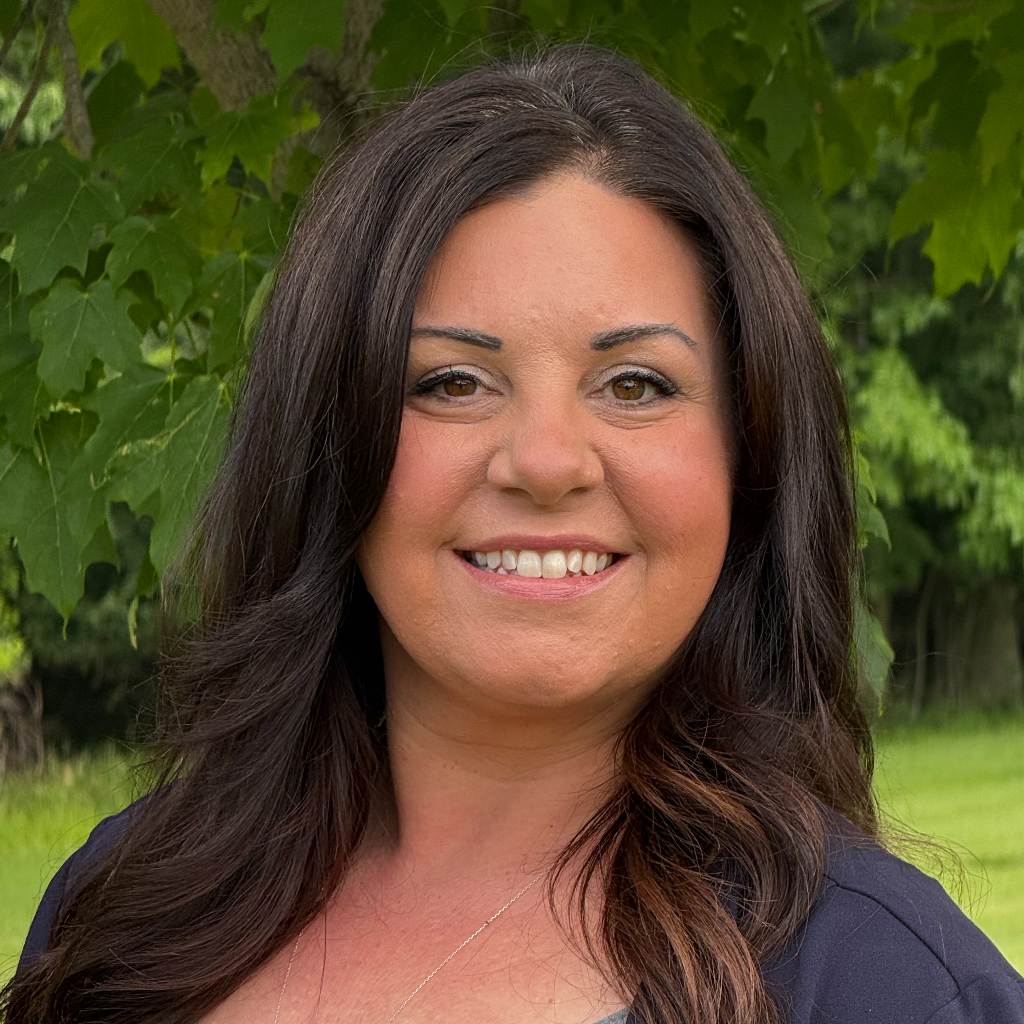
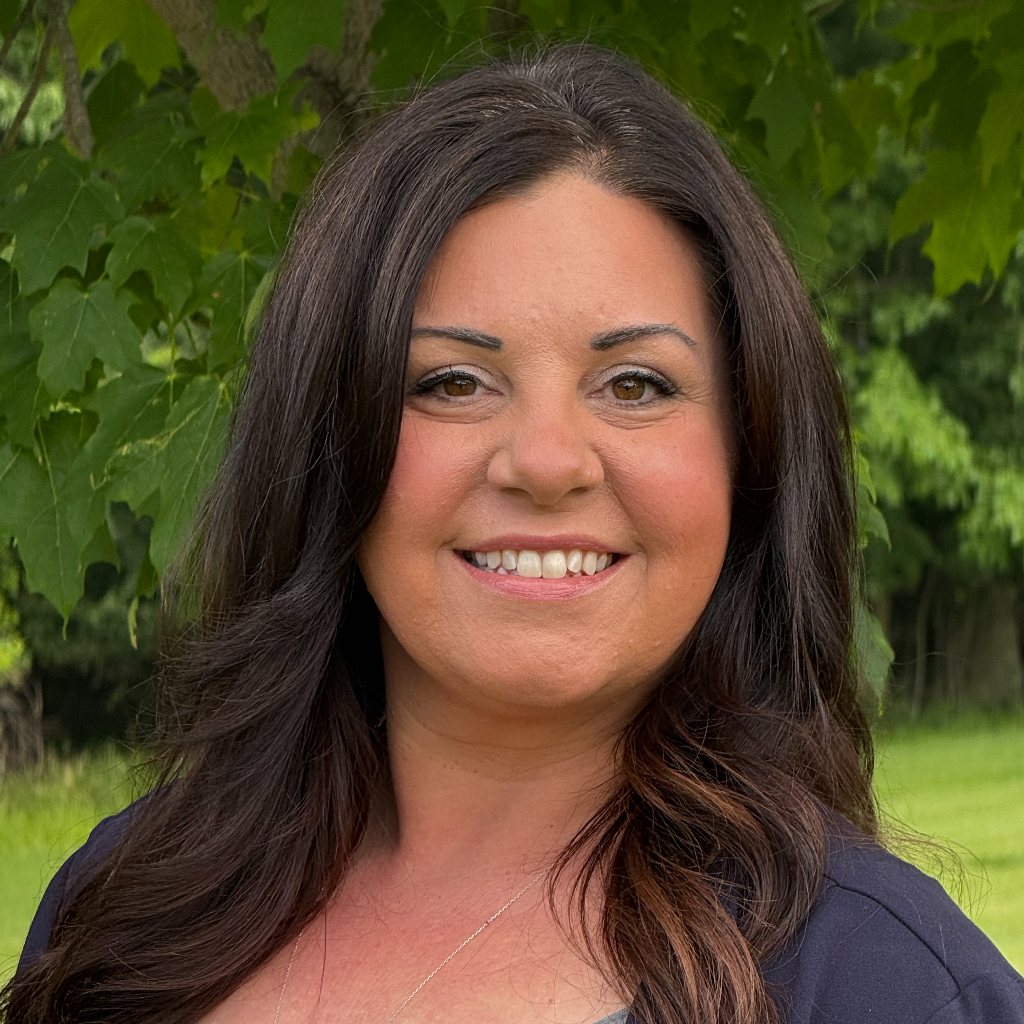
Kelli Waite, LMSW, is the Director of Clinical Services at Rose Hill Center, where she has spent the past 14 years supporting individuals and families navigating complex and persistent mental health challenges. With nearly 20 years of experience in the mental health field, she brings a broad perspective shaped by work across multiple clinical settings and levels of care. Kelli earned her Master of Social Work degree from Michigan State University, Bachelor of Social Work degree from Saginaw Valley State University. Her clinical background includes extensive experience in residential mental health services, clinical leadership, and interdisciplinary treatment, along with training in Dialectical Behavior Therapy (DBT), Radically Open Dialectical Behavior Therapy (RO DBT), and recovery-oriented approaches to care. Kelli believes that truly effective clinical care requires more than following policies, checking boxes, or simply doing what is expected. It requires showing up as real people, having the conversations that are sometimes uncomfortable, being willing to challenge ourselves, and recognizing the responsibility that comes with the power of our professional roles. She is passionate about delivering care that makes a genuine difference in people's lives while remaining grounded in ethical practice, personal dignity, autonomy, and meaningful human connection. Her approach challenges the idea that professionalism requires emotional distance and instead emphasizes that authenticity, accountability, and compassion can coexist with strong clinical boundaries. Outside of work, Kelli enjoys spending time with her two children, traveling up north, trail riding, and being outdoors. She values connection, authenticity, and the simple moments that make life meaningful—both personally and in the work she is fortunate enough to do.
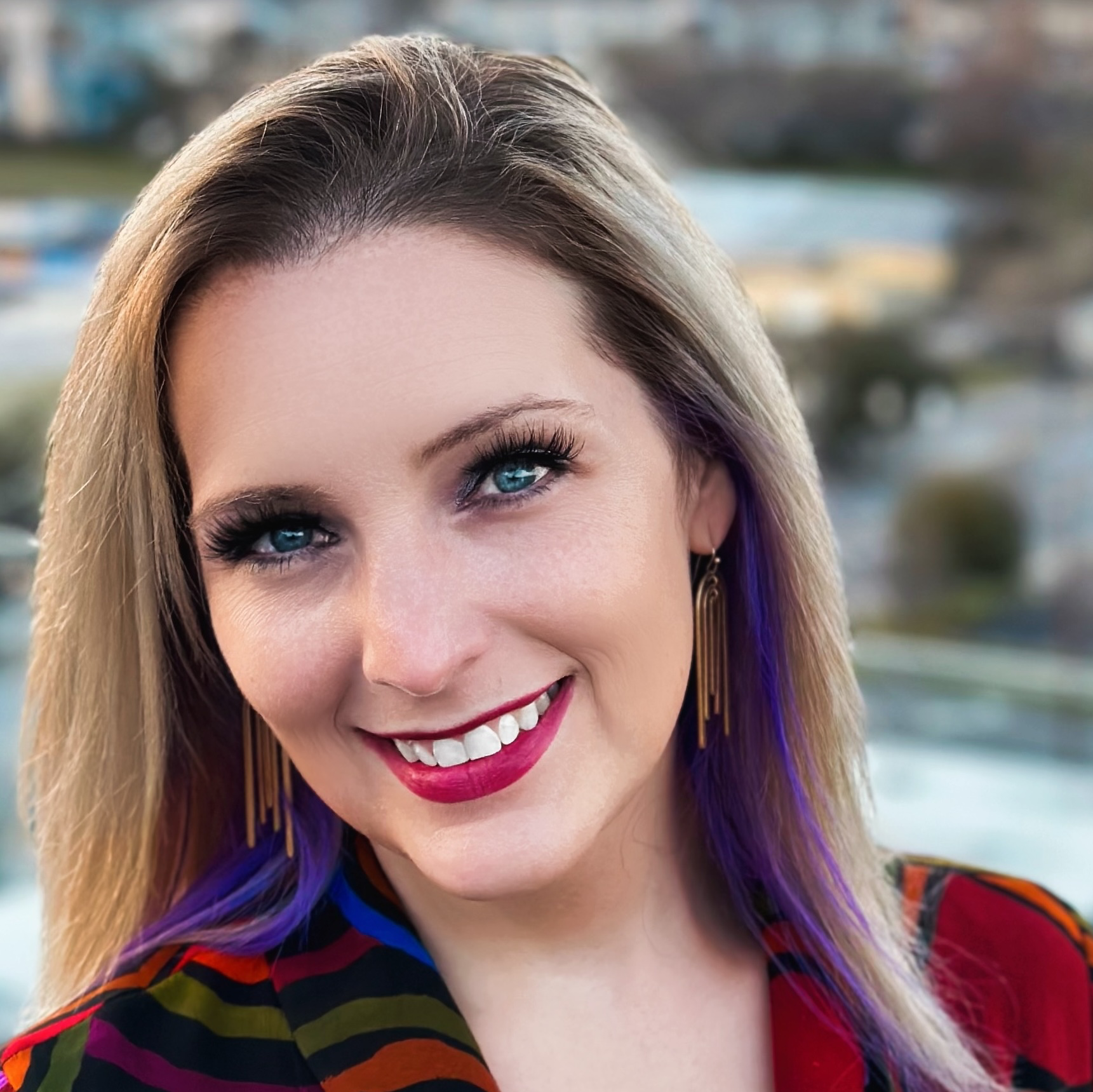
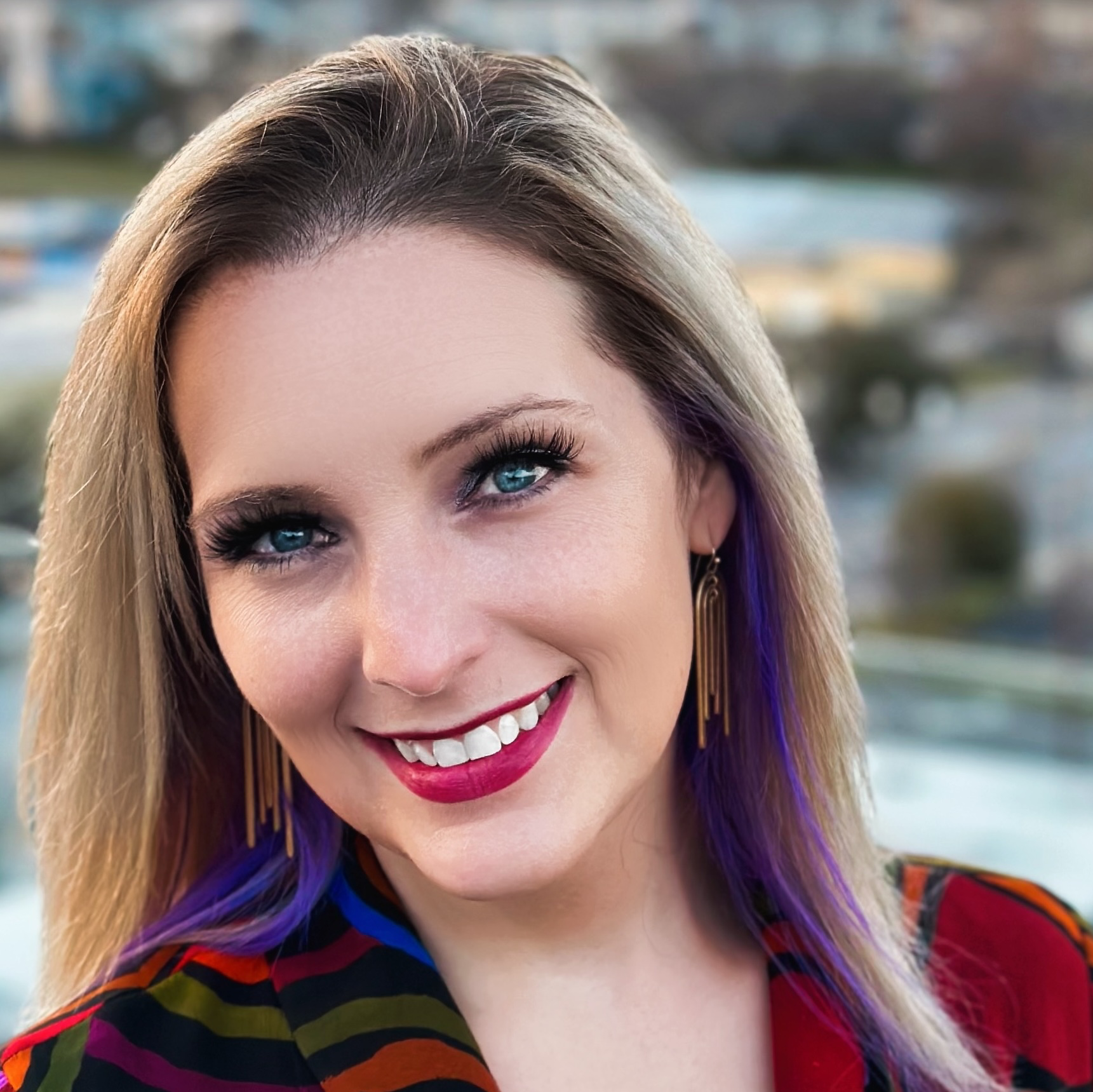
Melanie M. Wilcox, Ph.D., ABPP, is a licensed psychologist and board certified in counseling psychology. She is a psychologist in private practice as well as a full-time faculty member conducting research as well as teaching and supervising doctors and master's students. She has over ten years of experience in graduate education, training, and clinical supervision. She is currently Past-President of Division 17, the Society of Counseling Psychology, and is also a Chair of the APA Committee on Socioeconomic Status; a former Chair of the APA Board of Educational Affairs; and, an Associate Editor with the Journal of Counseling Psychology and Training and Education in Professional Psychology. Her research focuses on psychotherapy training and clinical supervision; culturally and structurally responsive psychotherapy; racial and socioeconomic inequity in higher education; and racial and social justice more broadly. She has authored or co-authored over 45 peer-reviewed articles, given over 200 presentations (including peer-reviewed and continuing education workshops), and has co-authored numerous APA policy statements and draft guidelines. Dr. Wilcox has been nationally recognized for her scholarship, leadership, teaching, and advocacy, earning multiple awards including recently the 2025 The Counseling Psychologist Outstanding Article award, the 2024 Karl F. Heiser APA Presidential Award for Advocacy, the 2024 Training and Education in Professional Psychology Outstanding Contribution Award, and 2022 Division 17 Fitz & Linn Kuder Early Career Award for Distinguished Scientific Contributions to Counseling Psychology. Clinically, she specializes in trauma and loss, culturally and structurally responsive approaches to psychotherapy and assessment, LGBTQ+-affirming care, and the assessment and treatment of addiction.

Financially Sponsored By

  • Rose Hill Center