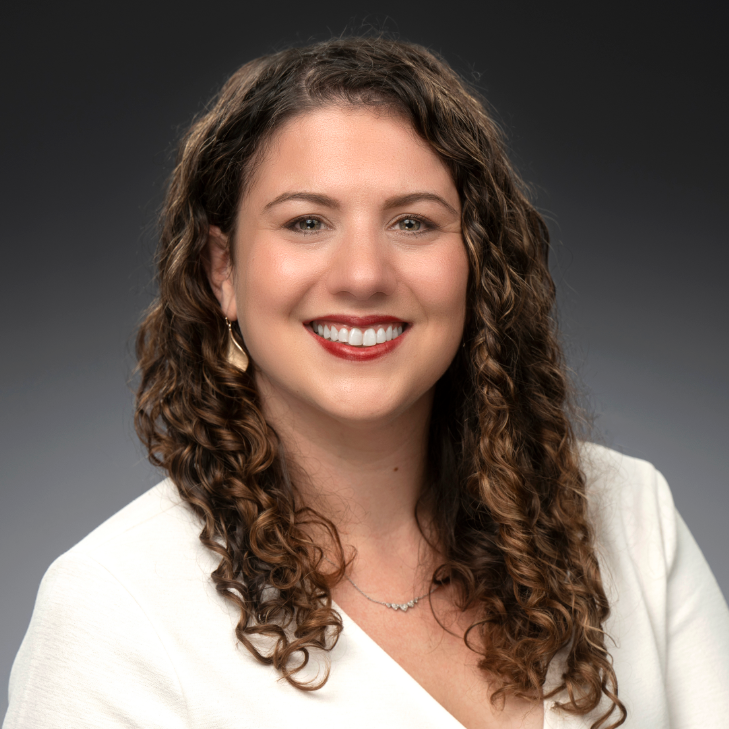
Rachel Kentor, PhD, is a pediatric palliative care psychologist and Associate Professor of Pediatrics in the Divisions of Psychology and Palliative Care at Baylor College of Medicine and Texas Children’s Hospital. She provides psychological care to children with serious illness and their families, with clinical and research interests focused on pediatric palliative care, illness-related communication, grief and bereavement, anticipatory grief, and provider resilience.
Dr. Kentor is a nationally recognized leader in pediatric palliative care psychology. She co-founded the Society of Pediatric Psychology’s Palliative Care and End-of-Life Special Interest Group, was an inaugural Executive Committee member for the National Coalition for Hospice and Palliative Care (NCHPC) Pediatric Task Force, and currently serves as the Interdisciplinary Representative on the Pediatrics Council of the American Academy of Hospice and Palliative Medicine. She has authored numerous publications on pediatric palliative care, communication, bereavement, and psychology training, including work defining professional competencies for psychologists in pediatric palliative care.
An experienced educator and mentor, Dr. Kentor has supervised psychology trainees, medical residents, fellows, and interdisciplinary learners for more than a decade. Her teaching focuses on helping trainees develop both competence and resiliency when working with children and families facing serious illness and end-of-life challenges. She was the recipient of the Norton Rose Fulbright Faculty Excellence Award for Teaching and Evaluation in 2024.
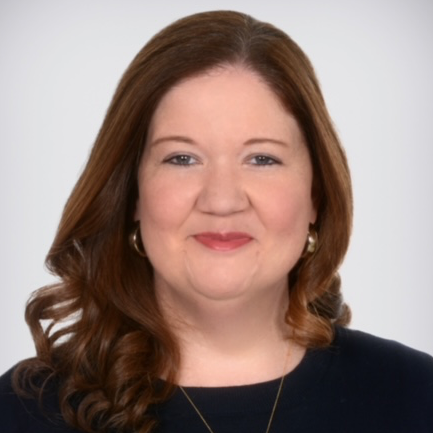
For almost two decades, Dr. Amanda Thompson has dedicated her career as a pediatric psychologist to caring for and improving the lives of children, adolescents, and families impacted by serious and life-threatening illness. She received her Ph.D. in Clinical-Developmental Psychology from the University of Pittsburgh, completed her predoctoral residency in pediatric psychology at the A.I. duPont Hospital for Children in Wilmington, DE (now Nemours), and completed a two-year post-doctoral fellowship in pediatric psycho-oncology at Nationwide Children’s Hospital in Columbus, OH. Dr. Thompson then spent a decade as the Director of Psychology and Psychosocial Services in the Center for Cancer and Blood Disorders at Children’s National Hospital, building robust psychology and psychosocial teams and creating a psychology training program. She then transitioned to Chief of Pediatric Psychology and Director of Pediatric Programs at Life with Cancer, the psychosocial program arm of Inova Schar Cancer in Fairfax, VA, where she continued her service to the cancer community through 2025.
Dr. Thompson has a national presence as an author of the Standards of Psychosocial Care for Children with Cancer and their Families and as project lead on the development of Competencies for Psychologists Practicing in Pediatric Palliative Care (Thompson et al, 2025). She has previously served as chair of the Pediatrics/AYA Special Interest Group of the American Psychosocial Oncology Society (APOS) and as board member on the Pediatrics Council of the American Academy of Hospice and Palliative Medicine (AAPHM). Dr. Thompson is the American Psychological Association’s representative to the Pediatrics Division of the National Coalition of Hospice and Palliative Care and is a member of the Coalition’s expert panel developing the 5th edition of the Clinical Practice Guidelines for Quality Palliative Care. She also leads a national network of psychologists practicing in pediatric palliative care, providing mentorship and support to early and mid-career psychologists in hospitals across the country.
Dr. Thompson has published in numerous peer-reviewed journals (https://orcid.org/0000-0002-9683-9809), regularly presents at national and international scientific conferences, and teaches frequently in hospitals and the community on psycho-oncology, palliative care, interdisciplinary care, and grief and bereavement. Dr. Thompson was awarded the Outstanding Clinical Care award from APOS in 2024 and is a Fellow of both APOS and Division 54 (Society of Pediatric Psychology) of APA. Finally, she is an adjunct professor at the University of Maryland, where she teaches in their Interprofessional Pediatric Palliative Care master’s program.
Currently, Dr. Thompson is a staff psychologist at The Snow Psychology Group where she provides psychotherapy services to children, adolescents, and emerging adults experiencing anxiety, depression, adjustment difficulties, and stress related to medical or family circumstances. She is especially passionate about supporting older adolescents and emerging adults, including those who are grieving the death of a loved one or coping with serious illness within their family.
When not at work, Dr. Thompson enjoys spending time with her dog, watching her nieces and nephew play ice hockey, and feeding her infinite wanderlust by traveling whenever possible and capturing those experiences through her love of photography.
 Google
 Outlook.com
 Yahoo