
Open help menu
Live Webinar

Finding Your Disabled Feminist Psychologist Voice

|

Information

Date & Time

Description

Disability disclosure and access to accommodations remain significant sources of confusion and stress for psychology trainees and professionals, particularly within high-stakes contexts such as graduate school, licensure, and employment. This panel will provide clear, practical guidance to help attendees understand the intersection of professional implications, Disabled pride, and legal standards that impact disclosure decisions. Presenters will review federal and state legal guidelines surrounding disability disclosure, clarify which disabilities and health conditions qualify for reasonable accommodations, and demonstrate how to effectively request accommodations during graduate school, the EPPP, supervised training, and employment. Through an intersectional social justice lens, panelists will also explore how disability, identity, and systemic barriers intersect within psychology,

Educational Goal

The educational goal of this workshop will provide clear, practical guidance to help attendees understand the intersection of professional implications, Disabled pride, and legal standards that impact disclosure decisions. Presenters will review federal and state legal guidelines surrounding disability disclosure, clarify which disabilities and health conditions qualify for reasonable accommodations, and demonstrate how to effectively request accommodations during graduate school, the EPPP, supervised training, and employment. Through an intersectional social justice lens, panelists will also explore how disability, identity, and systemic barriers intersect within psychology,

Learning Objectives

Participants will be able to:

  • Apply feminist, intersectional, and social justice frameworks for using their voices to advocate

  • Describe how their intersectional disability/health condition identities are protected by the legal guidelines around disclosure to navigate issues, such as the license process, workplace environments and accessing accommodations.

  • Identify their intersecting disabilities/health conditions that qualify for reasonable accommodations.

Target Audience

  • Addiction Professional
  • Counselor
  • Marriage & Family Therapist
  • Psychologist
  • Social Worker

Presenters

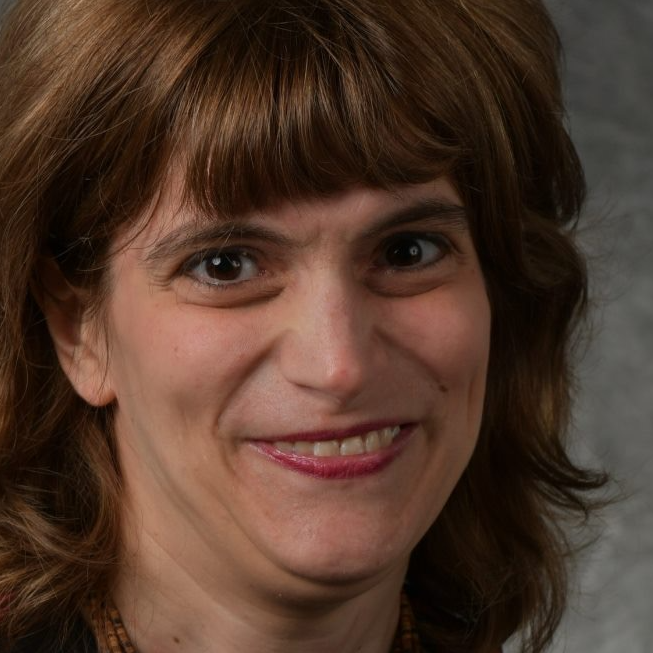
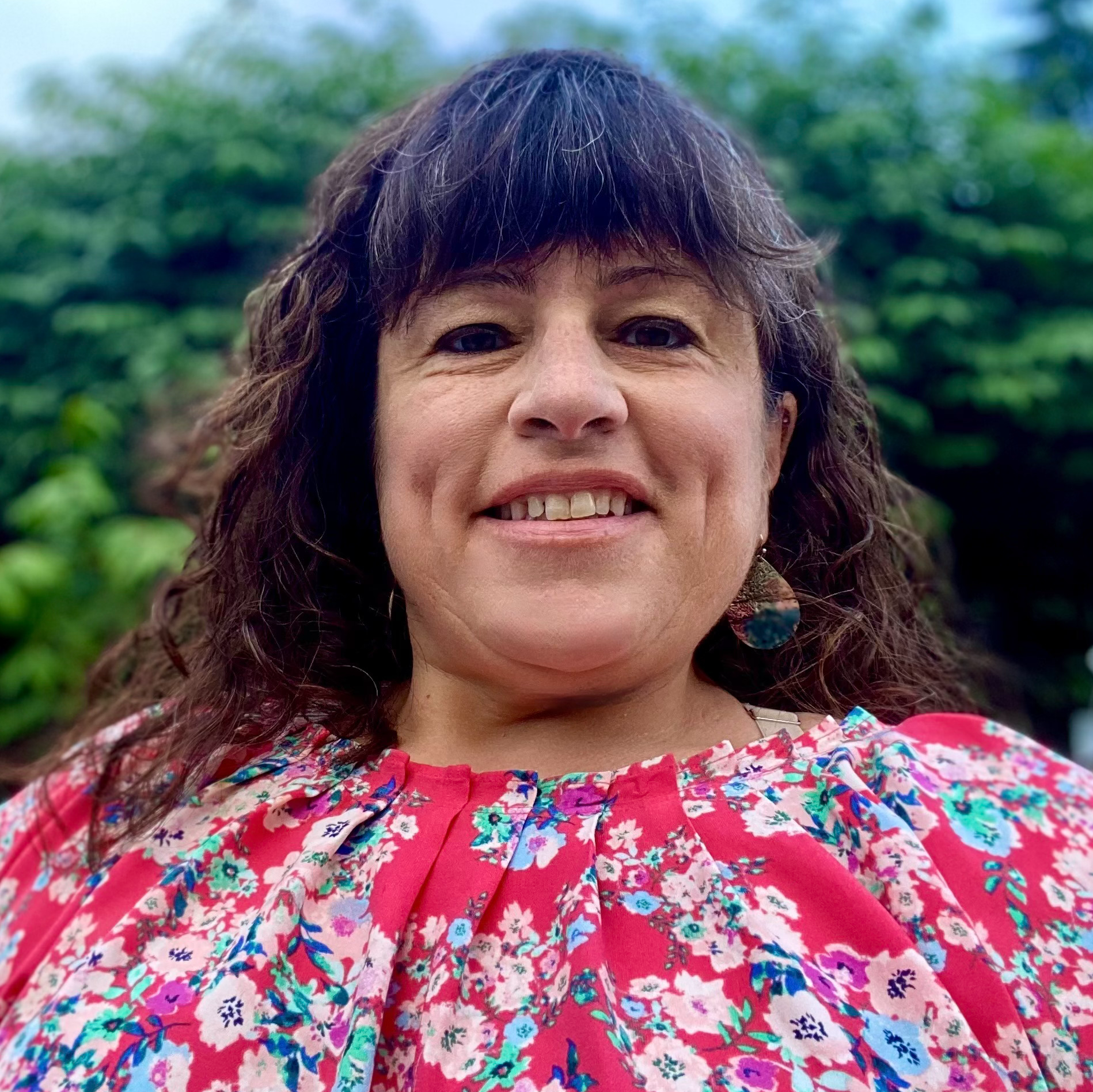
Erin Liebich, Psy.D., is a licensed clinical psychologist and the owner and clinical director of Center for Personal Growth, PLLC in Carol Stream, IL. She identifies as a proud, disabled woman. Her group private practice specializes in disability- and gender-affirming care. Dr. Liebich integrates her clinical expertise with advocacy, ensuring accessible mental health services for marginalized communities. She is the current chair-elect of APA CSOGD, where she actively contributes to advancing understanding of gender and sexual diversity. Additionally, as the chair of the APA Division 35 Womxn and Disability Committee, she leads initiatives to address the intersectional needs of womxn with disabilities. Dr. Liebich is dedicated to advancing diversity and social justice in education and clinical care. She offers internship and practicum placements at her practice with goal of offering inclusive and affirming training to students from diverse backgrounds.
Dr. Elizabeth Scriven, Psy.D., LP, SUDP, CRC, is a licensed psychologist in the State of Washington. She currently works as a clinical supervisor/clinician in a community mental health setting as well as a college instructor. She has worked in the mental health field since 2012 serving people of different ages, abilities, and backgrounds in a variety of settings including hospital rehabilitation, outpatient clinics, and community mental health. Dr. Scriven, who identifies as Disabled, is also a passionate advocate on disability issues such as inclusion/equity, identifying societal and internalized ableism, accessibility, access to mental/physical health care, and barriers to employment and higher education. She has done seminars and trainings on these topics for APA, The National Psychology Training Consortium, Washington Mental Health Summit, The Re-Imagining Behavioral Health: Race, Equity & Social Justice Conference and others.
Dr. Kelly Deragon PsyD is a clinical psychologist, with special interest in health and rehabilitation psychology. She currently works in private practice and is a strong advocate for mental health awareness. Dr. Deragon serves as secretary of the Womxn and Disability Committee for Division 35 and is a DMP mentor for APA. She is passionate about creating more inclusive environments for those with disabilities and helping individuals develop their disability identity.

Financially Sponsored By

  • APA Division 35