Open help menu

Pricing

Information

Date & Time

Learning Objectives

Participants will be able to:

  • Describe the current capabilities, limits, and existing evidence base of AI and LLMs as they relate to the behavioral health and counseling fields.

  • Evaluate the ethical, clinical, and practical considerations of AI integration in their counseling day-to-day efforts.

  • Develop and apply a framework for the responsible and ethical implementation of AI and its usage in a way that is person-centered and trauma-informed.

Educational Goal

The educational goal of this workshop is for attendees to learn about Artificial Intelligence (AI) and Large Language Models (LLMs) as they relate to mental health and counseling. Attendees will be equipped to evaluate ethical, clinical, and practical implementation of AI integration in their counseling day-to-day efforts as well as its usage in a way that is person-centered and trauma-informed.

Description

Artificial Intelligences (AI) and large language models (LLMs) are becoming transformative forces in counseling, not to mention many professional spaces. This presentation will explore the evolution of AI tools with a focus on the more well-known LLM's and examine their emerging role as evidence-based supports for clinical decision making, documentation, psychoeducation, treatment planning, and counselor training. Presenters will review current research, ethical considerations, as well as how to practically apply AI in the behavioral health setting. Participants will be aided in gaining a framework for evaluation, implementation, and responsible integration of AI with the goal of enhancing clinical efficacy while staying person-centered, trauma-informed, and ethical in one's own practice. By establishing a framework, we will also be able to work towards not only evidence-based best practices for LLM implementation but also evidence-based practices for LLM utilization.

Target Audience

  • Addiction Professional
  • Counselor
  • Marriage & Family Therapist
  • Psychologist
  • Social Worker

Presenters

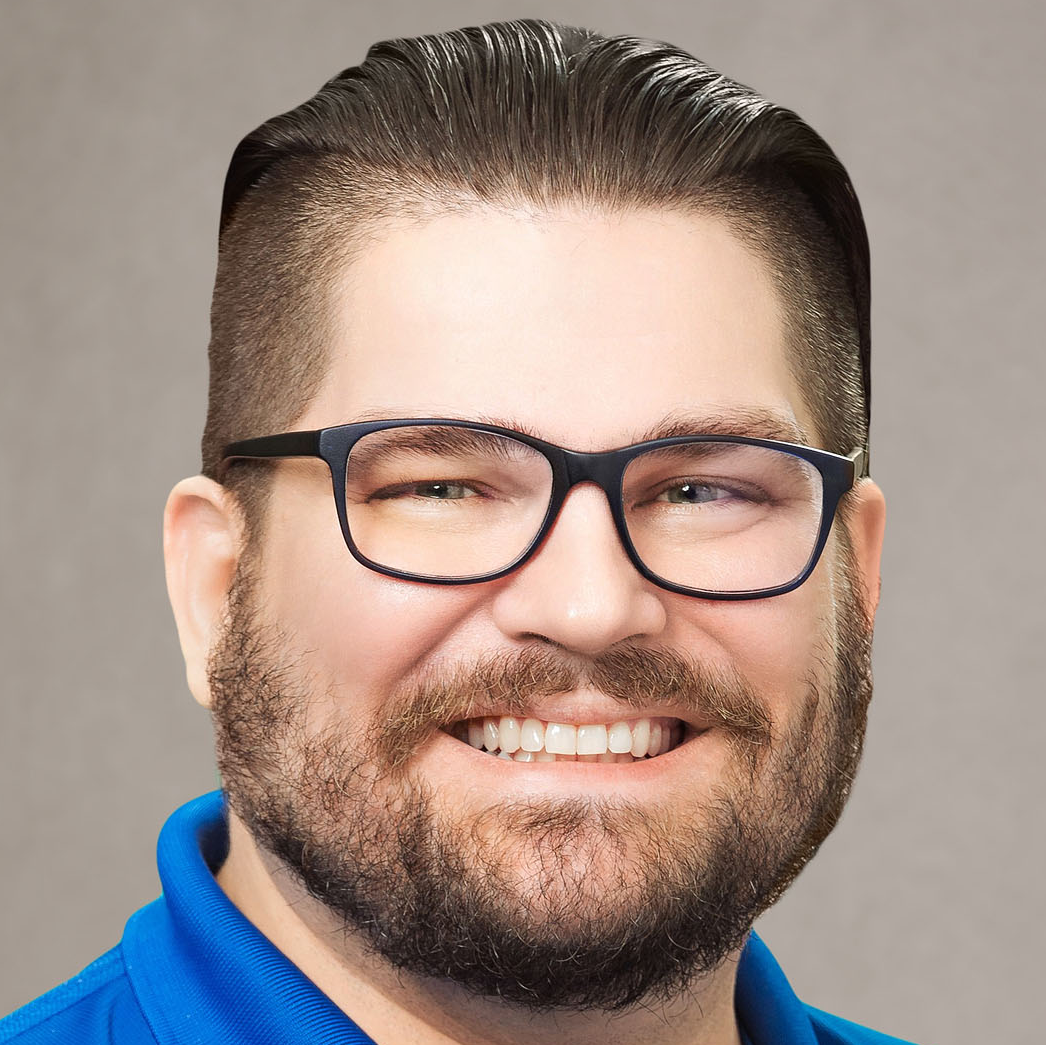
Gerrimy Keiffer, MSW,CSW has been involved in social work for 15 years. He is experienced in several different facets of emerging topics of social work and counseling, namely, video and internet gaming addiction, communication, and disordered gaming. He is the Director of Community Health Evaluations with RiverValley Behavioral Health, an adjunct professor of social work with Brescia University, and the external mental health consultant with Project RICOCHET in Lexington.
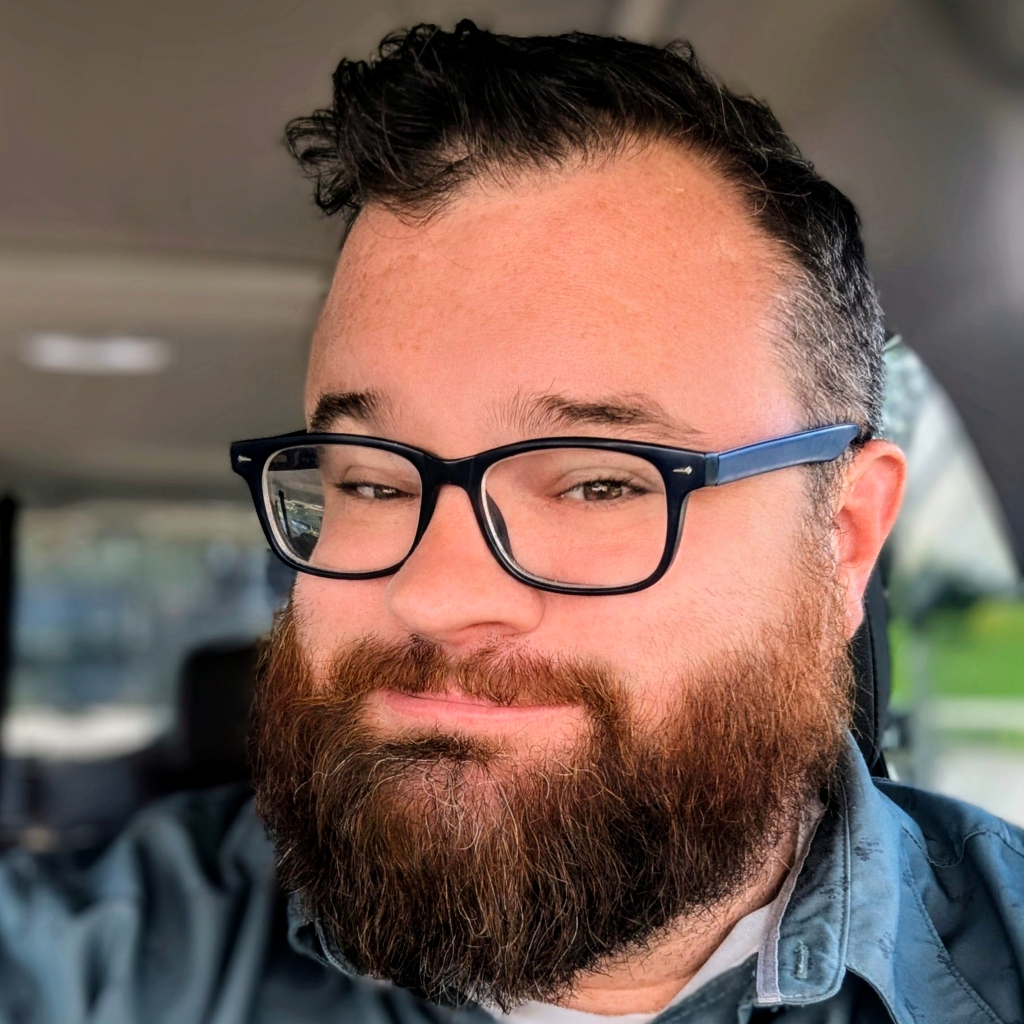
Dr. Keith Miller (he/they), MSW, Ph.D., serves as Assistant Professor and MSW Program Director at the University of Indianapolis in the Phylis Lan Lin School of Social Work and Counseling. Grounded in social epidemiology and social capital frameworks, Dr. Miller’s work bridges clinical practice, community-engaged research, and educational technology to promote health equity. He co-founded Pathway LLC to increase mental health access in Central Indiana and has extensively consulted with state and regional organizations on behavioral health policy, data analysis, and program evaluation. In higher education, Dr. Miller emphasizes liberatory pedagogy and innovative instructional design. He established UIndy’s High-Impact Hybrid Immersion MSW format and actively leads initiatives through the university’s AI Faculty Extenders program, delivering research and training on the ethical integration of AI and LLMs in academic and clinical settings. Dr. Miller holds an MSW and a Ph.D. in Social Work from the Indiana University School of Social Work. His overarching mission is to cultivate community belonging and health equity through relationship, creative innovation, and science.