Open help menu

Pricing

Information

Date & Time

Learning Objectives

Participants will be able to:

  • Describe the significant differences between licensure board complaints and criminal and civil lawsuits.

  • Identify the limitations of relying solely on insurance providers and legal counsel for professional license defense and describe additional risk-management strategies counselors can use to protect their licenses.

  • Summarize the potential professional and legal implications of settling a licensure board complaint.

Educational Goal

The educational goal of this workshop is for attendees to distinguish between between licensure board complaints and criminal and civil lawsuits. They will learn what support they need when defending their license and the implications of settling a licensure board complaint.

Description

A counselor’s license is one’s livelihood, and its protection is paramount. A counselor’s practice and conduct are expected to be safe, competent, ethical, and compliant with applicable laws and rules. Each State Board of Professional Counselors serves to protect the public by monitoring licensees and holding them accountable to professional practice requirements. When a complaint is asserted against a counselor to the Board, the counselor must be equipped with knowledge and resources to defend themselves adequately. Being unprepared may represent the difference between a counselor retaining or losing their license.

Target Audience

  • Addiction Professional
  • Counselor
  • Marriage & Family Therapist
  • Psychologist
  • Social Worker

Presenters

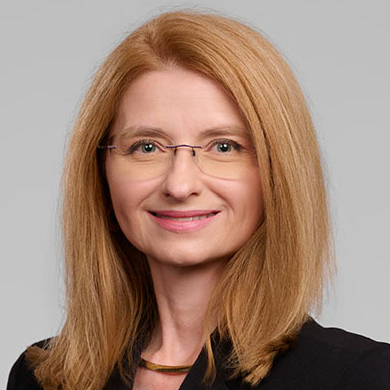
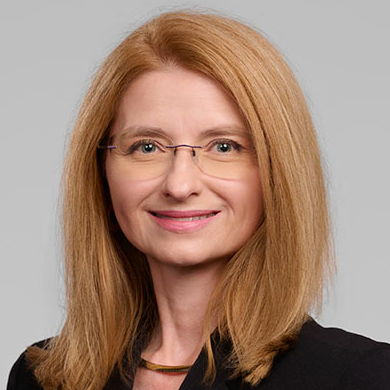
STEPHANIE T. BURNS, Ph.D., LPC, NCC, is an Associate Professor of Counselor Education and Supervision at a large Midwestern university with over 18 years of clinical experience as a Licensed Professional Counselor who provides supervision. In addition to teaching master’s and doctoral students about the legal and ethical aspects of clinical counseling practice, she has presented on the legal and ethical aspects of clinical counseling practice regularly over the past 11 years. She has assisted counselors in responding to licensure board complaints and in litigation as an expert witness for 12 years. She has provided forensic psychological mental health evaluations for court cases for judges and attorneys as well as psychological mental health evaluations for State Vocational Bureaus, K-12 schools, employers, and mental health clients for over 14 years. She has authored over 20 peer-reviewed journal articles, seven of which and two book chapters have focused on counselor ethics. She has published and worked with clients in the areas of trauma and stress responses, guilt and shame responses, workplace mistreatment, neurofeedback, biofeedback, ethical decision-making, counseling outcomes, program evaluation, the psychometrics of career interest inventories, counselor professional identity, and supervision.