Open help menu
Live Webinar

Beyond Discharge: Aftercare & Sustaining Recovery from Substance Use Disorders

|

Information

Date & Time

Learning Objectives

Participants will be able to:

  • Explain at least 5 ways how digital alumni engagement platforms improve outcomes and reduce relapses.

  • Differentiate between primary treatment and aftercare/continuing care.

  • Identify 5 key components of effective aftercare planning.

  • Evaluate the role of 12-step programs, family therapy, and community supports.

  • Apply aftercare planning strategies in clinical practice.

  • Describe at least 3 relapse risks within the first 90 days post-discharge.

Educational Goal

The educational goal of this workshop is to increase clinician competency in developing and coordinating effective aftercare plans that support long-term recovery from substance use disorders. Participants will learn how continuing care interventions - including peer support, family involvement, and digital recovery engagement - reduce relapse risk and improve recovery outcomes following discharge from treatment.

Description

Beyond Discharge: The Critical Role of Aftercare in Sustaining Recovery from Substance Use Disorders is a one-hour clinical training designed for behavioral health professionals working with individuals recovering from substance use disorders (SUDs). This workshop examines the critical transition from primary treatment to long-term recovery support and highlights why aftercare is an essential component of sustained sobriety rather than an optional service. Participants will review relapse risks during the first 30–90 days post-discharge, identify evidence-based components of effective aftercare planning, and explore the role of peer support, family therapy, case management, and relapse prevention strategies. The training also introduces emerging digital alumni engagement platforms and examines how technology-based recovery supports can improve accountability, connection, and long-term outcomes. Through clinical discussion and case application, participants will gain practical strategies for integrating comprehensive aftercare planning into routine practice.

Target Audience

  • Addiction Professional
  • Counselor
  • Marriage & Family Therapist
  • Psychologist
  • Social Worker

Presenters

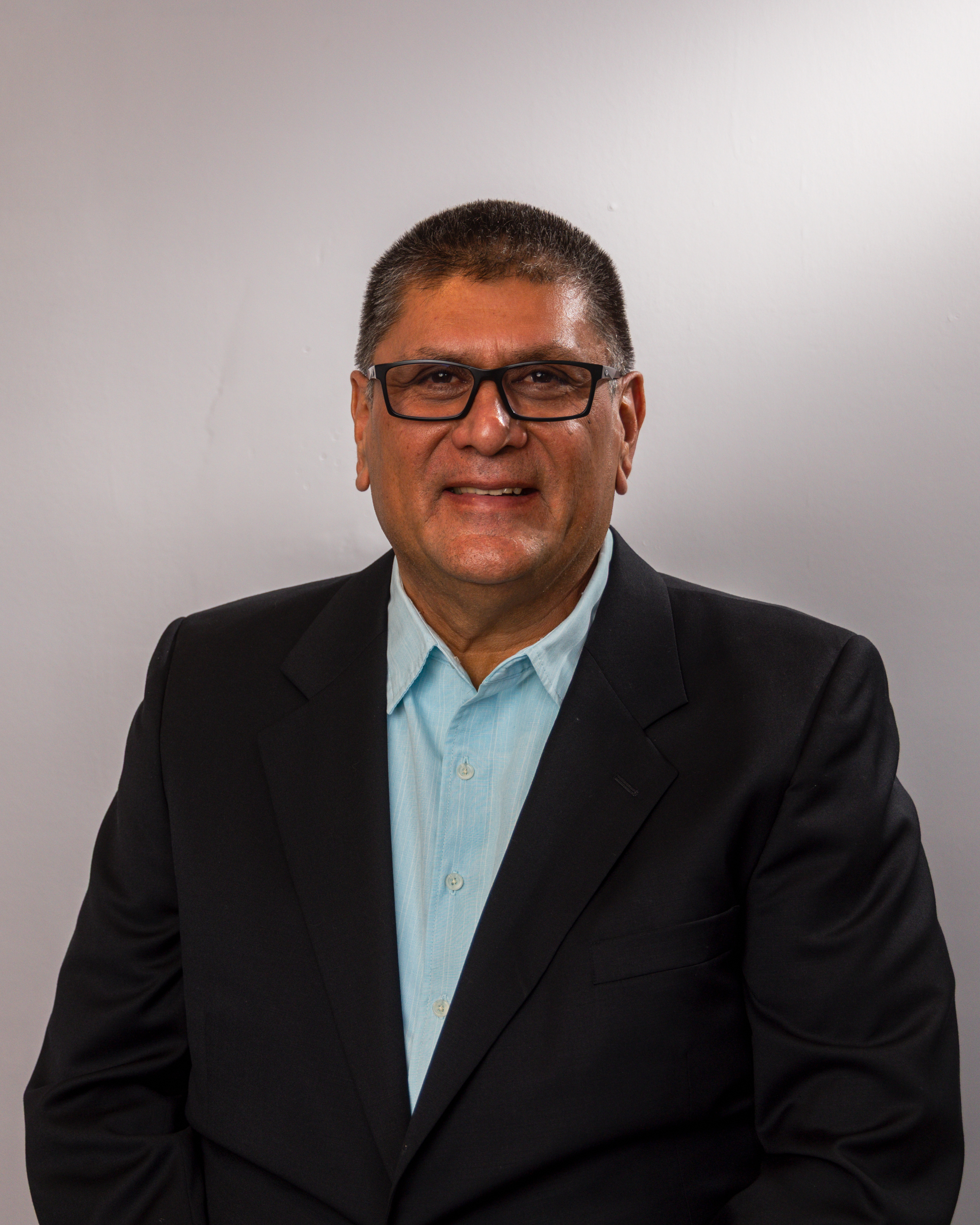
Edward Alvo, LMFT, began his career in behavioral health at the age of 45 after enrolling in the Addiction Studies Program at East Los Angeles College. What started as a single class led to a master's degree in Psychology and a 15-year career in addiction and mental health services. Over the course of his career, Eddie has advanced from driver to counselor to program leadership, managing PHP, IOP, RTC, and family therapy programs. His work is grounded in Cognitive Behavioral Therapy (CBT) and solution-focused care. In addition to his clinical and leadership roles, he serves as an adjunct professor at East Los Angeles College. With 15 years of sobriety, Eddie brings lived experience, empathy, and deep gratitude to the work he does
Camille Parsons, B.S., CADC II, ICADC
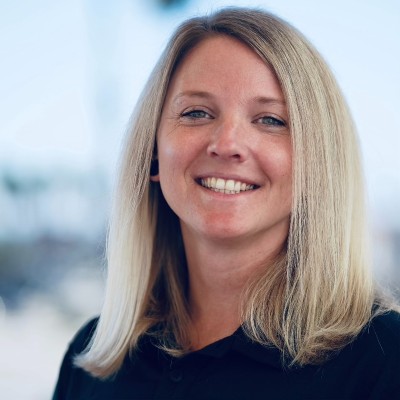
Camille Parsons, B.S., CADC II, ICADC, has nearly a decade of experience in the behavioral health field. Camille is dedicated to advancing mental health and addiction recovery through relationship-driven care, alumni engagement, and community collaboration. She holds a Bachelor of Science in Business Entrepreneurship from Western Carolina University (2012) and an Associate of Science in Alcohol and Other Drug Studies (AODS) from San Diego City College (2022). She is also credentialed as a Certified Alcohol and Drug Counselor II (CADC II) through CCAPP. Since entering the behavioral health industry in 2016, Camille has developed a strong reputation for building meaningful relationships with diverse populations and facilitating successful client transitions through personalized case management, community outreach, and strategic B2B partnerships. Her extensive network of behavioral health providers and recovery resources throughout California enables her to connect clients and alumni with the support they need to sustain long-term recovery. Passionate about creating supportive and inclusive recovery communities, Camille specializes in developing and managing comprehensive alumni programs that encourage ongoing engagement, accountability, and personal growth. By coordinating alumni meetings, community events, and recovery-focused initiatives, she strives to strengthen recovery capital, reduce the risk of relapse or mental health decompensation, and create lasting opportunities for connection and healing.

Financially Sponsored By

  • Emend Healthcare