Attachment Wounds at the Root: Deep Brain Reorienting and the Trauma Ecology Integration Model™ (TEIM™)
Attachment Wounds at the Root: Deep Brain Reorienting and the Trauma Ecology Integration Model™ (TEIM™)
Information
PLEASE NOTE:
Please arrive on time to receive your full 2.5 CE hours.
Date & Time
-
-
 Google
 Outlook.com
 Yahoo
Yahoo
Location
-
Jamaica Bay Inn
4175 Admiralty Way
Marina del Rey, California 90292
Description
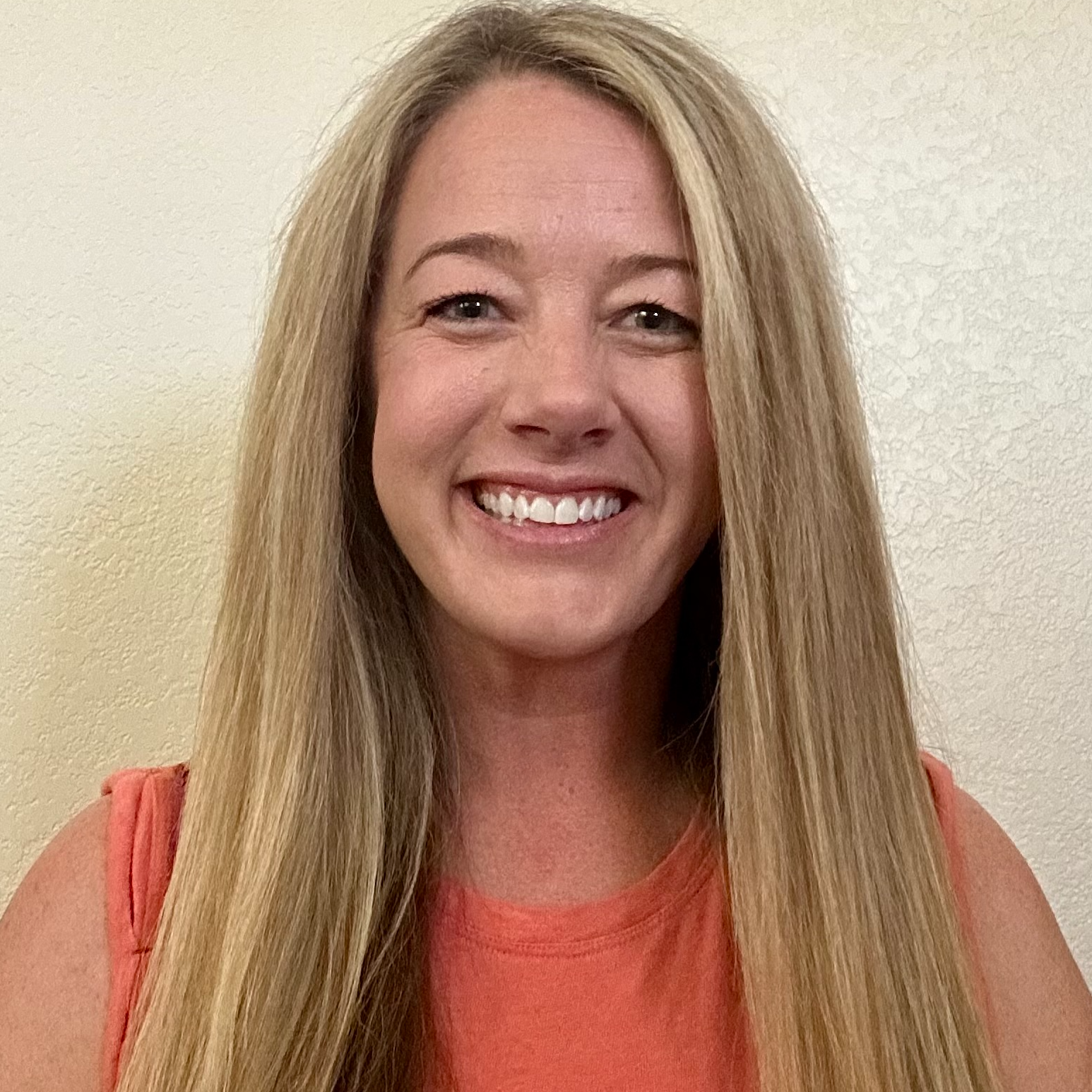
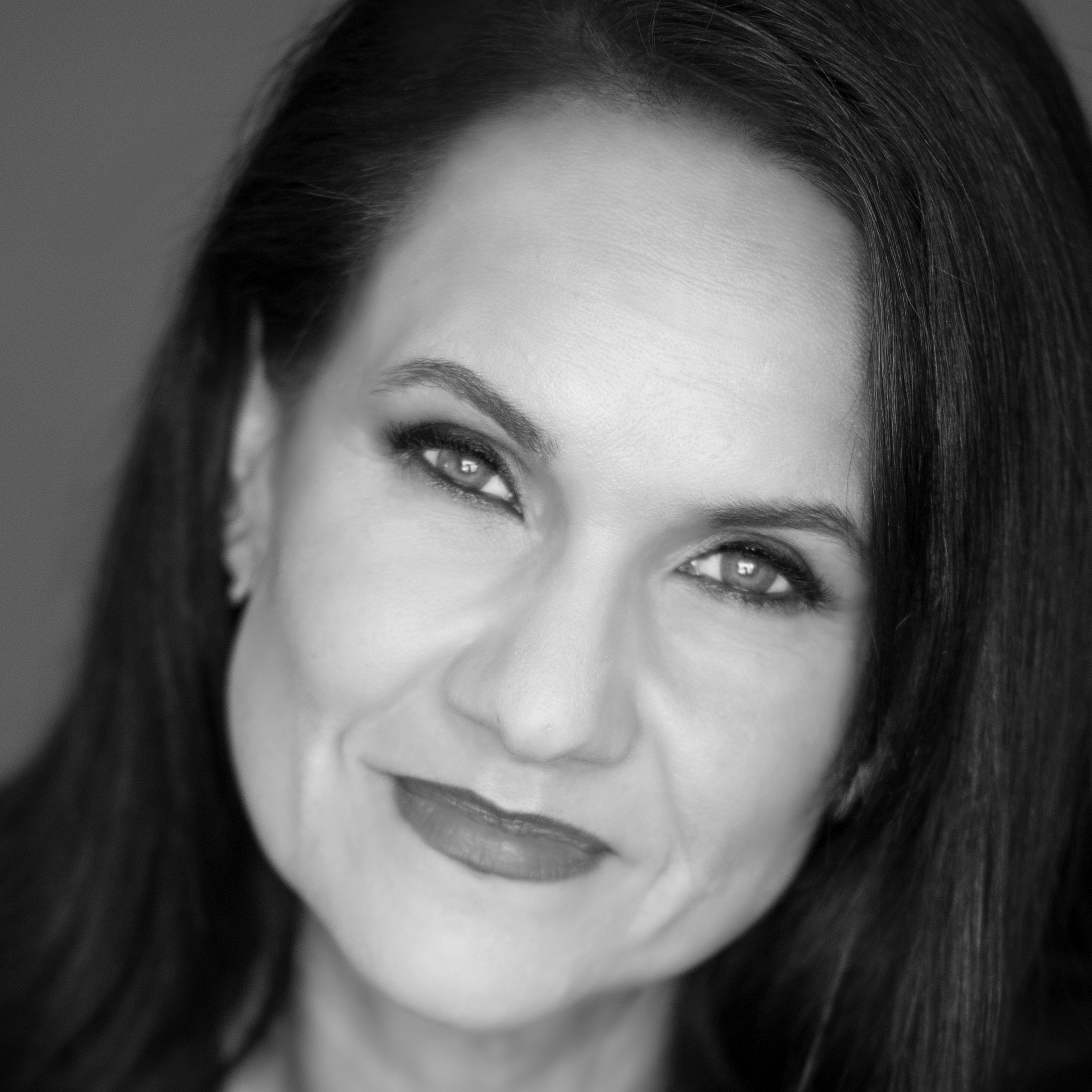
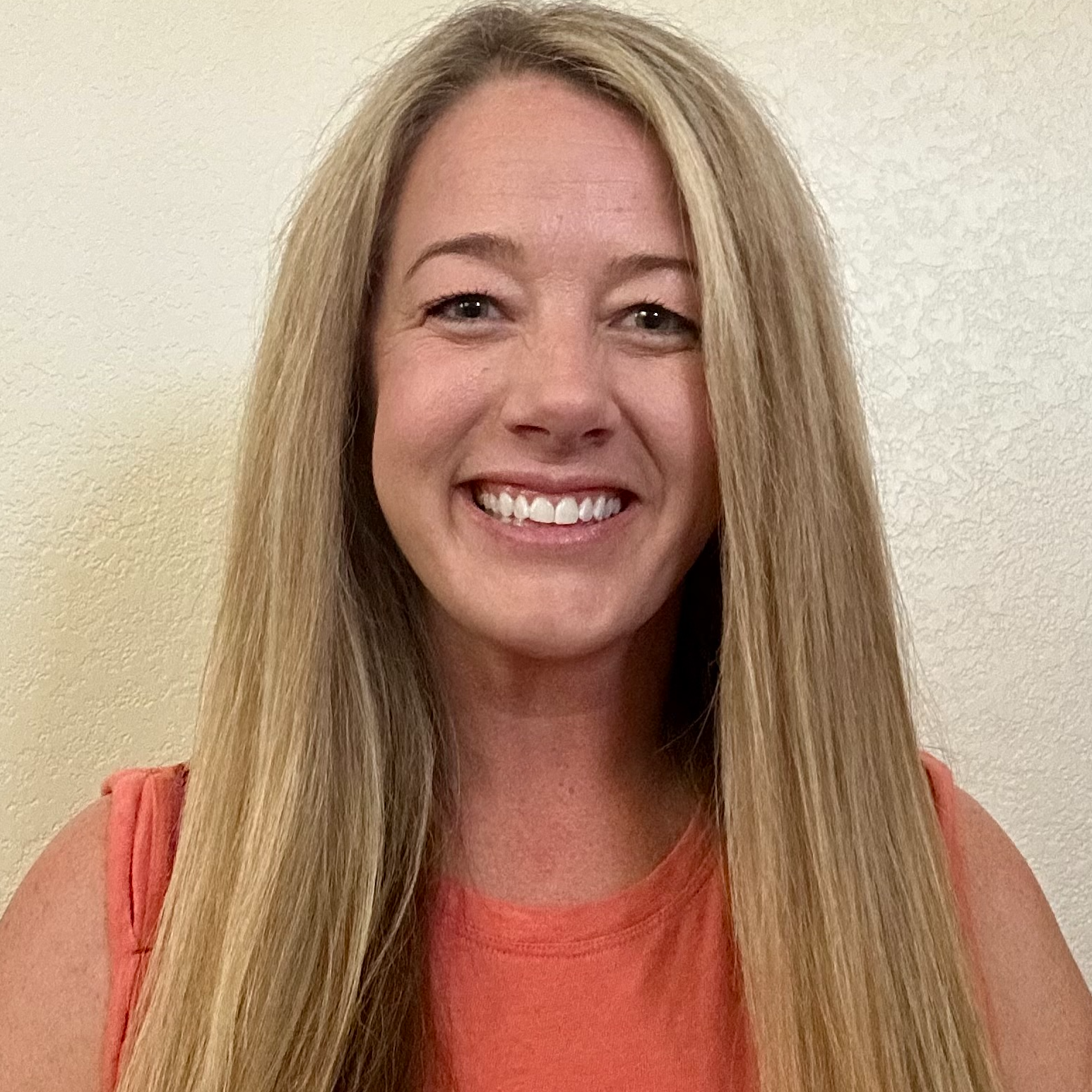
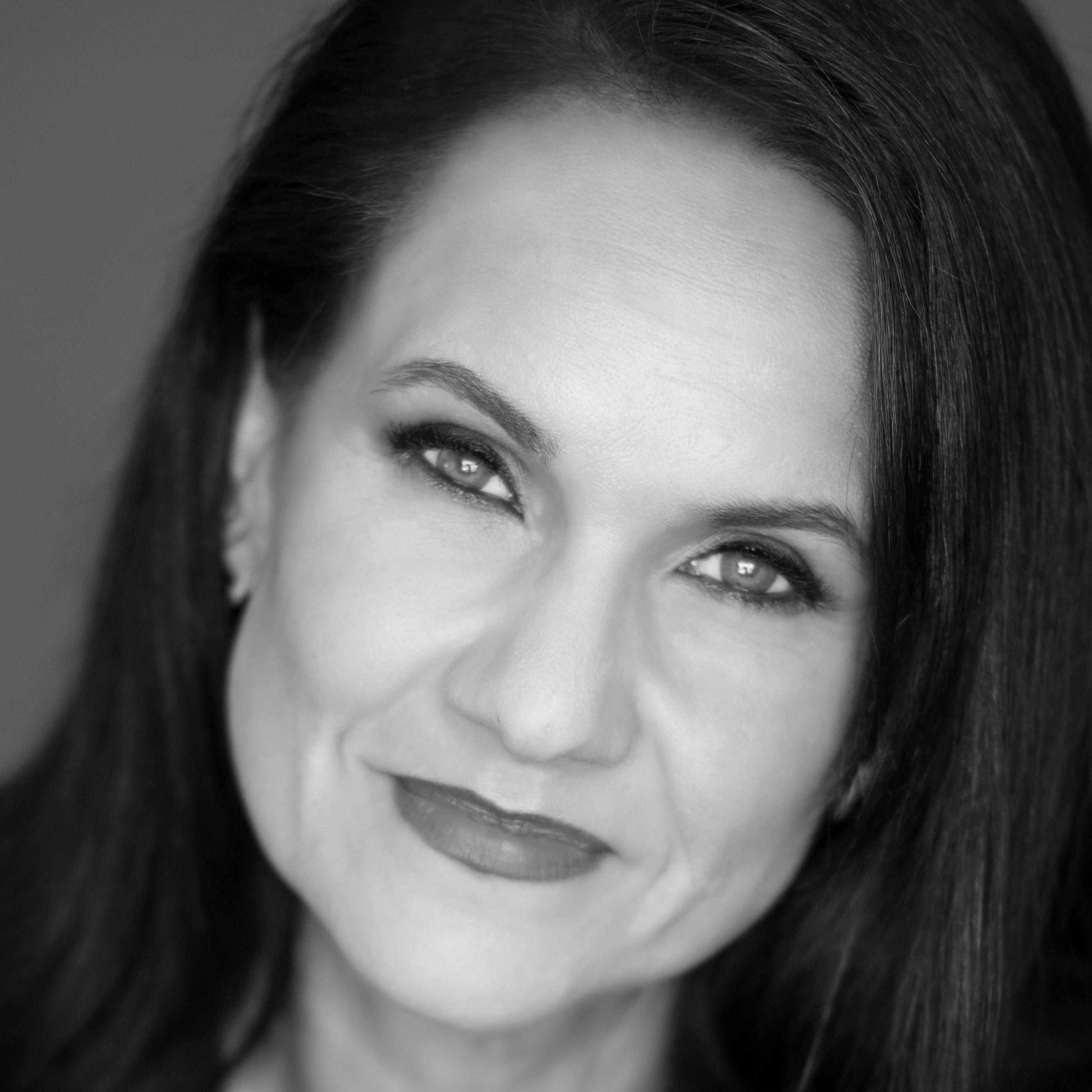
Traditional trauma approaches often emphasize cognitive and behavioral strategies while overlooking the body's implicit, neurobiological memory of relational trauma. This workshop bridges established attachment theory with cutting-edge, neuroscience-informed interventions that target the deep brain—the subcortical engine of safety, regulation, and connection. Susan Love, LPC, EMDR, will introduce Deep Brain Reorienting (DBR) as a tool for addressing the physiological and emotional dimensions of attachment wounding, while Dr. Georgina Smith will present her Trauma Ecology Integration Model™ (TEIM™), a framework that understands trauma as a dynamic process shaped by somatic, relational, systemic, and temporal factors. Participants will gain foundational knowledge to move beyond talk therapy and help clients achieve genuine safety, connection, and integration.
Educational Goal
Learning Objectives
Participants will be able to:
-
Examine key principles of attachment theory and Deirdre Fay’s Fundamental Needs framework to gain an understanding of attachment wounding.
-
Describe the basic neurobiology of the deep brain, including how subcortical structures and contribute to attachment, regulation, and defensive responses.
-
Explain how attachment wounding manifests in physiological and emotional symptoms related to disrupted safety and connection.
-
Explain how Deep Brain Reorienting (DBR) addresses implicit, subcortical patterns associated with attachment trauma to promote integration and resolution.
-
Describe and define the theoretical foundations and core components of the Trauma Ecology Integration Model™ (TEIM™) and distinguish it from traditional trauma models.
-
Explain how the core components of the Trauma Ecology Integration Model™ (TEIM™) interact across the three orbit layers to shape trauma activation and response.
-
Apply introductory Orbit Mapping techniques to clinical case conceptualization in order to identify multiple, ethically appropriate points of intervention.
Target Audience
- Addiction Professional
- Counselor
- Marriage & Family Therapist
- Psychologist
- Social Worker
Presenters
Financially Sponsored By
- Sabino Recovery
- Revolve Recovery