Open help menu
Live Webinar

Behavioral Health Conversation Maps: Template for Excellence

|

Pricing

Information

Date & Time

Learning Objectives

Participants will be able to:

  • Demonstrate how conversation maps advance quality case management practice.

  • Apply the seven phases and dedicated prompts of Case Management’s (CM) Behavioral Health Conversation Maps to attendee population and practice setting.

  • Articulate how CM's Behavioral Health Conversation Maps heed case management’s established resources of ethical, legal, and regulatory guidance.

Educational Goal

The educational goal of this workshop is to strengthen case managers’ ability to use behavioral health conversation maps as a practical framework for consistent, ethical, and quality-driven communication with patients, families, and care teams. Through the seven-phase model, participants will learn to apply structured prompts that support assessment, engagement, care coordination, and alignment with professional standards across practice settings.

Description

Professional screening, assessment, and communication of care delivery are essential elements of successful case management. However, inconsistent education, training, and onboarding mean that case managers inconsistently learn this skill. The rising prevalence of behavioral health finds case managers in challenging conversations with patients, families, and care teams. Mishandled dialogues increase quality missteps, contributing to delays in care and emotional stress for the workforce, as well as their patients and families. Enter Case Management’s Behavioral Health Conversation Maps!

This universal template of seven phases guides coordination of care for patients with complex chronic illness and behavioral health conditions. Aligned with the case management process and industry quality measures, each phase includes hands-on prompts for use in any setting. This session will empower every case manager’s interventions with this population from clinical engagement, screening and assessment to ethical and regulatory practices. Professional power will leveraged to the max.

Target Audience

  • Addiction Professional
  • Counselor
  • Marriage & Family Therapist
  • Nurse
  • Physician
  • Psychologist
  • Social Worker

Presenters

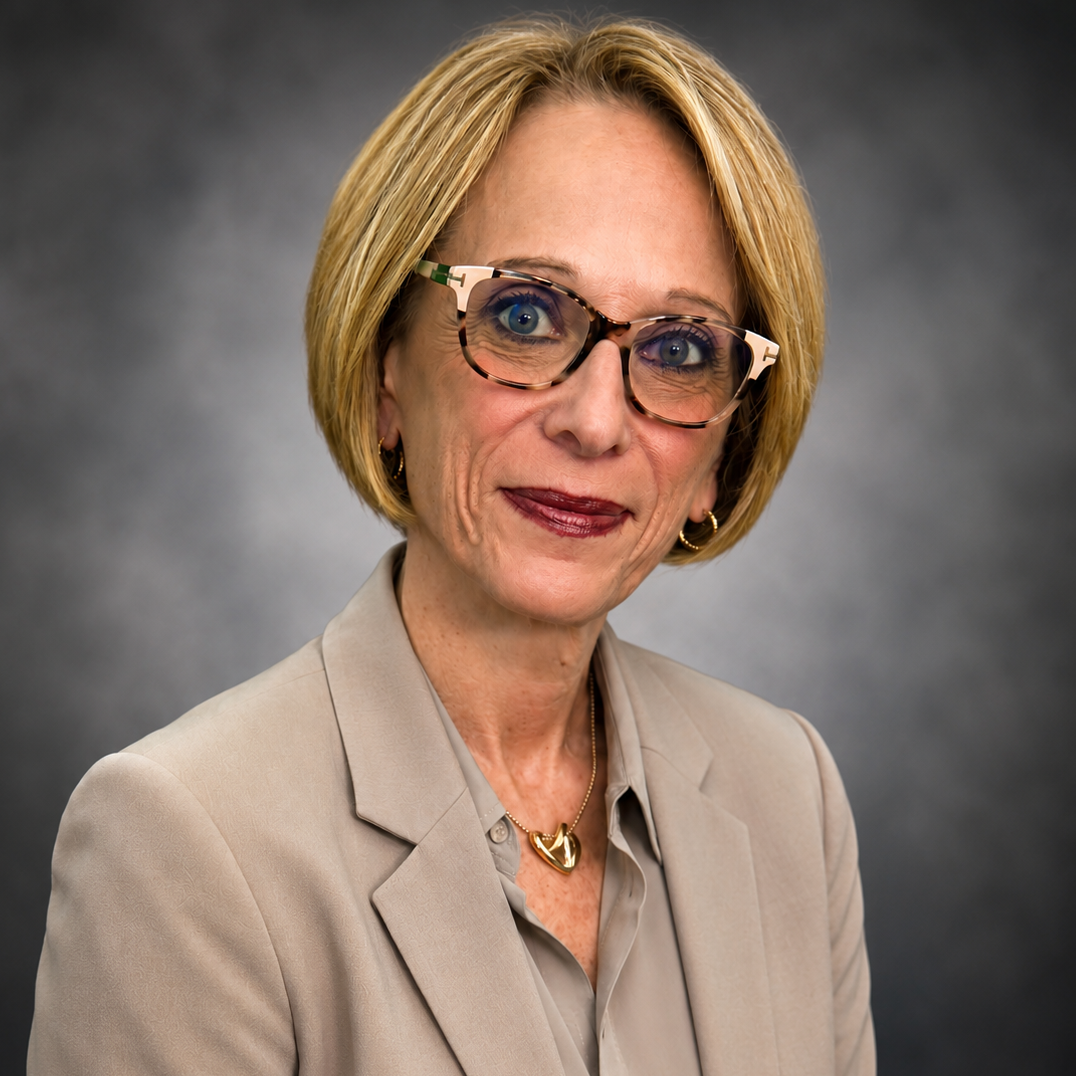
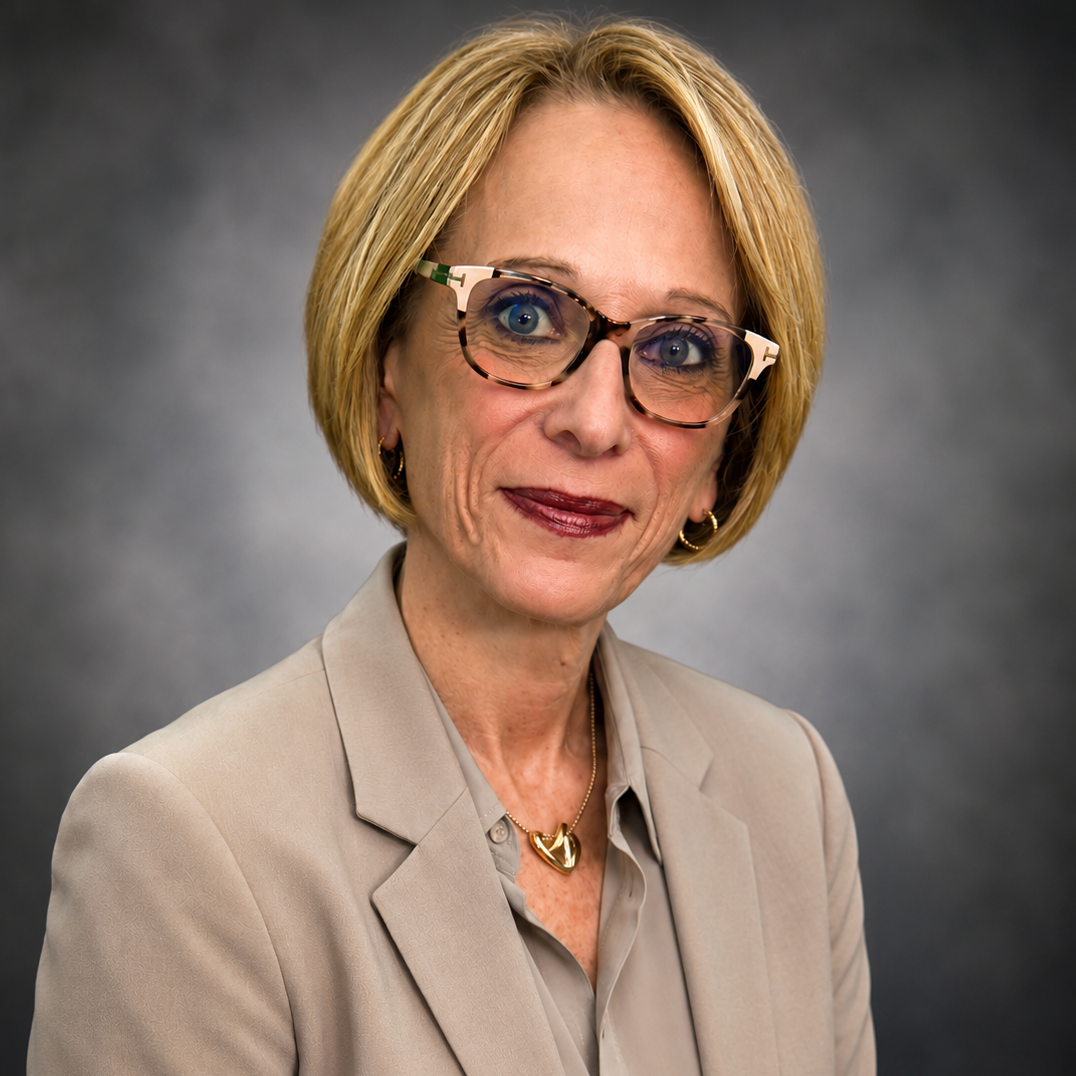
Dr. Ellen Fink-Samnick is an award-winning author, educator, and researcher who empowers healthcare's interprofessional workforce. She is well-known for her innovative focus on ethics, integrated care, interprofessional teams, professional case management, quality, and trauma-directed practice. Dr. Fink-Samnick has authored 7 scholarly textbooks, over 100 articles, and assorted book chapters and industry position papers on varied dimensions of case management practice. Dr. Fink-Samnick is a faculty member and academic advisor for the Doctoral Program at Cummings Graduate Institute of Behavioral Health studies, where she is also the school’s Culminating Project Lead. Recent award acknowledgements include: • The Case Management Society of America (CMSA): o 2025 Case Manager of the Year Award o 2025 CMSA Foundation Research Award (with colleagues) for the project, Professional Identity in Case Management: Exploring Case Manager’s Perceptions & Looking Forward o 2016 Award of Service Excellence • The National Association of Social Workers for Virginia (NASW of VA) o 2025 Lifetime Achievement Award o 2022 Social Worker of the Year • University of Buffalo School of Social Work: o 2017 Distinguished MSW Alumni Award Dr. Fink-Samnick has a wide social media footprint as moderator of Ellen’s Ethical Lens on LinkedIn and author of the blog, Ellen’s Interprofessional Insights. She is a department editor for Wolters Kluwer’s scholarly journal, Professional Case Management and a long-standing member of the journal’s editorial advisory board. Dr. Fink-Samnick actively shares her expertise across industry professional associations and initiatives including the American Health Information Management Association’s Data for Better Health project, the Case Management Society of America, the International Federation of Integrated Care, the National Transitions of Care Coalition, the Post-Acute Wound Care and Education Council, and The Gravity Project. She has a Doctorate in Behavioral Health with specialization in integrated care, quality, leadership, and trauma-informed practice. Dr. Fink-Samnick is a licensed clinical social worker, board-certified case manager, and certified clinical trauma professional. She is a Fellow in Case Management through the Case Management Society of America (CMSA) and member of the academic honor society, Delta Epsilon Tau.

Financially Sponsored By

  • Case Management Society of America