Open help menu
Live Webinar
AI in Mental Health: Essential Skills

AI-ASK: Safety, Risk, and Epistemic Trust - Managing High Risk AI Use

|

Pricing

Information

Date & Time

Description

Participants will enhance their clinical capacity to assess and respond to safety risks (namely suicide and psychosis) in patient AI use by identifying disruptions in relational and informational security and applying AI‑ASK‑informed interventions that support reflective functioning.

Educational Goal

The educational goal of this session is to equip clinicians with the assessment tools and AI-ASK strategies needed to identify and mitigate safety risks associated with patient conversational AI use.

Learning Objectives

Participants will be able to:

  • Describe at least two ways patient use of conversational AI can compromise safety, including disruptions to relational and informational security across a continuum of use.

  • Identify high-risk and emerging risk patterns of patient AI use, including scenarios involving suicide risk, psychosis, and maladaptive belief reinforcement.

  • Apply AI‑ASK strategies (Security and Attunement) to assess and respond to AI-related safety concerns in clinical practice.

Target Audience

  • Addiction Professional
  • Counselor
  • Marriage & Family Therapist
  • Psychologist
  • Social Worker

Presenters

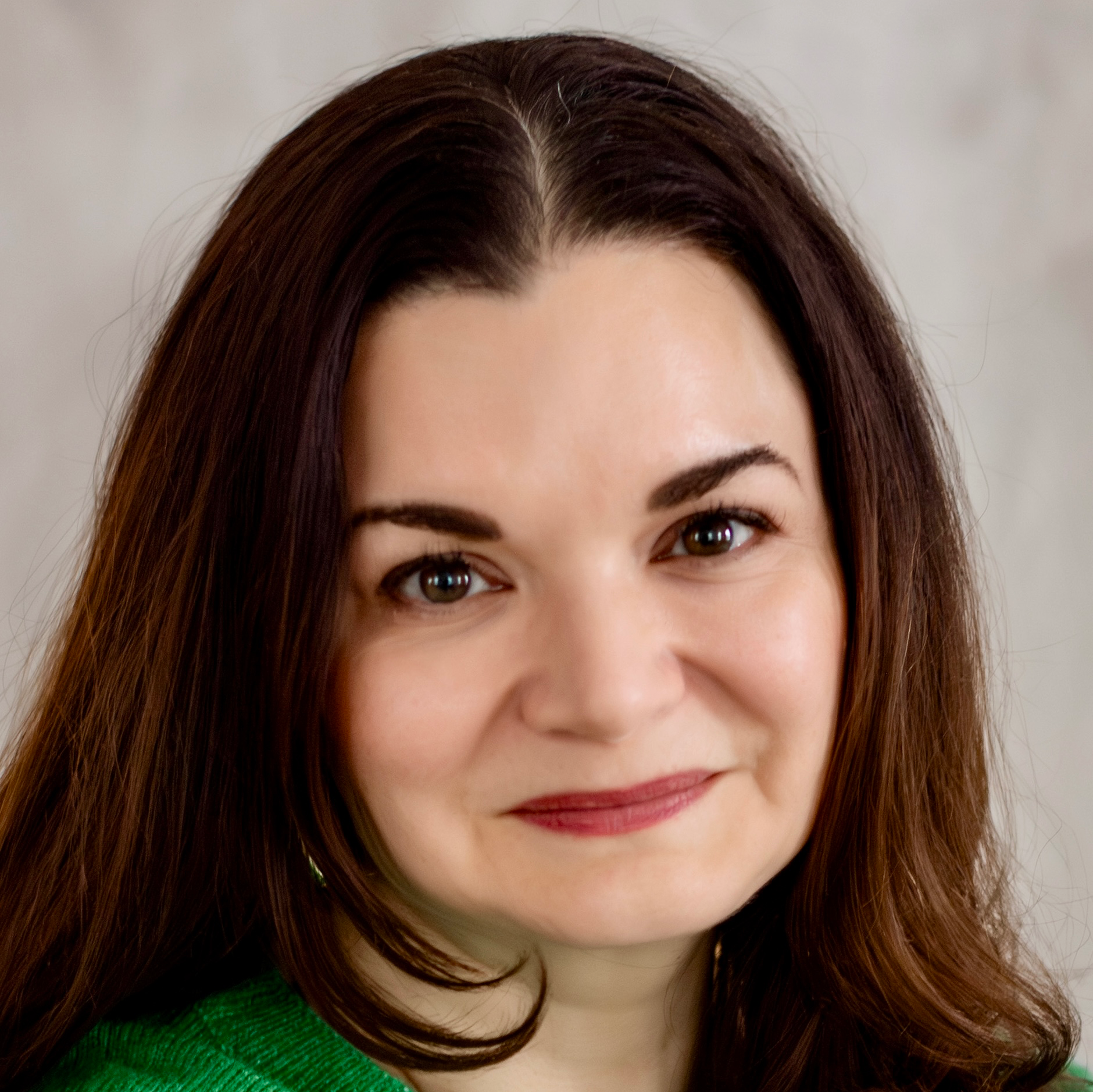
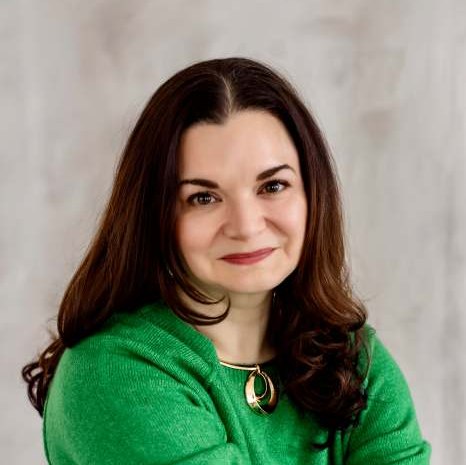
Dr. Pachan is a clinical psychologist and AI expert who specializes in assessing and addressing the impact of patient AI usage.
Michael Groat, PhD, president and CEO of the Lindner Center of Hope, has a 18-year career of leadership in nationally ranked hospital, residential, and outpatient treatment programs that provide evidence-based treatment services for adolescents and adults. He is the former CEO of CooperRiis, and was the Chief Clinical Officer of Silver Hill Hospital. He also previously served as Director of Adult Services at the Menninger Clinic, and directed the Menninger Professionals and Executives Program. Dr. Groat completed a four-year postdoctoral fellowship in the treatment of treatment refractory personality disorders and other mental disorders at the Austen Riggs Center. He is Associate Clinical Professor of Psychiatry and Behavioral Neuroscience at the University of Cincinnati College of Medicine. Dr. Groat has lectured widely on topics related to psychotherapeutic treatments, acute and intermediate levels of care, suicide prevention, personality assessment, the loneliness epidemic and recovery.