Open help menu
Live Webinar

AI in Mental Health: Essential Skills

, + 4 additional dates

Pricing

Information

ATTENTION!

Please visit the schedule tab ^ to review each module in detail

This course meets Association of State and Provincial Psychology Boards (ASPPB) E. Passport telepsychology CE requirements.

Date & Time

Description

AI is already in the therapy room. Are you ready to practice alongside it? This five-part series introduces the AI-ASK framework and equips mental health professionals with a clear, clinically grounded method for assessing patient AI use, understanding technological innovations, navigating risk, protecting confidentiality, preserving clinical judgment, applications to teletherapy, and exploring the future of psychotherapy. Special attention will be paid to ethical responsibilities in professional care, including the values of patient autonomy, clinical beneficence, and non-maleficence through discussions of freedom and privacy to support a balanced approach to AI benefits and risks. Featuring guest commentary from leading voices across psychiatry, psychology, ethics, law, and clinical practice, including Todd Essig, PhD, Carl Fleischer, MD, Michael Groat, PhD, Ammara Khalid, PsyD, Sean Perryman, JD, and Rachel Ruiz, LCSW. Each seminar may be take as a standalone workshop, and the full five-part series offers a cumulative learning experience that deepens clinical skills, confidence, and ethical competence for practicing in the age of AI.

Educational Goal

The educational goal of this series is to equip providers with the AI-ASK framework to ethically and clinically integrate AI into practice while upholding patient autonomy, confidentiality, and non-maleficence.

Presenters

Dr. Molly Pachan is a clinical psychologist with specialties in psychodynamic treatment, mentalization and reflective functioning, bipolar disorder care, personality disorders, and treatment of complex comorbid conditions. She holds a dual appointment as a Residential Psychologist at Lindner Center of Hope in Mason, Ohio, as well as Assistant Professor of Psychiatry and Behavioral Neuroscience at University of Cincinnati College of Medicine. Dr. Pachan completed her undergraduate degree at the University of Michigan, her master's and doctoral degrees at Loyola University Chicago, and her predoctoral internship at Cambridge Health Alliance - Harvard Medical School. She has completed advanced postgraduate certificates at Northwestern University, Chicago Center for Psychoanalysis, and the University of Cincinnati. Her academic interests include the role of AI in mental healthcare, personality disorders, lifespan development, and intercultural psychology. Dr. Pachan enjoys writing, speaking, and consulting with organizations on the role of AI in mental healthcare. She is the author of the AI-ASK clinical framework for assessing and addressing patients' AI usage in mental healthcare.
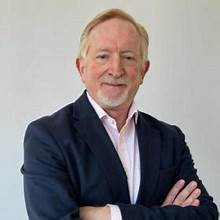
Todd Essig, PhD is a licensed clinical psychologist and a psychoanalyst. His professional activities include psychotherapy, psychoanalysis, supervision, consulting, teaching, and writing. Dr. Essig has served on editorial boards for Contemporary Psychoanalysis and JAPA and recently co-edited with Gillian Isaacs Russell a special issue of Psychoanalytic Perspectives on psychoanalysis and technology. In the aftermath of 9/11 he was Board Chair for the NY Disaster Counseling Coalition (NYDCC) providing free mental health care to first responders and their families. Since March 2020 he has been Co-Chair of the American Psychoanalytic Association’s Covid-19 Advisory Team, and has been awarded Distinguished Service awards by APsaA and the NY State Psychological Association for his efforts. He wrote “Managing Mental Wealth” for Forbes where he covered the intersection of technology, psychology, and culture. He earned his PhD in Psychology from The New School for Social Research.
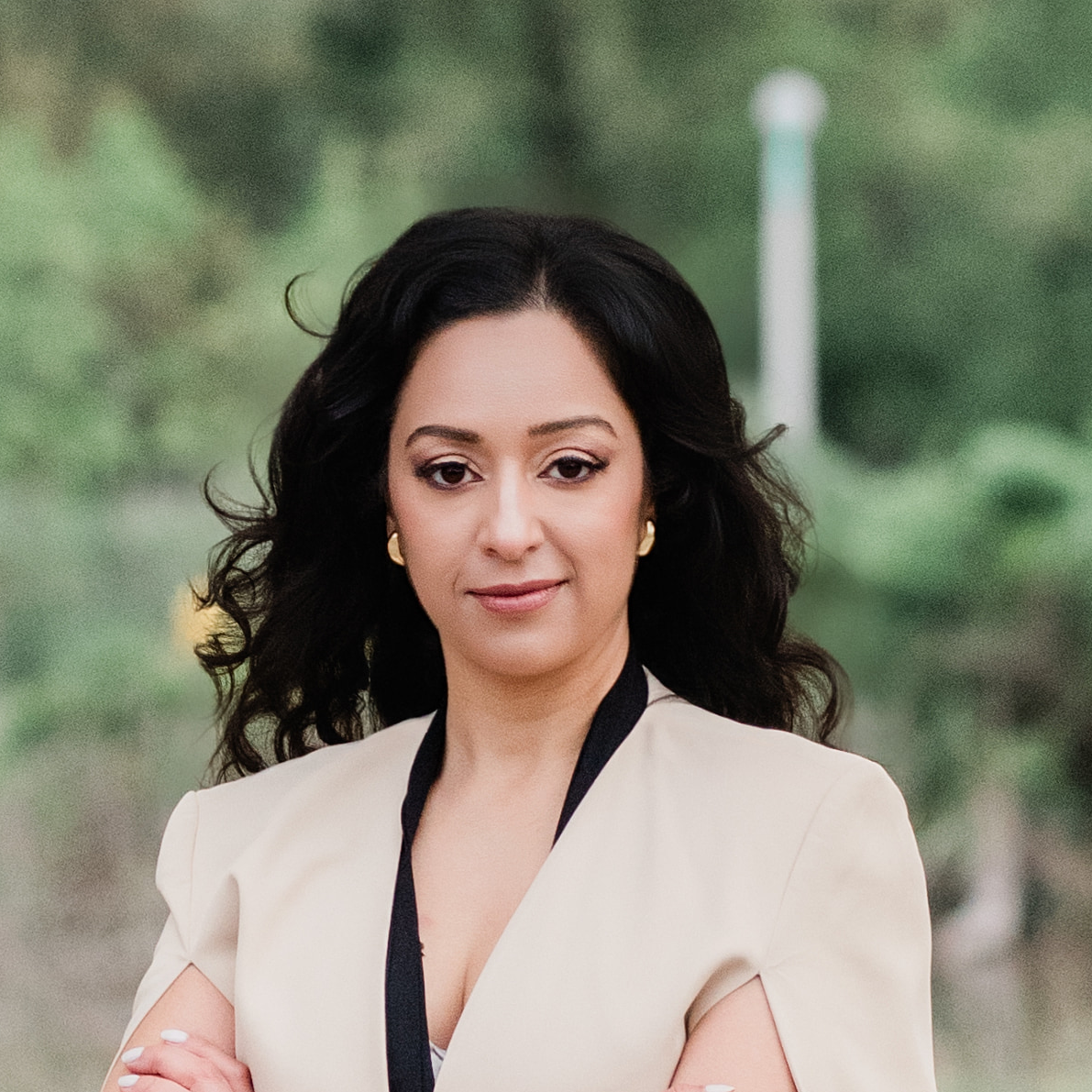
Dr. Ammara Khalid is the CEO and founder of RIA Psychological Services. She is a Clinical Psychologist who has been practicing in Chicago for over 15 years. She did her Bachelor’s from NYU in Psychology and Gender and Sexuality, and her Masters and Doctorate from the Illinois School of Professional Psychology in Clinical Psychology focusing on Marriage and Family Therapy as well as Diversity and Multicultural Issues. She sees clients from all walks of life, from age 4 to 84, and believes in helping clients heal and empower themselves and their communities. She sees clients for anxiety, depression, trauma, relationships, and many other concerns and issues. She conducts therapy in Urdu/Hindi as well and has taught various psychology courses at the Masters and Doctoral level and has presented at national conferences. She’s currently working on her book “The South Asian Guide to Healing: Breaking the Cycle of Trauma”, available in 2027 through JKP Books.
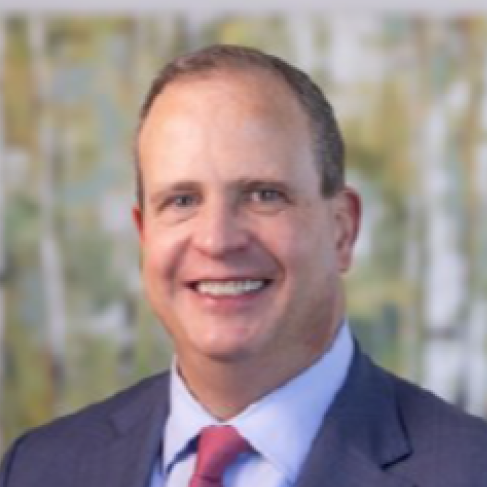
Michael Groat, PhD, president and CEO of the Lindner Center of Hope, has a 18-year career of leadership in nationally ranked hospital, residential, and outpatient treatment programs that provide evidence-based treatment services for adolescents and adults. He is the former CEO of CooperRiis, and was the Chief Clinical Officer of Silver Hill Hospital. He also previously served as Director of Adult Services at the Menninger Clinic, and directed the Menninger Professionals and Executives Program. Dr. Groat completed a four-year postdoctoral fellowship in the treatment of treatment refractory personality disorders and other mental disorders at the Austen Riggs Center. He is Associate Clinical Professor of Psychiatry and Behavioral Neuroscience at the University of Cincinnati College of Medicine. Dr. Groat has lectured widely on topics related to psychotherapeutic treatments, acute and intermediate levels of care, suicide prevention, personality assessment, the loneliness epidemic and recovery.
Rachel Ruiz, LMFT
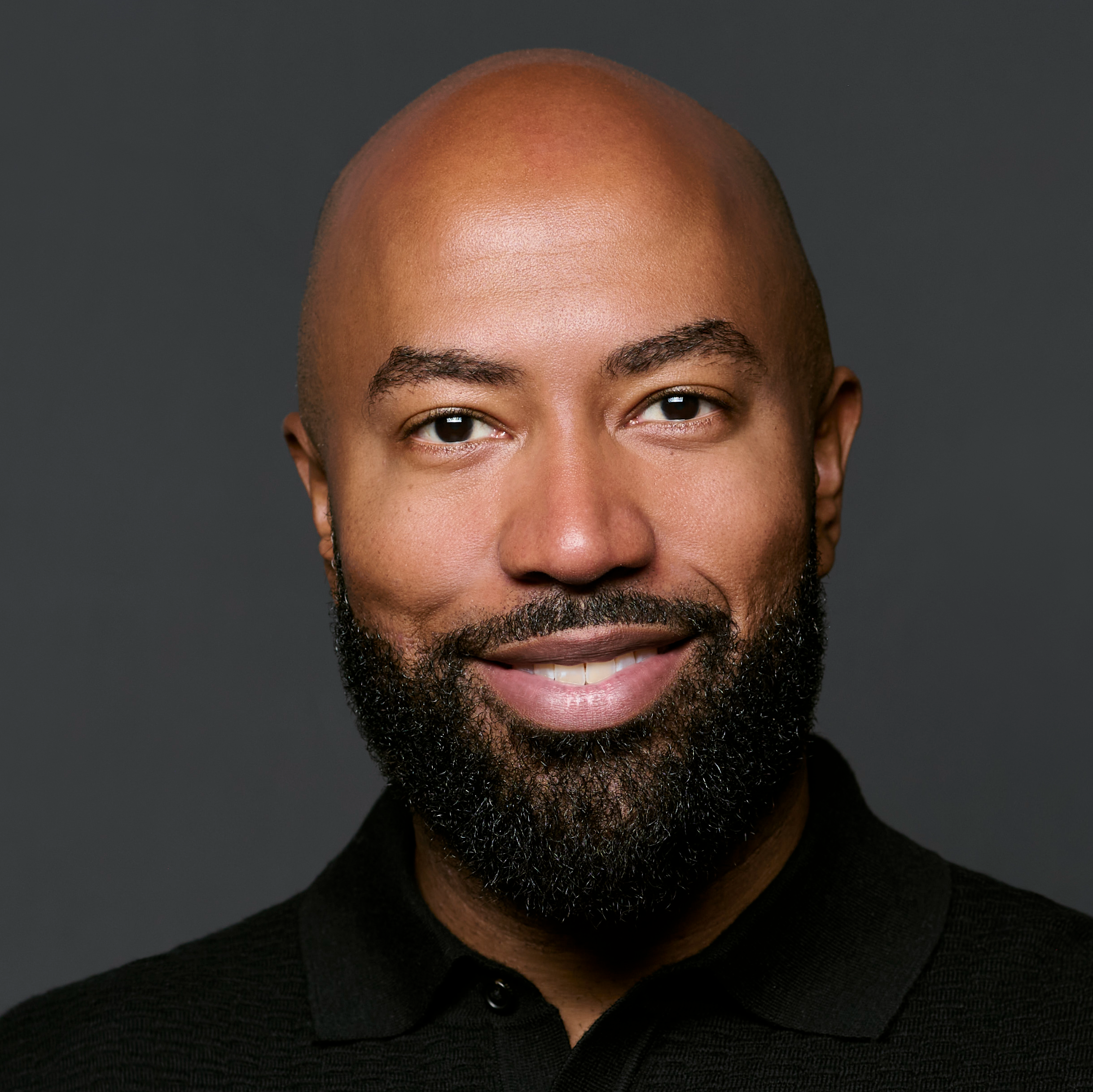
Sean Perryman is an attorney and AI governance advisor who works at the intersection of artificial intelligence, governance, and public policy. He is the founder of Perryman Consulting & Advisory, where he counsels technology companies, philanthropies, and institutions on responsible AI deployment. Previously, he served as Global Head of AI & Fairness Policy at Uber, building governance across more than 70 countries, and as Counsel on the U.S. House Oversight Committee under the late Rep. Elijah Cummings. Sean is adjunct faculty at Vanderbilt Law School, where he co-teaches AI governance and ethics. He writes The Human Cost, a publication examining AI's psychological and societal toll.

Financially Sponsored By

  • Molly Pachan PhD