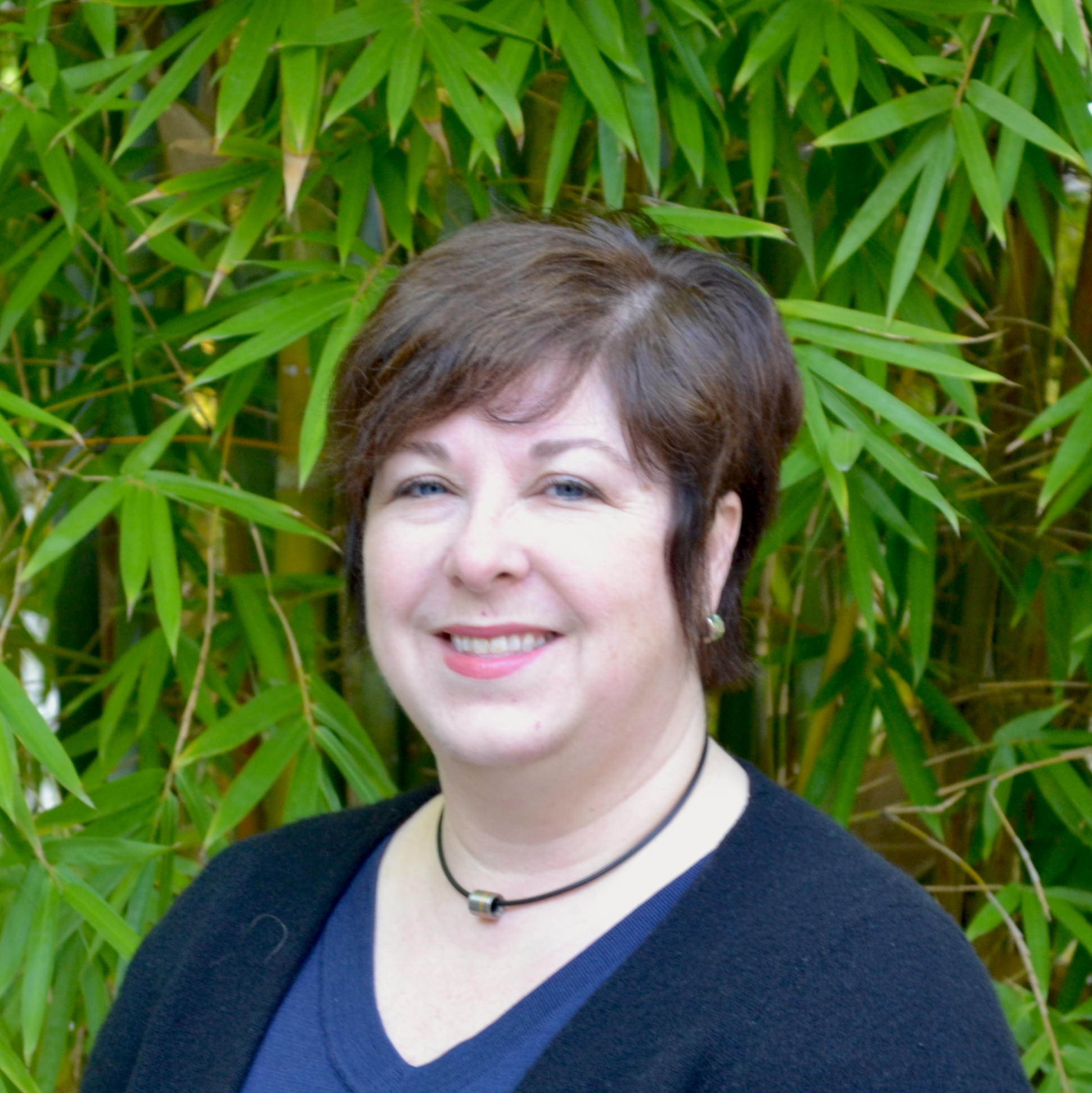
Dr. Julie Weitlauf is a Clinical Professor of Psychiatry and Behavioral Sciences, and by courtesy, of Obstetrics and Gynecology, at Stanford University School of Medicine. She completed her undergraduate work at the University of Washington, her doctoral training in clinical psychology from the University of Illinois at Chicago, and her clinical internship at the VA Palo Alto Health Care System. Dr. Weitlauf completed a two-year post-doctoral training fellowship at the Sierra Pacific Mental Illness, Research, Education and Clinical Center and Stanford University School of Medicine, and brief, post-graduate training in clinical sexology at Leiden University Medical Center in the Netherlands. Dr. Weitlauf currently serves as the director of the Sexual Dysfunction Clinic within the Division of Women’s Wellness (Adult Psychiatry). Dr. Weitlauf is a founding member of the Stanford Menopause Consortium, serves as a course director for Women’s Sexual Dysfunction Case Conference, and frequently lectures at the Stanford / Pacific Graduate School of Psychology Consortium program.
Dr. Weitlauf, a clinical psychologist, also serves as the director of the Women’s Mental Health and Aging Core of the Sierra Pacific Mental Illness, Research, Education and Clinical Center (MIRECC) at the VA Palo Alto Health Care System. In this role, she oversees efforts to facilitate high quality research, clinical education (for both patients and providers), and evidence-based mental health care pertinent to the unique needs of women veterans. Specifically, in this role, Dr. Weitlauf directs ongoing research on sex differences in all-cause, and cause-specific (hypertension related cardiovascular disease, suicide) mortality among Vietnam veterans, facilitates a national training conference (Updates on Mental Health and Menopause) and a monthly continuing education webinar series (via her role as an education chair with Division 18, Psychologists in Public Service, of the American Psychological Association) for the national VA mental health workforce, mentors early career VA researchers in women’s mental / physical health, and serves as a member of the Programmatic Scientific Review Board for the VA SHIELD studies and as Reviewer for the Women’s Health Research Panel for VA Health Services/Systems Research. Dr. Weitlauf is currently training a cadre of VA clinicians on basics of implementing CBT for menopause.
Finally, Dr. Weitlauf directs the Women’s Interpersonal Abuse, Sexual Assault and Health (WISH) laboratory which is focused on research examining the intersection of women’s physical and mental health across the lifespan with particular emphasis on the role of interpersonal abuse (including sexual violence) exposure on women’s health, well-being, and quality of life.
Haley Miles-McLean, PhD is a Psychologist Clinician Investigator and Assistant Director of the Education Core at the VISN5 Mental Illness Research, Education, and Clinical Center and Adjunct Assistant Professor at the University of Maryland School of Medicine. Her research focuses on promoting the wellbeing of midlife and older women veterans, with a focus on menopause.

 Google
 Outlook.com
 Yahoo
Yahoo