Voices
Information
Date & Time
-
-
 Google
 Outlook.com
 Yahoo
Yahoo
Description
Voices are often a highly distressing symptom of schizophrenia. Many clinicians presume that the experience of these symptoms is more or less the same everywhere. This talk will present an interview-based comparison of the voice-hearing experience among persons with schizophrenia in six different countries: the U.S., Ghana, India, Thailand, China and Russia. The comparison is of necessity limited, because the sample sizes are small. Nevertheless we see differences which may be of interest. Most strikingly, the participants in the US sample reported more violent commands, and it seems that their voices felt more alien to them.
This work also draws on data from extensive fieldwork and from hundreds of interviews conducted across multiple countries to examine the prevalence and variability of these experiences. We will discuss what we know about the difference between the voices found in psychosis and in the general population, and the evidence that three factors (porosity, absorption and training) facilitate voices in the general population. People can in effect learn to hear voices—and this is terribly important in religious settings. This learning dimension has implications for the clinical management of psychosis as well.
Learning Objectives
Participants will be able to:
-
Compare several features of voice hearing among different social groups.
-
Discuss how cultural practices may lessen the harshness of voices associated with psychosis.
-
Identify which voices are caused by psychosis and which are not.
-
Apply material to explore the experience of hearing voices with clients who hear voices
Educational Goal
Target Audience
- Addiction Professional
- Counselor
- Marriage & Family Therapist
- Nurse
- Physician
- Psychologist
- Social Worker
Presenters
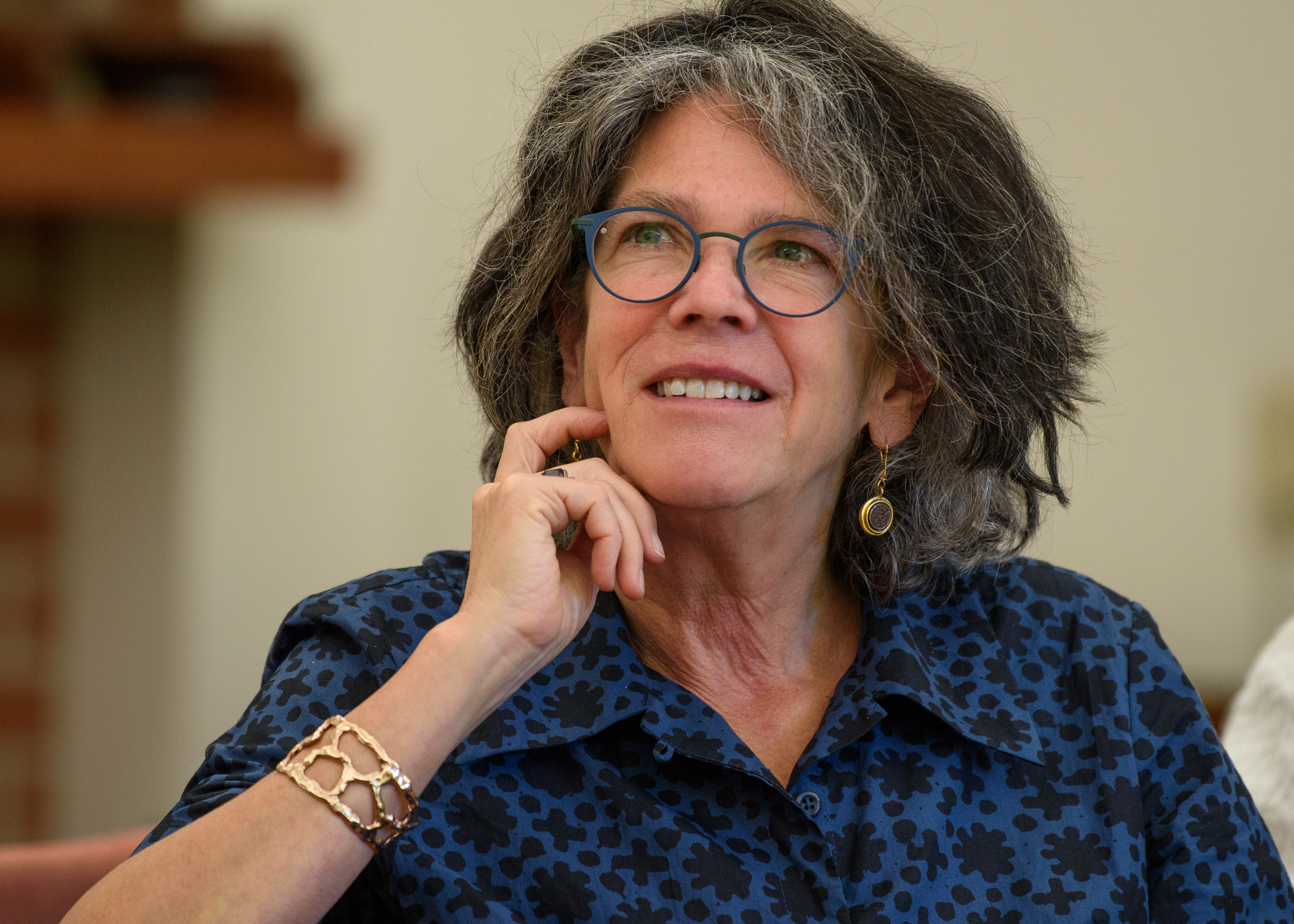
She was elected to the American Academy of Arts and Sciences in 2003, received a John Guggenheim Fellowship award in 2007, and was elected to the American Philosophical Society in 2022. She has published over thirty OpEds in The New York Times, and in many other literary outlets such as Harper’s. Her books include Persuasions of the Witch’s Craft, The Good Parsi, Of Two Minds, When God Talks Back, Our Most Troubling Madness (co-edited with Jocelyn Marrow), and How God Becomes Real. In 2027 she will publish Voices.
Financially Sponsored By
- Ellenhorn