
Open help menu
Live Webinar

Vicarious Trauma & Building Resilience For The National Guard

|

Information

Date & Time

Learning Objectives

Participants will be able to:

  • Define vicarious trauma and distinguish it from burnout, compassion fatigue, and post-traumatic stress.

  • Identify at least three signs and symptoms of vicarious trauma in themselves or others.

  • Describe the impact of cumulative trauma exposure on emotional, cognitive, physical, and professional functioning.

  • Apply at least three evidence-based resilience strategies to reduce the effects of secondary trauma exposure.

Educational Goal

The educational goal of this workshop is to increase participants’ understanding of vicarious trauma and equip National Guard personnel with practical, evidence-informed resilience strategies using the START™ framework.

Description

Vicarious Trauma & Building Resilience for the National Guard is an evidence-informed training designed to help National Guard personnel, leaders, behavioral health professionals, and support staff recognize, prevent, and respond to the cumulative effects of vicarious trauma. Participants will explore how repeated exposure to the traumatic experiences of others can affect cognitive, emotional, physiological, and operational functioning while learning practical strategies to maintain resilience and readiness.

Target Audience

  • Addiction Professional
  • Counselor
  • Marriage & Family Therapist
  • Psychologist
  • Social Worker

Presenters

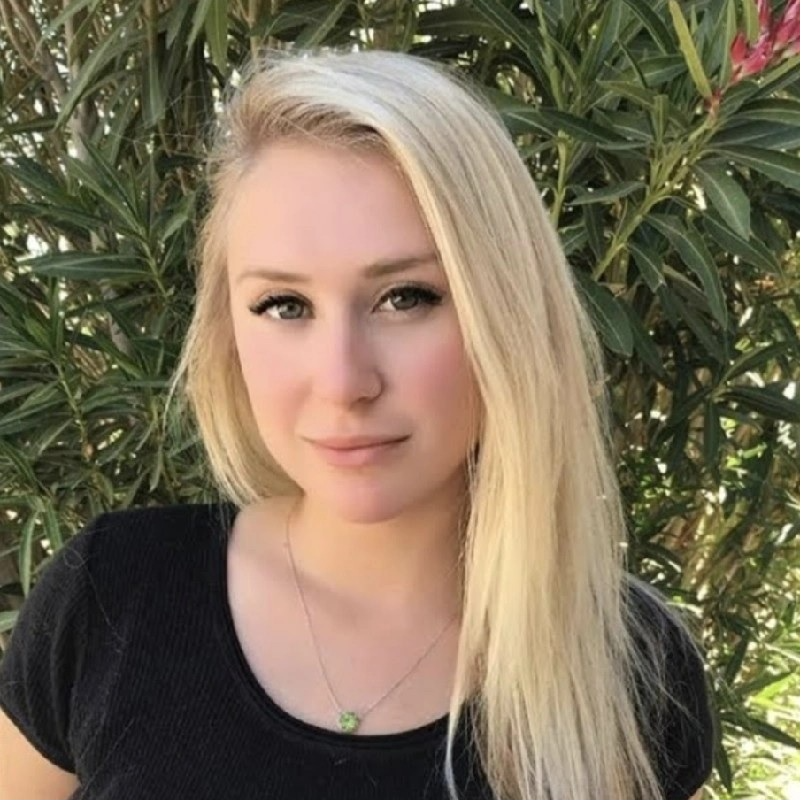
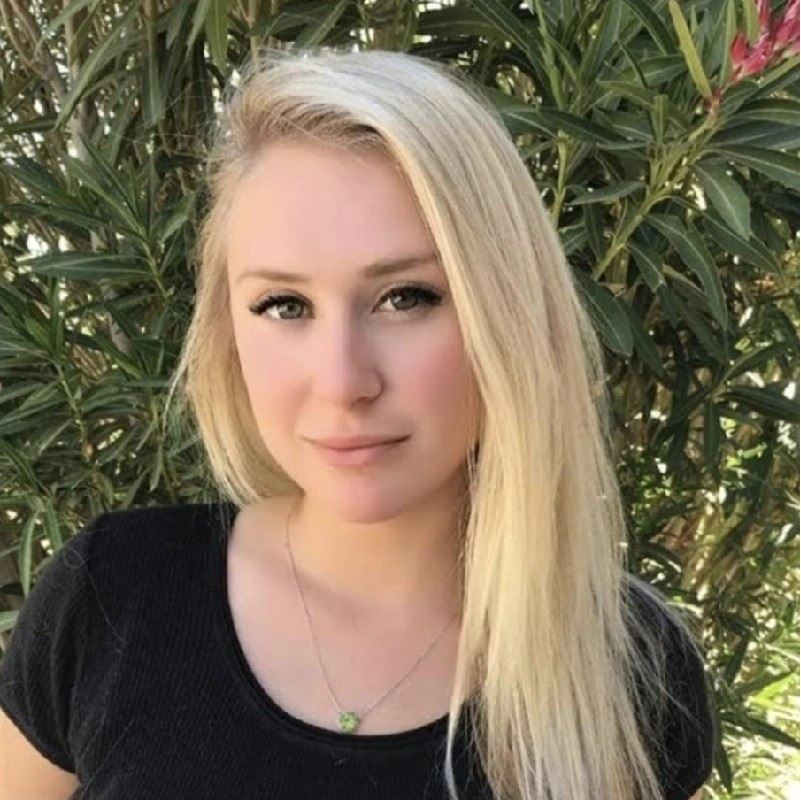
Dr. Klara Alexandra Esposito M.A., M.S., PhD, is a psychological associate, research psychologist, and state-credentialed counselor specializing in working with children and young adults with exceptional needs in specialty educational environments in Arizona. Moreover, she has spent the past 5 years expanding research, prevention practices, and applications in crisis and trauma for protected populations and the military. With over a decade of experience in the United States, her tenets began with working with the autism spectrum and other related disorders and diagnoses. Dr. Esposito completed her MS in Psychology at Grand Canyon University in her home state of Arizona and her PhD in Counseling and Psychological Studies at Regent University in Virginia, with an emphasis on trauma and crisis. Moreover, her doctoral training includes crisis and trauma counseling for various adult populations, including ex-patriots and veteran personnel. Notably, she has spent the last five years working as a crisis counselor, trainer, and behavioral specialist in Japan, with a specific focus on suicide prevention, domestic violence, and sexual violence. Currently, Dr. Esposito is completing her postdoc at William & Mary, located in Williamsburg, Virginia, in Clinical Mental Health Counseling, to expand clinical services. Visit her website, based on her dissertation, advocating for professionals in helping and mental health professions: https://pr-advocacy.com/
Elizabeth Marshall, MA, LMFT, is a senior behavioral health leader with over 25 years of experience in clinical care and program leadership, including more than a decade supporting Department of Defense initiatives. She has led large-scale behavioral health programs across U.S. military installations, overseeing extensive networks of clinicians serving active-duty service members and their families. Ms. Marshall specializes in crisis response, grief and loss, resilience, and military family readiness, and is recognized for implementing trauma-informed, mission-focused care in high-demand environments. Her background also includes hospice and bereavement care, youth and family services, and community-based behavioral health. She serves as Board President of the American Foundation for Suicide Prevention (AFSP), San Diego Chapter, where she advances suicide prevention, veteran advocacy, and community healing initiatives at both the local and national levels.

Financially Sponsored By

  • Blue Rose Consulting Group, Inc.