
Open help menu
On-Demand

Understanding, Assessing, and Preventing Suicide Among Veterans Interacting with the Criminal Legal System

|

Pricing

Information

Recorded

  • -

Description

Veterans interacting with the criminal legal system are at elevated risk for suicide. To date, research into how to effectively prevent suicide among these Veterans unfortunately remains limited. Furthermore, suicide risk screening, evaluation, and prevention approaches may be complicated among these Veterans who are often clinically complex (e.g., serious mental illness; substance misuse) and experiencing concurrent psychosocial difficulties (e.g., homelessness). This presentation will review gold-standard practices for assessing risk as well as how to provide tailored intervention for these high-risk individuals.

Learning Objectives

Participants will be able to:

  • Identify the prevalence of suicide-related outcomes among Veterans experiencing criminal-legal involvement.

  • Recognize relevant risk and protective factors for suicide in Veterans experiencing criminal-legal involvement.

  • Develop a working conceptualization of risk for Veterans with criminal-legal involvement within the 3 Step Theory of Suicide

  • Identify strategies to connect at-risk Veterans with available VA Services

Educational Goal

The purpose of this course is to provide an overview of drivers of risk for Veterans interacting with the criminal legal system. The presentation will then build upon this by discussing optimal, evidence-based methods of assessing and preventing suicide among these Veterans.

Target Audience

  • Addiction Professional
  • Counselor
  • Marriage & Family Therapist
  • Psychologist
  • Social Worker

Presenters

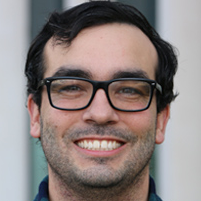
Ryan Holliday, PhD, is a Clinical Research Psychologist within the Department of Veterans Affairs and an Assistant Professor in the Departments of Psychiatry and Physical Medicine & Rehabilitation at the University of Colorado Anschutz Medical Campus. His research aims to understand the intersection of social drivers of health (e.g., homelessness, criminal legal involvement), trauma exposure and health factors (e.g., traumatic brain injury), and suicide risk. He is further interested in translating these findings into evidence-based practice to ensure all Veterans receive equitable and optimal care.
Dr. Emily Edwards is the Director of the Clinical Core at the VISN 2 MIRECC and a licensed clinical psychologist in New York State. She received her Ph.D. in Clinical Psychology from CUNY Graduate Center at John Jay College and completed postdoctoral training with the VA from 2019-2021. As a scientist practitioner, Dr. Edwards embraces integration of clinical practice and research. Her research focuses on themes of justice-involvement, suicide, and personality disorders, particularly among military Veterans, and on transdiagnostic interventions to reduce risk for individuals affected by these difficulties. She has led development and evaluation of several novel interventions to mitigate risk for suicide, including interventions tailored to the needs of Veterans experiencing criminal-legal involvement, homelessness, and/or substance use disorders. Dr. Edwards is a Research Affiliate of various VA groups, including the National Center on Homelessness Among Veterans (NCHAV), Veteran Employment and Economic Security Research Consortium (SERVES CORE), and Suicide Prevention REsearch Impact NeTwork (SPRINT). She is also heavily involved in training junior colleagues through mentorship of predoctoral students, postdoctoral fellows, and early career investigators and as the Director of the VISN 2 MIRECC externship training program. In addition to her research and clinical work, Dr. Edwards has also provided consultation services to local problem-solving courts, the Veterans Benefits Association, VA Office of General Counsel, and NYC Department of Corrections, among others.

Financially Sponsored By

  • APA Division 18: Psychologists in Public Service