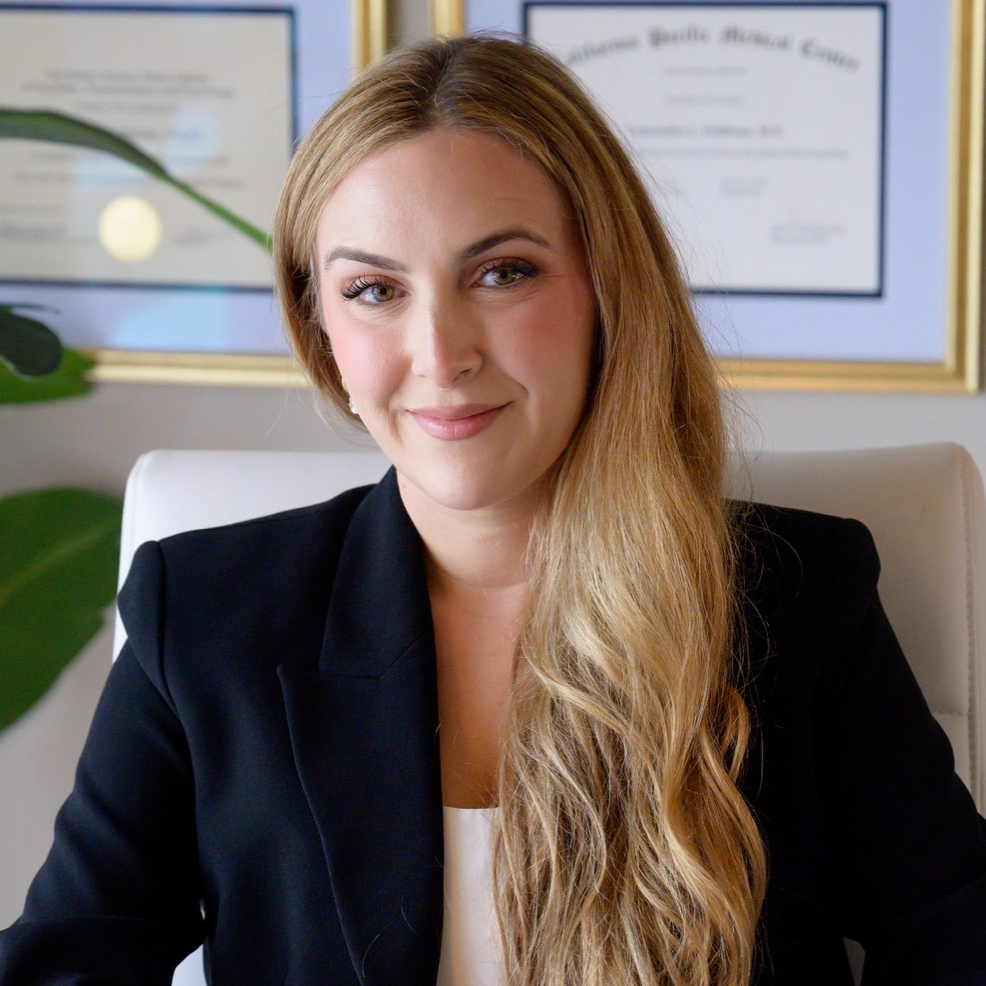
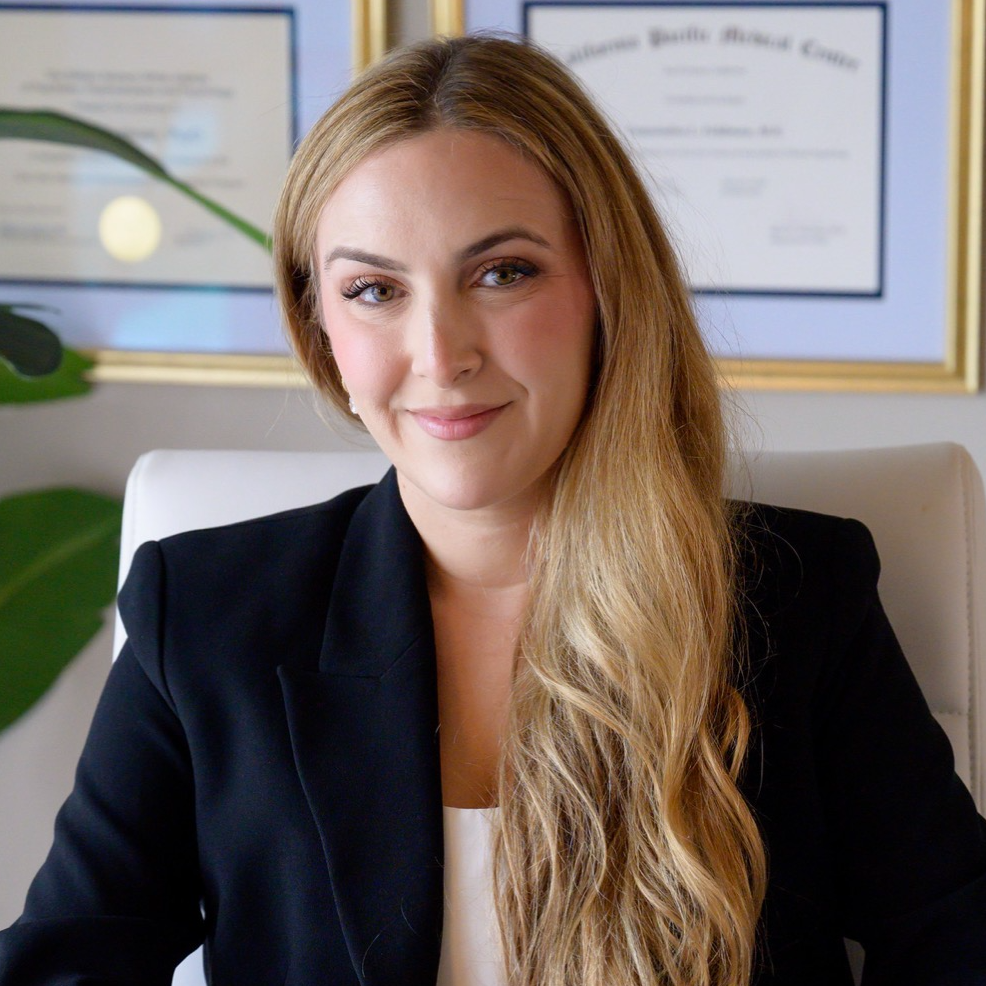
Cassondra Feldman, PsyD, is a licensed clinical psychologist, educator, researcher, and disaster mental health responder specializing in health psychology, acute emergency response, and resilience. She earned her Doctor of Psychology (PsyD) and Master of Science (MS) in Clinical Psychology with a concentration in Health Psychology from Nova Southeastern University, following a Bachelor of Arts in Psychology from The George Washington University. Dr. Feldman completed an APA-accredited post-doctoral fellowship in health psychology and interprofessional primary care at the VA New York Harbor Healthcare System, an APA-accredited pre-doctoral internship at the California Pacific Medical Center, and advanced training through the William Alanson White Institute’s Intensive Psychoanalytic Psychotherapy Program. In addition to maintaining an active private practice in Bay Harbor Islands, Florida, she serves as an Adjunct Faculty Professor in the Clinical Psychology Program at Nova Southeastern University, Teaching Faculty for the Memorial Regional Hospital Psychiatry Residency, and a clinical consultant providing residency didactics. Her extensive background encompasses frontline crisis intervention and FEMA-sponsored research examining prolonged disaster response and first responder mental health following the Champlain Towers South collapse in Surfside, Florida, alongside numerous book chapters, peer-reviewed publications, and national conference presentations on trauma, medical psychology, and psychological resilience.
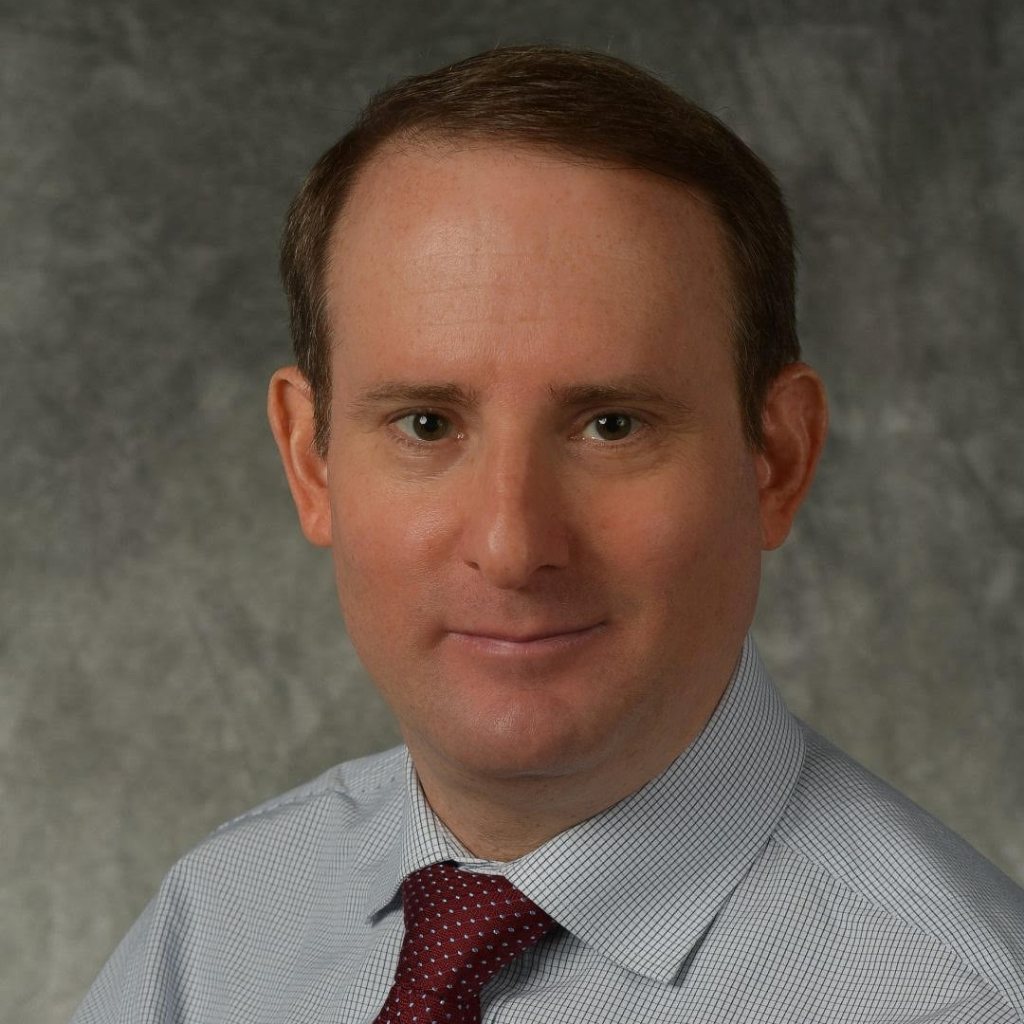
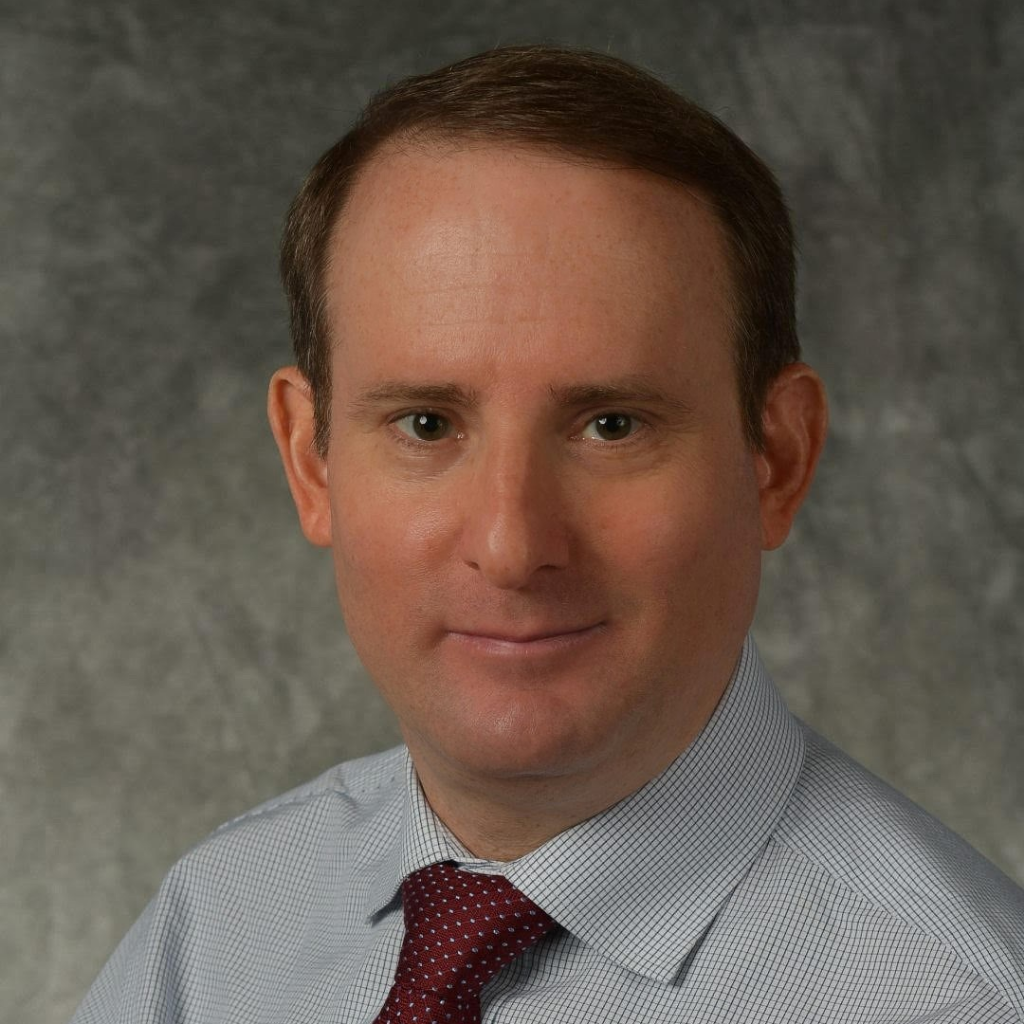
Nathan D. Ainspan, PhD, is the Senior Research Psychologist with the Military-Civilian Transition Office (MCTO) at the Department of Defense — the office responsible for the Transition Assistance Program (TAP) for Active Duty members, the Yellow Ribbon Reintegration Program (YRRP) for Reservists and Guardsmen, and the SkillBridge program that provides civilian sector internships and other training opportunities to military members. Dr. Ainspan earned his Master of Science and Doctor of Philosophy degrees in Industrial and Labor Relations from Cornell University, specializing in human resources, organizational behavior, and statistics. His research, writing, and speaking have focused on improving civilian employment opportunities for transitioning service members and the psychosocial benefits of employment for veterans. He has authored and edited dozens of publications including the books Military Veteran Employment – Your Competitive Advantage: A Business Guide for the Data-Driven Leader (with Kristin Saboe, Oxford, 2021), The Handbook of Psychosocial Interventions for Veterans and Service Members: A Guide for the Non-Military Mental Health Clinician (with Craig J. Bryan and Walter E. Penk, Oxford, 2016), When the Warrior Returns: Making the Transition at Home (with Walter E. Penk; Naval Institute Presse 2012) and Returning Wars Wounded, Injured, and Ill: A Handbook (with Walter E. Penk; Praeger, 2008). He is a Fellow of the American Psychological Association, the Society for Military Psychology, the Society for Industrial-Organizational Psychology, and the Psychologists in Public Service divisions of APA.
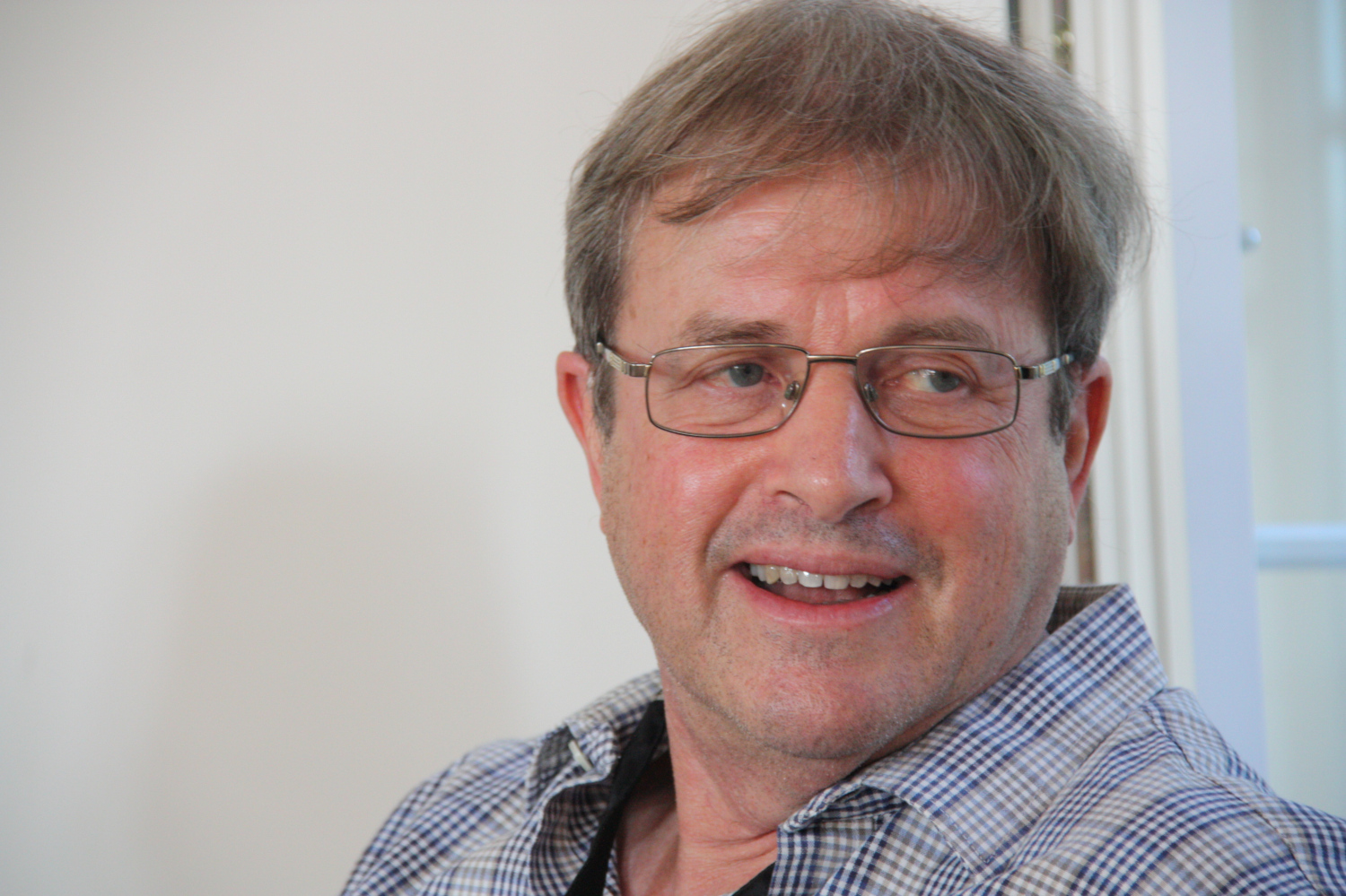
Haim Omer, PhD, is Professor Emeritus in the School of Psychological Sciences at Tel-Aviv University and the pioneering founder of Non-Violent Resistance (NVR) and the Parental Vigilant Care framework. He completed his doctoral studies in psychology at the Hebrew University of Jerusalem followed by post-graduate studies at Harvard University. Dr. Omer has authored over a dozen influential books and more than 80 peer-reviewed articles focusing on systemic interventions, child and adolescent anxiety, oppositional behaviors, family dynamics, and suicide prevention. His clinical and research models have been adopted by family guidance clinics, educational systems, and psychiatric treatment centers across more than 15 countries worldwide.
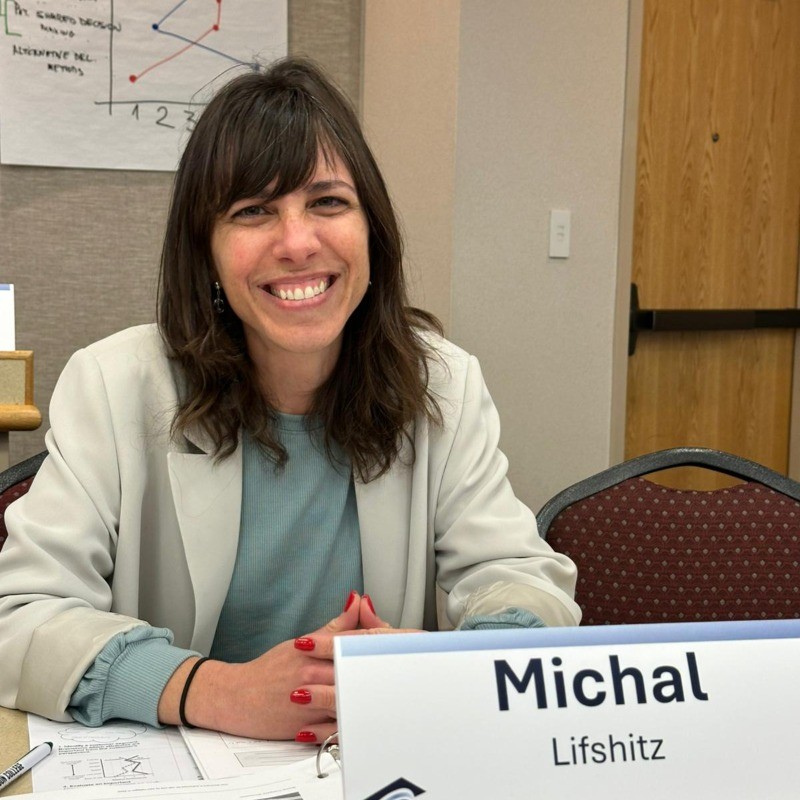
Dr. Michal Lifshitz, MD, MHA,
Michal Lifshitz, MD, MHA, is a military psychiatrist, psychotherapist, and senior medical officer holding the rank of Lieutenant Colonel in the Israel Defense Forces (IDF) Medical Corps. She serves as Head of the Taatzumot Branch and has previously served as Head of the Clinical Branch within the IDF mental health system, as well as Battalion and Brigade Physician. Dr. Lifshitz specializes in military mental health, with focused expertise in the evaluation, treatment, and functional rehabilitation of service members affected by acute combat stress reactions, operational stress injuries, and post-traumatic stress disorder (PTSD). Her professional work and published research center on frontline psychological stabilization, trauma recovery, and the restoration of emotional, social, and occupational functioning following severe combat exposure.
 Google
 Outlook.com
 Yahoo