Transcending Trauma: Understanding and Healing Trauma Through IFS and Neuroscience
Transcending Trauma: Understanding and Healing Trauma Through IFS and Neuroscience
Pricing
Information
Description
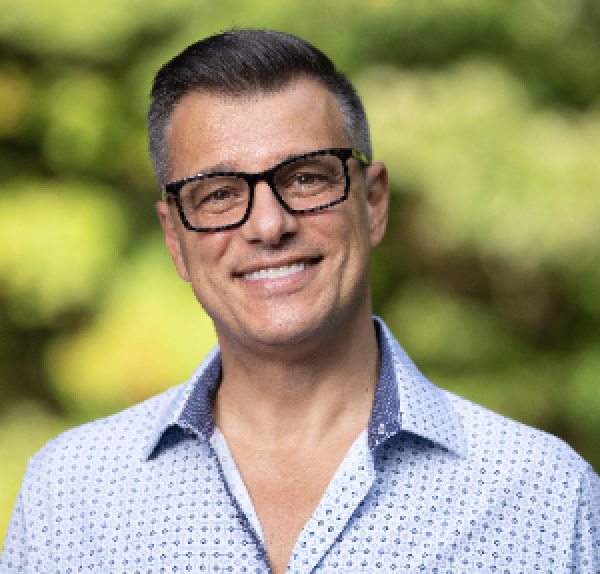
This immersive 12-module program (8 hours, 30 minutes of content) offers an unprecedented integration of Internal Family Systems (IFS) and neuroscience for the treatment of trauma. Led by Dr. Frank Anderson—Harvard-trained psychiatrist, IFS Senior Lead Trainer, and long-time collaborator of Bessel van der Kolk—this course bridges clinical expertise, neurobiological science, and compassionate presence. Dr. Anderson guides participants through the foundations of IFS, the neuroscience of trauma, and advanced clinical strategies for working with complex trauma, dissociation, attachment wounds, addictions, intergenerational legacies, and cultural trauma. Through clinical demonstrations, meditations, and experiential practices, participants will learn how to support clients in accessing self-leadership, unburdening wounded parts, and restoring trust in their inner systems. This program is more than a training—it’s a complete educational journey designed for mental health professionals seeking to deepen their clinical skillset, expand their understanding of trauma, and transform their therapeutic presence.
Learning Objectives
Participants will be able to:
-
Explain the core principles of the Internal Family Systems model (6 Steps, 6 Fs, 8 Cs, Self-leadership) and apply them in trauma treatment.
-
Describe the neurobiological impact of trauma, including dysregulation of the nervous system, interoception, and neuroplasticity, and integrate this knowledge into clinical practice.
-
Differentiate between protective and exiled parts and demonstrate strategies for working respectfully with both, including the Unburdening process.
-
Identify therapist parts that may be activated in trauma work and apply methods to stay grounded in one’s own Self-leadership during sessions.
-
Apply IFS strategies to complex trauma cases, including dissociation, relational trauma, addictions, psychosis, and intergenerational or cultural burdens.
-
Compare IFS to other trauma-informed modalities such as EMDR, AEDP, Somatic Experiencing, and Polyvagal Theory, recognizing points of integration.
-
Assess when and how to use resonance, compassion, and pacing when working with protective parts to build safety and trust.
-
Demonstrate how IFS fosters both inner and relational reconnection, repairing ruptures in Self-to-part and therapist-to-client relationships.
-
Evaluate the role of neuroscience and psychopharmacology in trauma recovery and their integration with IFS principles.
-
Support client-led healing by helping clients disentangle from over-identified parts, access Self, and cultivate sustainable post-healing integration.
Educational Goal
Target Audience
- Addiction Professional
- Counselor
- Marriage & Family Therapist
- Psychologist
- Social Worker
Presenters

Financially Sponsored By
- QUANTUM WAY