The Suicide Prevention Blind Spot: What We’re Missing About Military and Veteran Risk
The Suicide Prevention Blind Spot: What We’re Missing About Military and Veteran Risk
Information
Date & Time
-
-
 Google
 Outlook.com
 Yahoo
Description
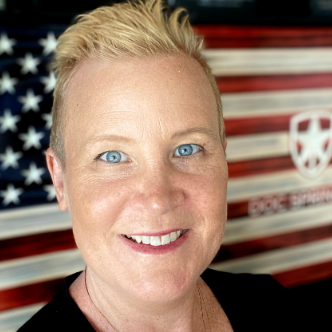
Military and veteran suicide risk doesn't always look the way we expect. In this provocative two-hour training, nationally recognized subject matter expert Shauna "Doc" Springer, Ph.D., examines several deeply embedded beliefs about suicide that can shape what we notice, what we miss, and how we respond. Drawing on four case examples, Doc Springer offers a more sophisticated understanding of how risk can develop within warrior culture—and why some of our most familiar approaches to prevention may come too late or fail to reach the people they were designed to help.
This course offers a new lens for recognizing risk earlier, to help us respond with greater discernment, and expand the opportunities we have to support those who protect us.
Educational Goal
Learning Objectives
Participants will be able to:
-
Identify at least three ways suicide risk in military members and veterans may present outside of conventional warning signs, including changes in functioning, behavior, connection, identity, and patterns of cumulative stress.
-
Differentiate among psychological factors that may contribute to suicide risk in military and veteran populations, including trauma-related symptoms, moral injury, grief, identity disruption, perceived betrayal, and loss of belonging.
-
Apply a more nuanced framework to conversations about suicide risk and help-seeking by distinguishing dark or destructive language from indicators requiring greater concern and identifying how trust, military culture, family relationships, and perceived consequences of disclosure can influence whether service members and veterans seek or accept support.
Target Audience
- Addiction Professional
- Counselor
- Marriage & Family Therapist
- Psychologist
- Social Worker
Presenters

Financially Sponsored By
- Leidos