The Protective Wall of Human Community: The New Evidence on Twelve-Step Facilitation Treatment and its Mechanisms
The Protective Wall of Human Community: The New Evidence on Twelve-Step Facilitation Treatment and its Mechanisms
Information
Date & Time
-
-
 Google
 Outlook.com
 Yahoo
Yahoo
Location
-
High Watch Recovery Center
62 Carter Rd
Kent, Connecticut 06757
Description
This course equips clinicians with the knowledge and skills to connect patients to community-based recovery supports that improve the chances of initiating and sustaining remission from alcohol and drug use disorders. Participants will examine the scientific evidence for Twelve-Step Facilitation treatments and gain practical strategies for implementing evidence-based TSF interventions in clinical practice.
Learning Objectives
Participants will be able to:
-
Describe the scientific evidence on Twelve-Step Facilitation treatments for alcohol/drug use disorders.
-
Deliver at least one type of evidence based Twelve-Step Facilitation intervention.
-
Outline the major evidence-based mechanisms of behavior change through Twelve-Step Facilitation treatments and AA are shown to confer relapse prevention benefits.
Educational Goal
Target Audience
- Addiction Professional
- Counselor
- Marriage & Family Therapist
- Psychologist
- Social Worker
Presenters
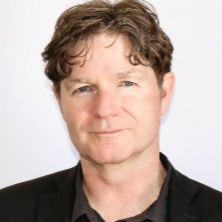
Dr. Kelly is a former President of the American Psychological Association’s (APA) Society of Addiction Psychology, a founding member and inaugural President of the American Board of Addiction Psychology, a Fellow of the APA, and a Diplomate of the American Board of Professional Psychology. He has served as a consultant to U.S. federal agencies and non-federal institutions, as well as foreign governments, the United Nations and the World Health Organization.
Dr. Kelly has published over 300 peer-reviewed articles, reviews, chapters, and books in the field of addiction medicine, and was an author on the U.S. Surgeon General’s Report on Alcohol, Drugs, and Health. He has won numerous state, national, and international lifetime achievements and distinguished scientist awards for his work.
His clinical and research endeavors have focused on addiction treatment and the recovery process, mechanisms of behavior change, and reducing stigma and discrimination among individuals suffering from addiction.
Financially Sponsored By
- High Watch Recovery Center