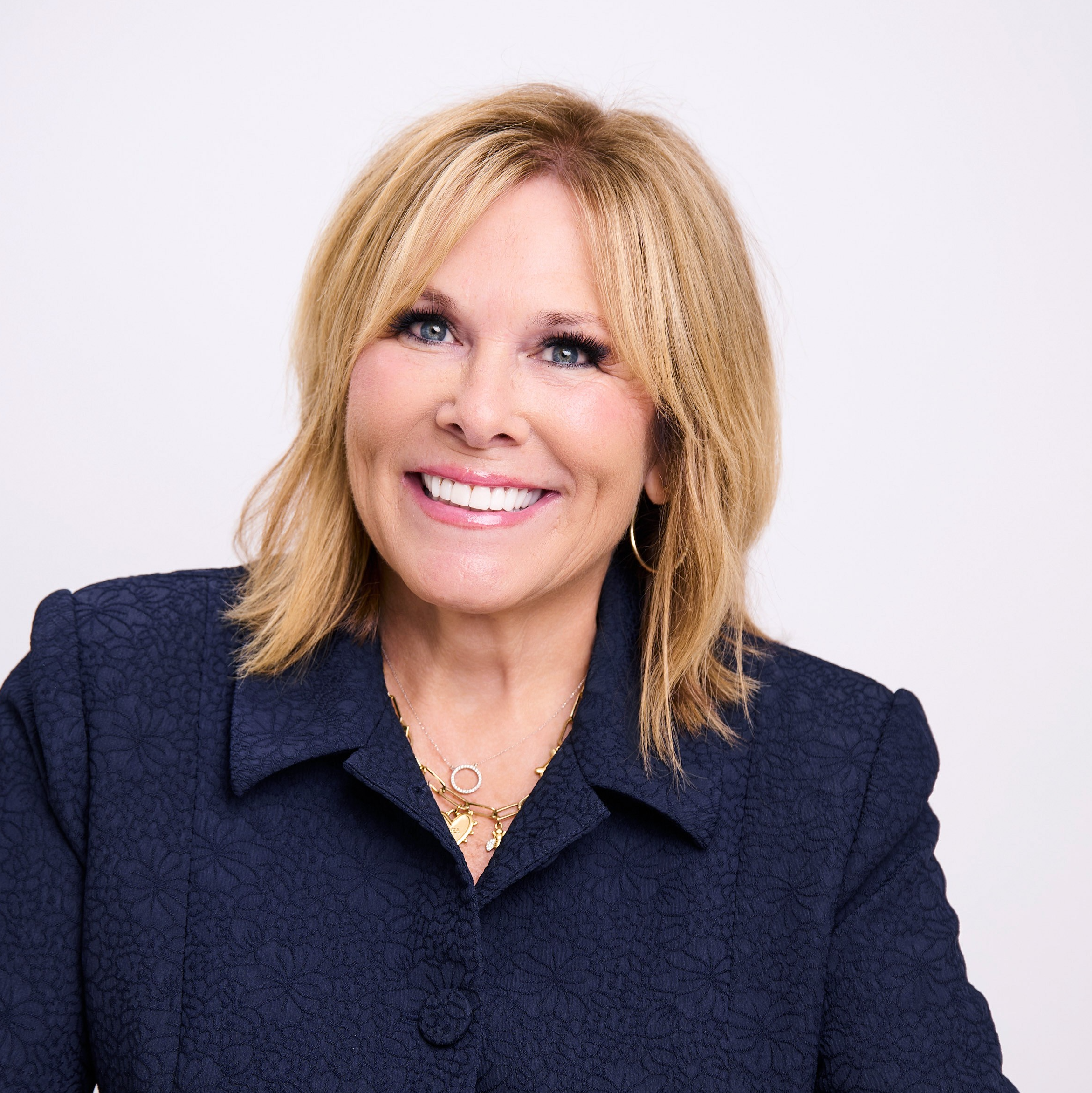
Julie Holland, MHA, CEDS-C is a nationally recognized leader, strategist and speaker in behavioral health and eating disorder treatment. She currently serves as Divisional Vice President, Behavioral Health for UHS, where she provides strategic leadership on strengthening access to high-quality behavioral health care across multiple regions.
With a rare blend of clinical insight and executive-level growth and marketing expertise, Julie has spent her career advancing access to care, elevating professional education and driving sustainable program development across the continuum of treatment. She has partnered with world-renowned medical and mental health professionals to support the development, implementation and scaling of evidence-based and innovative therapeutic interventions. In addition to her executive leadership roles, she has worked directly with clients in top-tier eating disorder treatment centers and maintained a private practice in both the United States and Bermuda.
A respected thought leader, Julie is a frequent speaker and educator for professional audiences, families and communities, and has contributed to national conversations through media, conferences and continuing education programming. She is deeply committed to collaboration across clinical, operational and community partners, with a focus on ensuring individuals and families receive compassionate, ethical and effective care when they need it most.
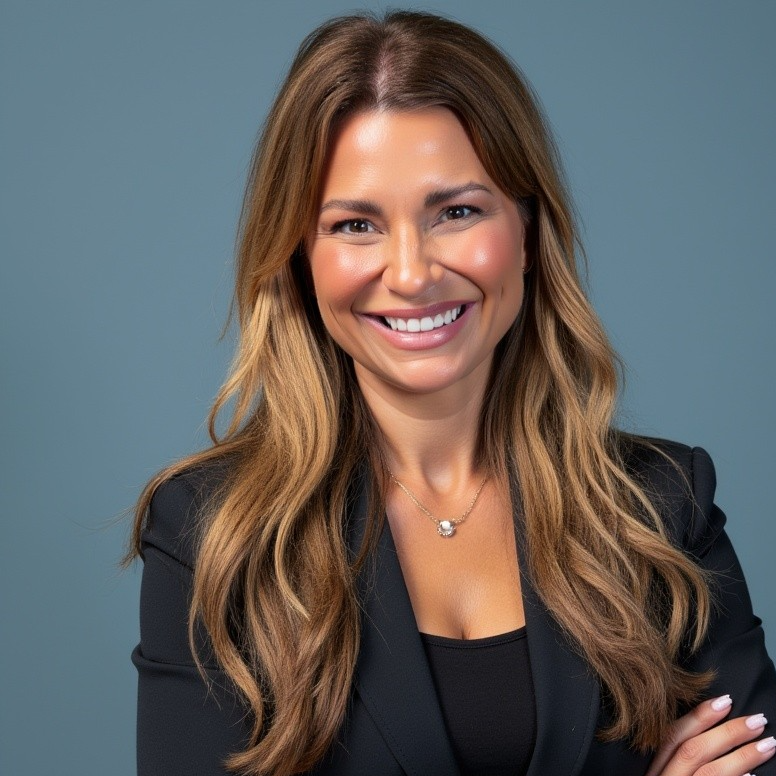
Crystal Manning-Mitchell, eMBA, MSN, RN, CENP, is a Native American healthcare executive, registered nurse, published author, and nationally recognized transformational leader. She serves as Chief Executive Officer of River Oaks Hospital, a 126-bed behavioral health hospital in Greater New Orleans and a legacy facility within Universal Health Services. Across her career, she has led in behavioral health, acute care, hospital operations, strategic growth, regulatory strategy, crisis management, and organizational transformation. Known for her ability to enter complex environments, identify the barriers to performance, and turn bold strategy into sustainable, measurable results, she is widely respected as a leader organizations call upon during critical moments of change.
At River Oaks Hospital, Crystal is leading the organization into a new era by strengthening patient safety, rebuilding physician partnerships, and expanding access across the continuum of care. With a strategic focus on specialty programming, she is advancing the development of adolescent outpatient services while creating an integrated continuum that supports patients from adolescence through adulthood. Her vision centers on trauma, eating disorders, and specialty behavioral health, ensuring patients receive highly specialized care at every stage of treatment and recovery. By honoring River Oaks’ long-standing reputation while positioning the hospital for the future, she is helping secure its place as a national leader in specialty behavioral healthcare.
Before joining River Oaks, Crystal built a national reputation as one of healthcare’s most trusted turnaround and regulatory leaders. As Chief Operating Officer of Southern EVALS, a Louisiana-based healthcare consulting firm with national reach, she advised more than 200 healthcare organizations through organizational crises, regulatory challenges, accreditation readiness, operational restructuring, and performance improvement. Her work supported the opening of hospitals, behavioral health treatment centers, and surgical programs from concept through final survey. She has led organizations through complex regulatory and operational challenges, delivering zero-deficiency outcomes across CMS, Joint Commission, AAAHC, CARF, and DNV accreditation environments. Her expertise includes authoring Facility Needs Reviews, developing and executing Plans of Correction under state and federal enforcement actions, and guiding organizations through high-stakes licensure and accreditation processes.
Crystal’s leadership foundation was shaped through executive roles at the Alaska Native Tribal Health Consortium and Alaska Native Medical Center, part of the tribally managed Alaska Tribal Health System working in partnership with the Indian Health Service. In those roles, she held high-level operational responsibilities supporting healthcare operations serving approximately 150,000 Alaska Native and American Indian customer-owners across the state. At Alaska Native Medical Center, she directed trauma, emergency, accreditation, and multispecialty operations for a Level II Trauma Center serving more than 160,000 Alaska Native and American Indian beneficiaries. There, she pioneered the region’s first tele-trauma program, championed culturally responsive care, and partnered with federal agencies to strengthen emergency preparedness and clinical excellence.
Prior to that, Crystal held senior leadership roles within CHRISTUS Health, where she oversaw high-acuity service lines including emergency medicine, women’s and children’s services, oncology, behavioral crisis, medical-surgical, and intermediate care. Her focus on operational excellence improved throughput, strengthened quality outcomes, and enhanced patient experience across the continuum of care. In every role, she has consistently advanced clinical quality, patient safety, operational performance, and organizational resilience within complex, high-reliability environments.
Beyond the organizations she has led, Crystal has built a national platform for healthcare advocacy, governance, and public service. She previously served on the National Board of Directors of the American Organization for Nursing Leadership, representing the American Hospital Association’s Region 7, and has also served on state and community boards, including the Alaska Children’s Trust. Her advocacy in Alaska and Louisiana has supported legislative and policy efforts to protect children, expand healthcare access, strengthen the workforce, and improve outcomes for women and underserved communities.
Her commitment to this work is deeply personal. As a foster mother and a mother who lost a baby following failures in healthcare delivery, Crystal understands how fragmented systems, preventable errors, and gaps in accountability can permanently alter a family’s future. She has transformed that grief into purpose, deepening her commitment to maternal health, patient safety, accountability, and policies that protect women, children, and families. A published healthcare author and national thought leader, her executive insights have been featured by Becker’s Hospital Review, and she continues to advocate for women’s health through the American Heart Association’s Go Red for Women initiative.
Crystal is currently pursuing a Juris Doctor with a focus on healthcare law and public policy, further strengthening her ability to influence healthcare beyond hospital walls. As her daughter attends Loyola University New Orleans, Manning-Mitchell is also deeply invested in Louisiana’s future and in advancing a healthcare system where women and families are heard, protected, and given every opportunity to thrive.
 Google
 Outlook.com
 Yahoo
Yahoo