The Ethical Mandate for Provider Self-Care
1.0 CE Hours
Introductory
$0
Information
Date & Time
-
-
 Google
 Outlook.com
 Yahoo
Yahoo
Learning Objectives
Participants will be able to:
-
Define the concepts of professional impairment and professional wellness in the behavioral healthcare sector.
-
Develop insights regarding the most common impairment issues existing in behavioral healthcare.
-
Demonstrate working knowledge of the potential ethical implications of professional impairment.
-
Explain the critical importance of self-care in optimizing professional wellness.
Educational Goal
The educational goal of this workshop is to increase understanding of the types of professional impairment most commonly seen in the behavioral healthcare space, the importance of self-care as an antidote to professional impairment, and the ethical mandate for engaging in self-care.
Description
In the behavioral healthcare sector, professional impairment continues to be a significant issue. Various types of impairment can impede one’s ability to perform effectively in their professional role. This type of impairment can result in negative professional consequences, ranging from a warning to complete censure. This presentation explores the etiology of professional impairment, barriers to seeking help, and the critical importance of self-care. A particular emphasis is placed on the types of professional impairment most commonly seen in behavioral healthcare, ethical considerations of professional impairment, and the many benefits of self-care.
Target Audience
- Addiction Professional
- Counselor
- Marriage & Family Therapist
- Psychologist
- Social Worker
Presenters
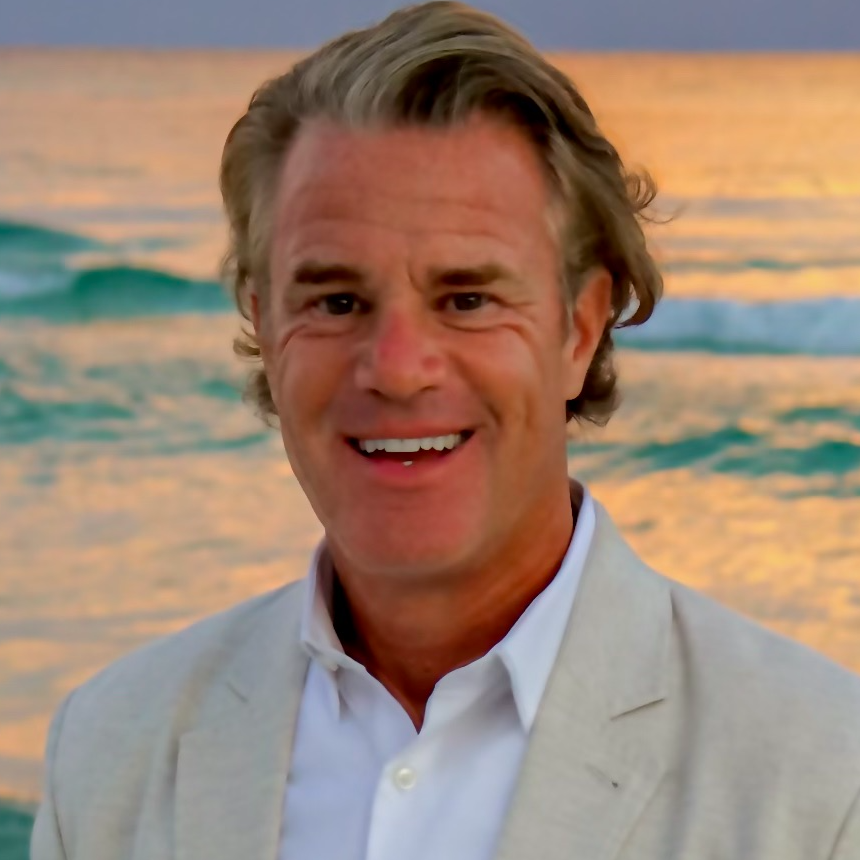
Dr. Brian Wind earned a Bachelor’s degree in psychology from the University of Virginia, and a PhD in clinical psychology from Palo Alto University. After completing a post-doctoral fellowship and becoming board certified in sleep disorders medicine, he spent years doing innovative work in that field. Since the beginning of his career, Dr. Wind has also specialized in the assessment, diagnosis, and treatment of addiction. In 2014, he launched NOVOS Behavioral Health Solutions, LLC, a clinical consulting company with an emphasis on the treatment of addiction, as well as the three “pillars of health” – sleep, nutrition, and exercise. In this position, Dr. Wind served as a clinical consultant with multiple healthcare facilities including adolescent and adult treatment centers, and during this time he developed pioneering healthcare-related software applications. Dr. Wind has served as co-chair of the American Psychological Association’s Advisory Committee on Colleague Assistance, with an emphasis on furthering the national movement of professional wellness. He holds the position of Executive Director of the Tennessee Colleague Assistance Foundation, Tennessee’s state-contracted peer support program for mental healthcare providers, in addition to serving as an adjunct faculty member in Vanderbilt University’s Department of Psychology. Dr. Wind has served as Chief Clinical Officer for multiple treatment facilities across the nation and currently is the Director of Clinical Strategy at S2L Recovery. S2L Recovery is one of the nation's only facilities pioneering the mental health and substance abuse space by combining evidence-based clinical practices while not surrendering its true faith based foundation. Dr. Wind currently lives in Tennessee and Florida with his wife, and spends his free time enjoying music, golf, hiking, and kayaking.
Financially Sponsored By
- S2L Recovery