The Power of Collaboration in Mental Health
The Power of Collaboration in Mental Health
Information
Date & Time
-
-
 Google
 Outlook.com
 Yahoo
Yahoo
Description
Collaborative Care: Teaching Multidisciplinary Approaches to Mental Health in Health Professions Education
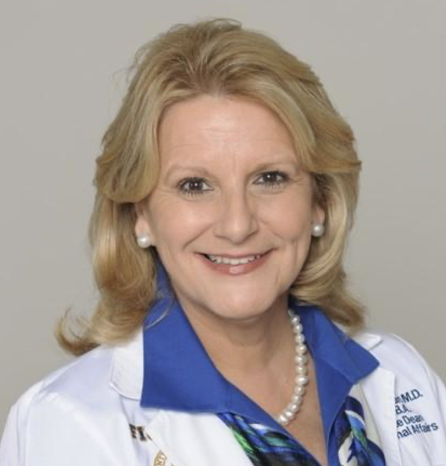
Presented by, Dr. Eneida Roldan
By exploring TMS and other emerging therapies, this session underscores how interdisciplinary collaboration can advance effective strategies for treating complex mental health and neurological disorders. Participants will gain practical insights for integrating evidence-based approaches across disciplines, fostering communication between mental health specialists, medical providers, and allied health professionals. The session also highlights real-world case examples and innovative teaching methods to enhance competency in multidisciplinary care.
Breaking Silos: Building Interdisciplinary Models and Operationalizing Collaboration for Transdisciplinary Comprehensive Behavioral Health Care
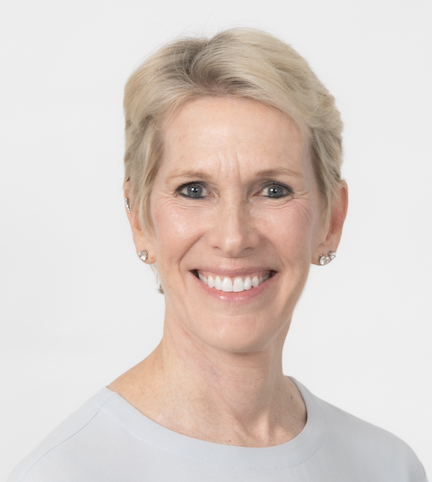
Presented by, Dr. Martha Koo
In today’s fragmented mental health landscape, delivering effective and compassionate care requires more than simply co-locating diverse professionals—it demands true integration. This presentation explores how interdisciplinary collaboration can be intentionally designed and operationalized within a company and across levels of care and services to enhance outcomes for individuals with mental health and substance use disorders. Drawing from the speaker’s experience as Chief Medical Officer of Your Behavioral Health, a large behavioral healthcare company that offers TMS, medication management, psychotherapy, and higher levels of care (detox, residential, PHP, IOP and long-term aftercare), this session outlines a real-world interdisciplinary care model. Attendees will learn strategies for facilitating interprofessional communication, coordinating transitions between levels of care, and overcoming common operational barriers. Case examples will illustrate how clinical, operational and management teams can collaborate to deliver optimal, individualized healthcare. By the end of the session, participants will be equipped with actionable insights to break silos in their own systems and foster a culture of shared responsibility and patient-centered integration.
Educational Goal
Learning Objectives
Participants will be able to:
-
Explain how clinical, operational, and management teams can collaborate to deliver comprehensive, patient-centered behavioral health services.
-
Summarize how to intentionally design and operationalize interdisciplinary collaboration.
-
Describe at least three strategies for facilitating interprofessional communication, coordinating transitions between levels of care, or overcoming common operational barriers.
-
Define the role of Transcranial Magnetic Stimulation (TMS) in treating psychiatric, neurological, and psychological conditions such as treatment-resistant depression, suicidality, OCD, and addictions.
-
Explain how innovative therapies like TMS can be integrated into multidisciplinary treatment settings.
-
Develop strategies to apply multidisciplinary insights to their own clinical practice for more comprehensive patient care.
Target Audience
- Addiction Professional
- Counselor
- Marriage & Family Therapist
- Nurse
- Physician
- Psychologist
- Social Worker
Presenters