Open help menu

Information

Date & Time

Description

This panel explores the evolving relationship between HIV and chemsex through the lens of recovery. Panelists will examine how the legacy of the HIV epidemic continues to shape substance use, intimacy, and coping, alongside the impact of advances like PrEP and U=U. The discussion will look at chemsex not just as a behavior, but as something tied to connection, trauma, and survival—and what that means for treatment. Panelists will highlight gaps in traditional recovery models and offer more grounded, harm reduction–informed approaches. The session will also explore what effective, realistic recovery can look like moving forward in this space.

Learning Objectives

Participants will be able to:

  • Describe how the legacy of the HIV epidemic influences current patterns of substance use and recovery.

  • Explain the role of chemsex in relation to coping, trauma, and connection.

  • Identify practical, recovery-oriented and harm reduction strategies for working with individuals engaged in chemsex.

Educational Goal

To deepen understanding of how HIV history and chemsex intersect to shape recovery needs, and to strengthen effective, recovery-oriented responses.

Target Audience

  • Addiction Professional
  • Counselor
  • Marriage & Family Therapist
  • Psychologist
  • Social Worker

Presenters

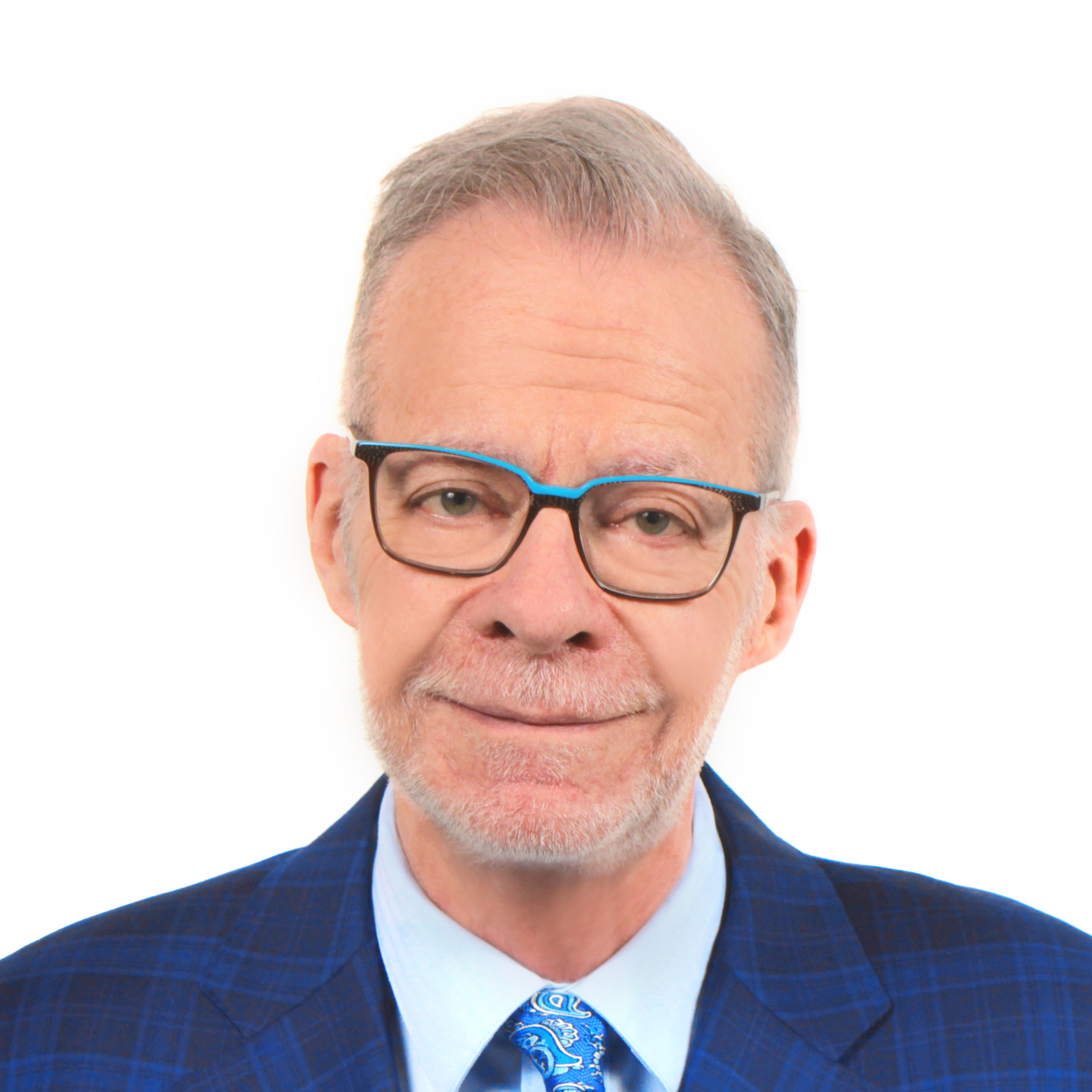
David Fawcett, PhD, CST, CSAT, is a psychotherapist and clinical sexologist specializing in sexualized drug use, LGBTQ+ issues, trauma, and mental health concerns related to physical illness. He has worked for over thirty years in substance use treatment and is the author of Lust, Men and Meth; Sex Under the Influence; and Lust, Men and Meth: A Study Guide. He consults internationally on substance misuse and mental health, serves on the IITAP faculty for the Rainbow Advocates and Educators program, and creates educational content related to chemsex recovery through davidfawcettchemsex on social media.
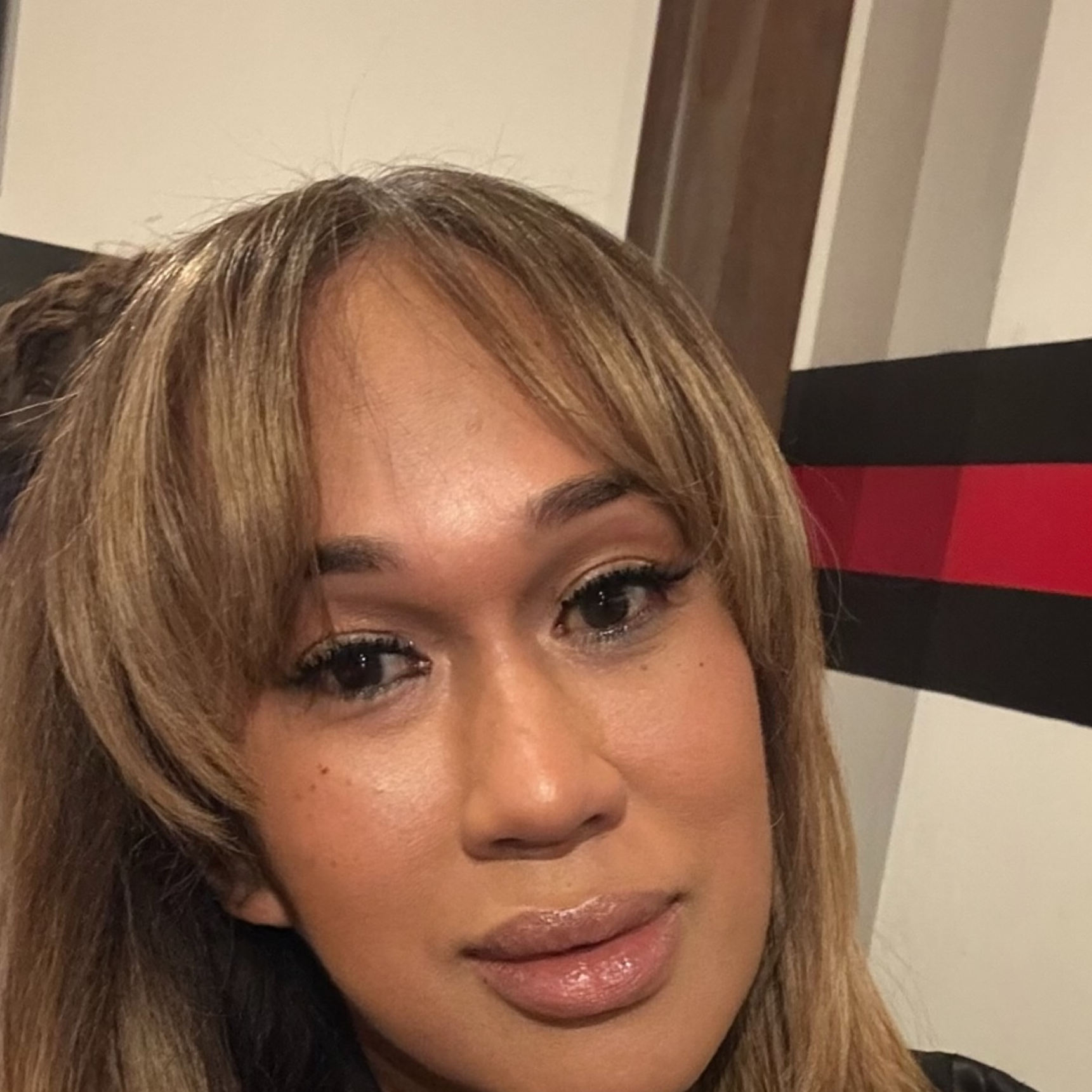
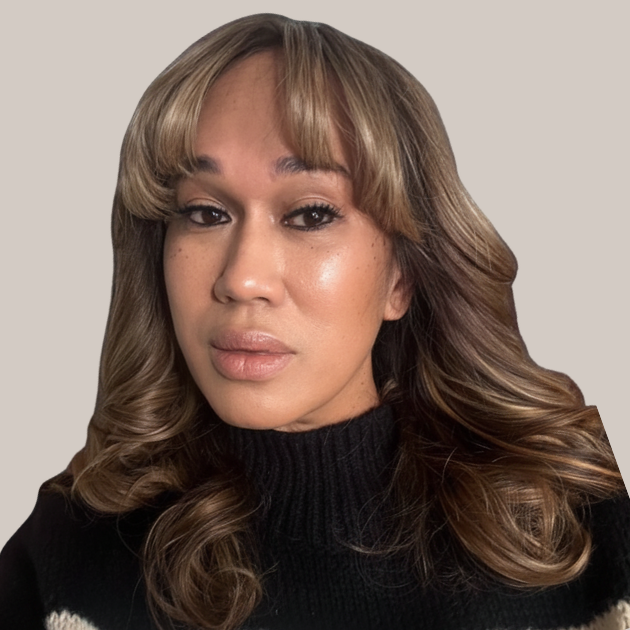
Desiree Sales, MSW, ACSW, is a therapist at CRI-Help who provides compassionate, client-centered care to individuals experiencing substance use and co-occurring mental health disorders. She holds a Master of Social Work (MSW) and is an Associate Clinical Social Worker (ACSW), bringing both academic training and clinical experience in behavioral health treatment settings. She is committed to supporting individuals in recovery by helping clients develop insight, strengthen coping skills, and build stability in their lives. Her clinical approach is grounded in empathy, structure, and evidence-based practices, while maintaining respect for each client’s lived experience and autonomy. In her role at CRI-Help, she serves diverse populations impacted by addiction, trauma, incarceration, and systemic challenges. She is dedicated to empowering clients to build resilience and work toward sustainable recovery and improved overall well-being.
Entering this profession of Drug and Alcohol recovery specifically in the LGBTQI+ communities in 1988 I have had over nearly four decades to watch the evolution of "treatment". The first decade of my work I would define as navigating HIV/AIDS while working with one the the most highly impacted communities gay men and transgender women. Treatment was evolving for "AIDS" at the time yet there were the many who wanted to achieve sobriety that took unique and patient specific treatment - back then drug and alcohol treatment was largely "cookie cutter" . My next decade was defined by the explosion of crystal meth and very high risk sex which may or may not have meant many were going off of or forgetting to take HIV medications which had progressed to truly life-saving. My third decade has been about helping a "community" of survivors accept the grief that has been a part of so many lives both currently sober and those not yet sober. This last decade has encompassed COVID and keeping a residential drug and alcohol treatment home "open" and insuring we were taking all precautions to remain "COVID Free" - supporting residents with their sobriety who never went to outside meetings, had not experienced "fellowship" - many were two years sober before meetings opened back up.

Financially Sponsored By

  • Sero Mental Health: Breathe Life Healing Center