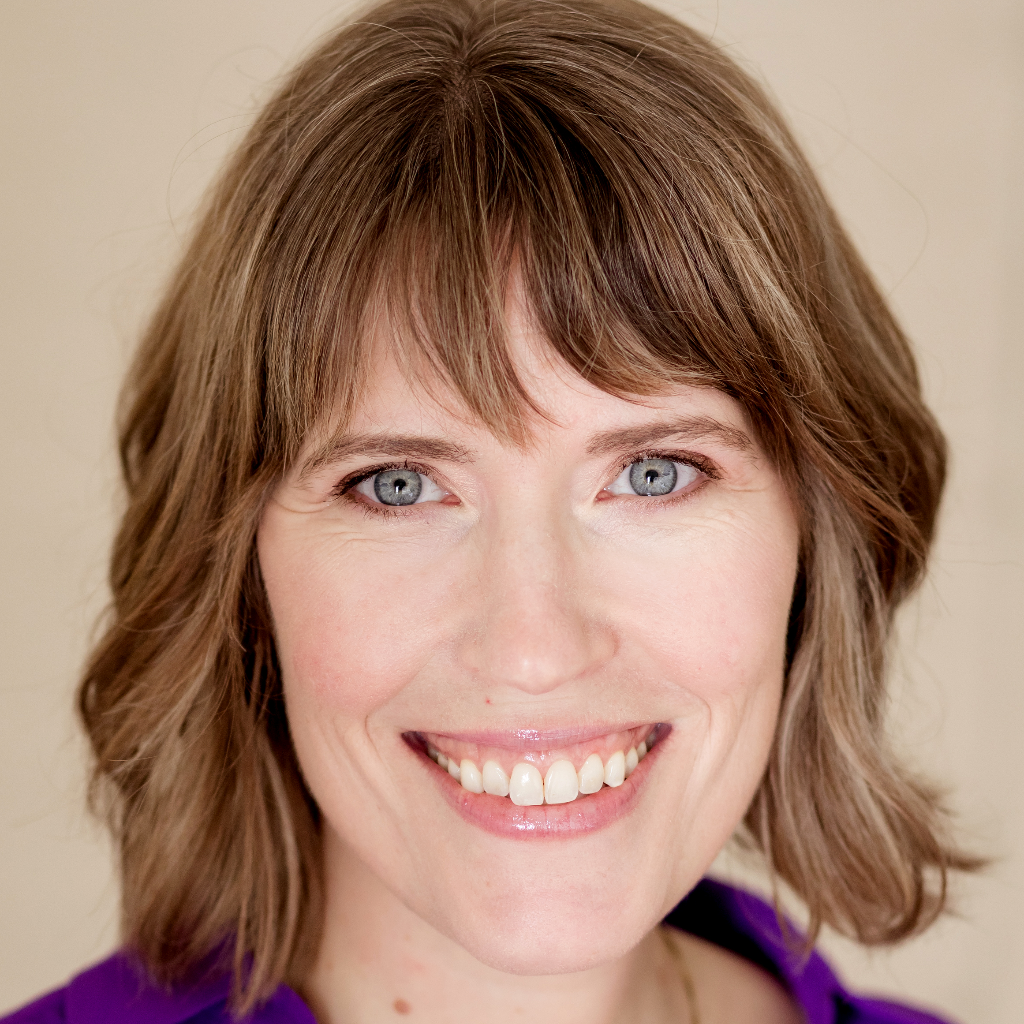
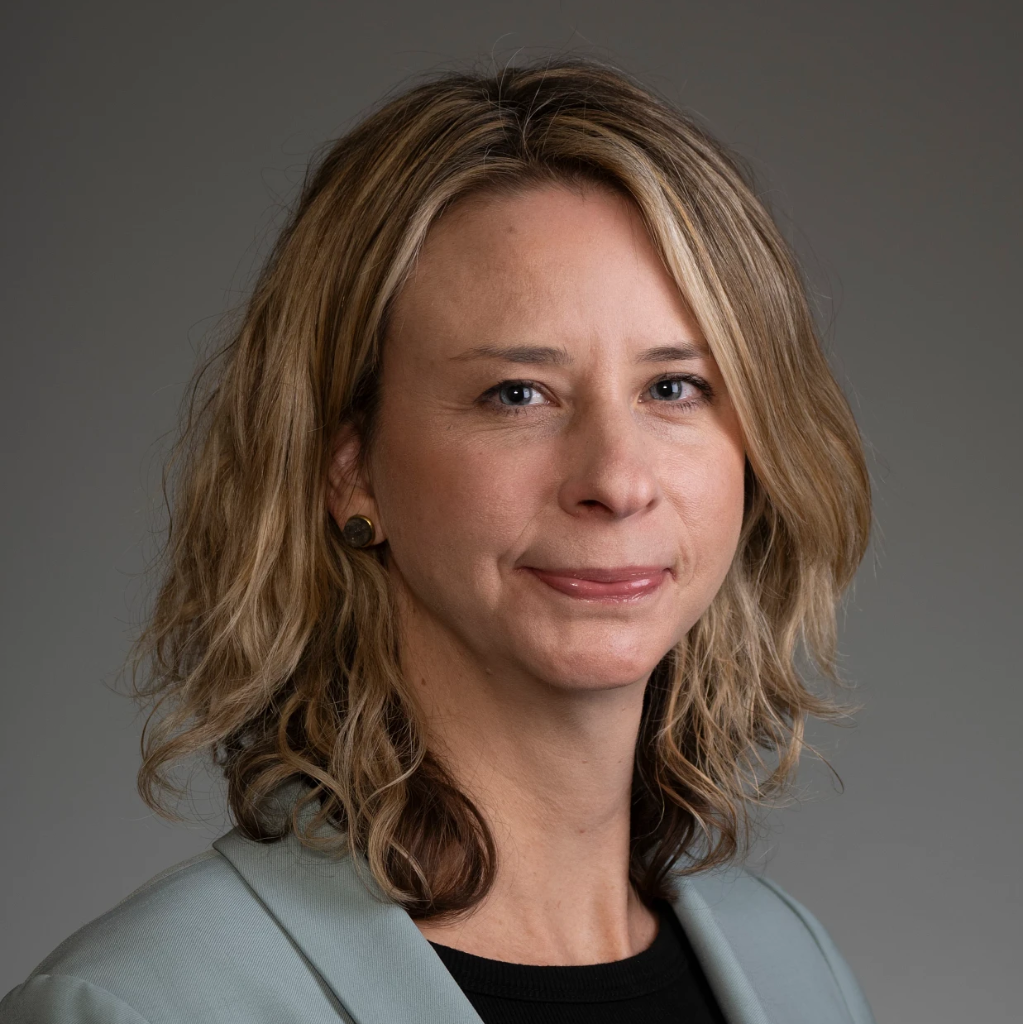
Ryan Colby Rogers, EdD, LPC
Dr. Ryan Colby Rogers, EdD, LPC, is the Clinic Manager of the Sturm Center at the University of Denver’s Graduate School of Professional Psychology, where he oversees clinical training and behavioral health services specializing in military veterans, active service members, and their families. He also serves as a Clinical Assistant Professor at the University of Denver, teaching doctoral- and master's-level courses in substance use disorders, adolescent diagnosis and treatment, and military psychology. Dr. Rogers earned his Doctor of Education in Counselor Education and Supervision from Argosy University and his Master of Education in School and Community Counseling from the University of Tennessee at Chattanooga, and he has maintained an active credential as a Licensed Professional Counselor in Colorado since 2015.
With more than 20 years of direct client care experience in mental health, Dr. Rogers is a founding partner in a clinical private practice with Dr. Katherine Ferrara, bringing extensive counseling expertise to the treatment of trauma, PTSD, anxiety, and mood disorders across adult and adolescent populations. His clinical and administrative career encompasses work in inpatient psychiatric units, long-term residential treatment facilities, and juvenile justice environments, where he facilitated violent offender Negative Peer Association and Gang Association groups within maximum-security settings. In addition, Dr. Rogers has served as an expert witness and clinical consultant in court proceedings and Child Protective Services cases, led targeted violence prevention initiatives under Department of Homeland Security grants, and conducted notable research examining recidivism rates and gang recruitment dynamics in correctional institutions.
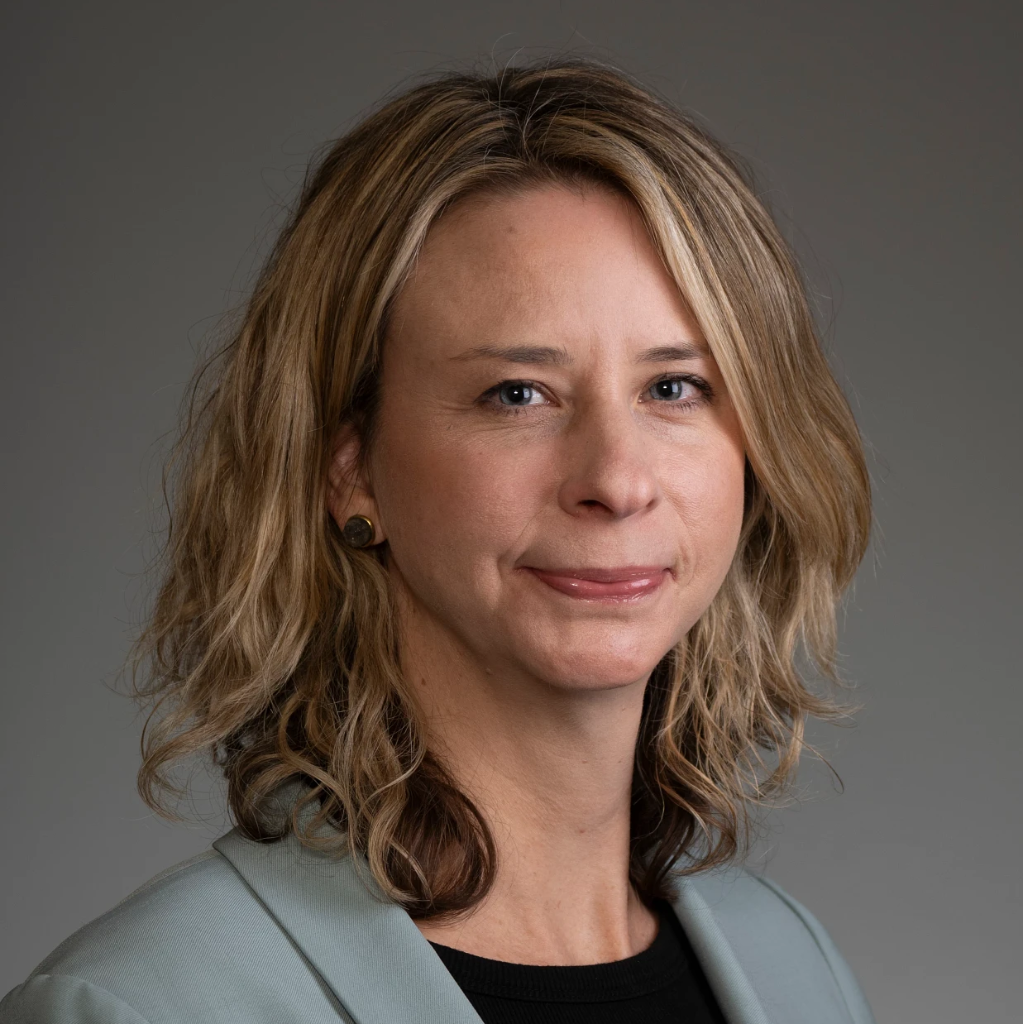
Tracy E. Moran Vozar, Ph.D., PMH-C, IMH-E® (IV-R), is a Licensed Clinical Psychologist and an internationally recognized expert in perinatal, infant, and early childhood mental health. She currently serves as the Interim Executive Director of the Butler Institute for Families and Visiting Research Professor in the Graduate School of Social Work at the University of Denver, as well as the Division Head of Clinical and Health Psychology and Director of the Perinatal Wellness Program at Endeavor Health with academic affiliation at the University of Chicago. Dr. Vozar earned her Master of Arts and Doctor of Philosophy in Psychology from Washington University in St. Louis and the University of Iowa, followed by pre-doctoral internship and post-doctoral fellowship training in infant mental health and clinical psychology at the Tulane University School of Medicine. She maintains active psychology licensure in Illinois, Colorado, and Virginia, along with practice authority through PSYPACT, and holds advanced credentials including Perinatal Mental Health Certification (PMH-C) and Level IV Infant Mental Health Endorsement (IMH-E® Mentor – Research/Faculty). With over fifteen years of specialized clinical, academic, and research leadership, Dr. Vozar has served as principal investigator on numerous federally and foundation-funded initiatives, authored dozens of peer-reviewed publications and book chapters, and directed clinical specialty training clinics dedicated to perinatal mood disorders, infant-caregiver attachment, trauma, and family well-being.
Dr. Kathryn (Katy) Barrs, PsyD, completed her doctorate in clinical psychology at the University of Denver in 2007. She is currently an Associate Clinical Professor in the Military Psychology specialty at the Graduate School of Professional Psychology at the University of Denver. After ten years of working for the Department of Veteran Affairs, she returned to the University of Denver eleven years ago to start and serve as the Clinic Director of the Sturm Center, a training clinic which serves Veterans, service members and their families. She is also the principal investigator and co-author of the Strengthening Bridges Project military family grant, which hits close to home for her as she grew up in a military family. Dr. Barrs has provided direct psychological services and supervision at the Minneapolis V.A. Medical Center, the Boston V.A. Healthcare System, and the Denver Vet Center, where she served in the role of Military Sexual Trauma Treatment Coordinator. She has been featured in the documentary, Acronym, a timely expose about the nature of combat related PTSD. Dr. Barrs is also the 2016 recipient of the American Psychological Association's Society for Military Psychology (Division 19) Arthur W. Melton Early Achievement Award. She also won the VFW Post 1 Citizen of the Year Award in 2019. Several years ago, she completed Naropa University's Psychedelic Assisted Therapy Certification and Elemental Psychedelics' Advanced Psilocybin Facilitator training track. Dr. Barrs also provides psilocybin facilitation services at Numia Healing Center in Denver and maintains a small private practice at Cactus Flower Center for Resiliency.
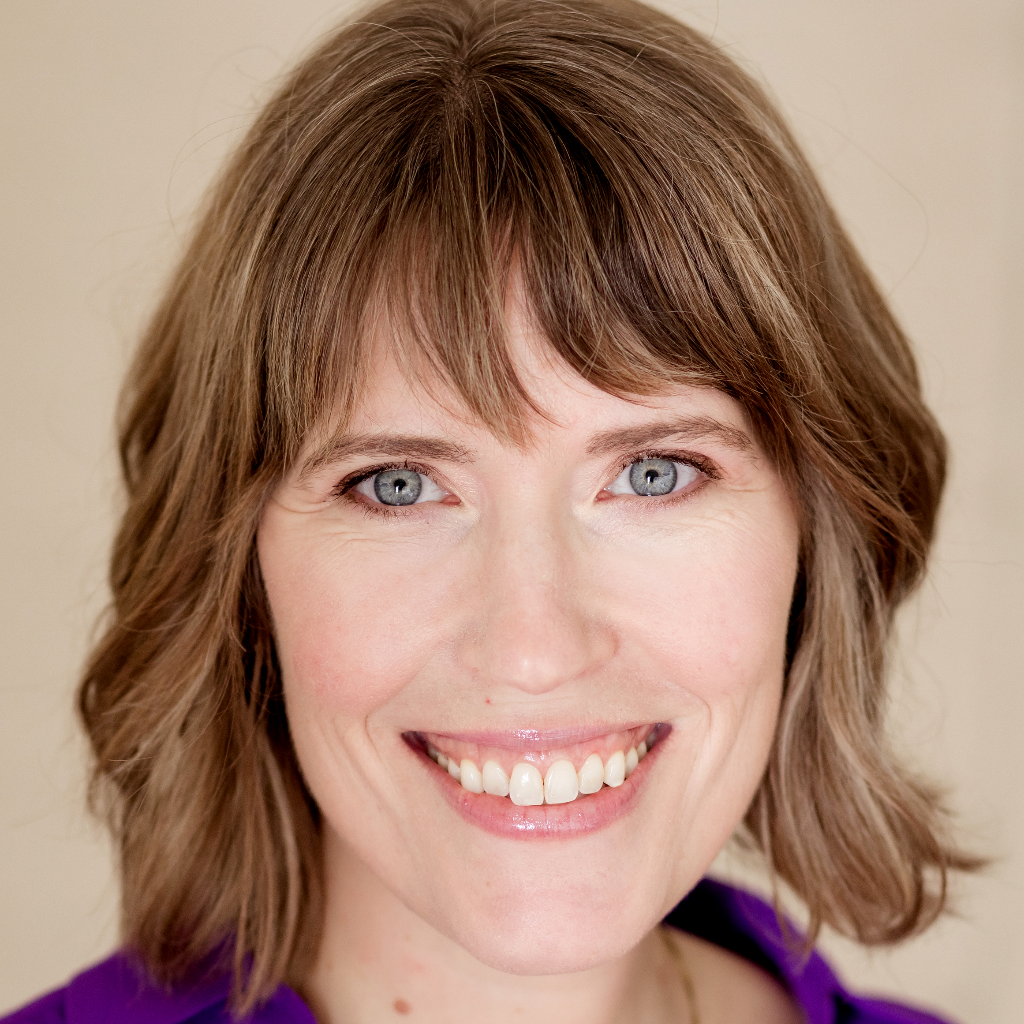
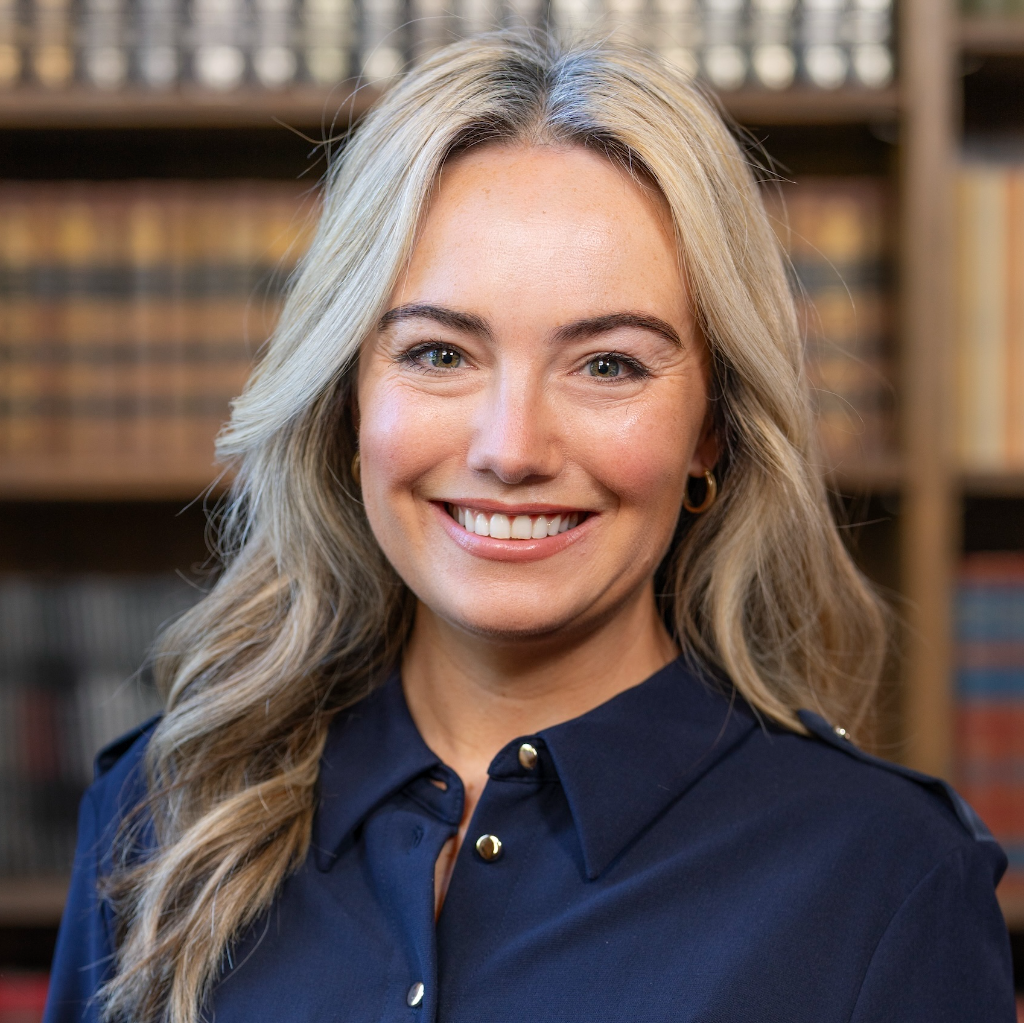
Kelly Lavin Elliott, Ph.D., IMH-E®
Kelly Lavin Elliott, Ph.D., IMH-E®, is an Assistant Research Professor at the University of Denver Graduate School of Professional Psychology and the Founder and Principal Investigator of the Baby S.T.E.P.S. Lab. In this role, Dr. Elliott directs community-engaged research programs focused on infant and early childhood mental health, caregiver-child relationship dynamics, social-emotional intelligence, and play-based developmental interventions. She has secured more than $3.5 million in grant funding across federal, state, and foundation awards to develop, implement, and evaluate evidence-based psychoeducation and early literacy initiatives for families and early childhood educators. In addition to mentoring doctoral students and training clinicians in attachment- and play-based therapeutic models, Dr. Elliott teaches graduate-level courses in cognitive and affective psychology, lifespan development, and advanced research methodology. She holds a Doctor of Philosophy in Human Development from The Catholic University of America and a Master of Arts in Counseling Psychology from the University of Denver. Dr. Elliott is a Certified Trainer in the Integration of Working Models of Attachment into Parent-Child Interaction Therapy (IoWA-PCIT), holds a Level 4 Research Faculty and Mentor Endorsement (IMH-E®) from the Colorado Association for Infant Mental Health, and serves on the Editorial Board of the *International Journal of Birth and Parent Education*.
 Google
 Outlook.com
 Yahoo