Open help menu
Live Webinar In Person

SPM-2 in Autism Care: Driving Interdisciplinary Collaboration

|

Pricing

Information

Date & Time

Location

Learning Objectives

Participants will be able to:

  • Interpret SPM-2 domain scores to differentiate sensory processing patterns from other clinical drivers of emotional and behavioral dysregulation.

  • Apply SPM-2 findings to develop targeted, measurement-based interventions that support treatment planning, crisis de-escalation, and functional improvement.

  • Integrate SPM-2 data into interdisciplinary communication across clinical, educational, residential, and behavior therapy settings to enhance coordination of care and continuity of outcomes.

Educational Goal

Participants will strengthen their clinical sophistication by integrating SPM-2 data into a measurement-based care framework to guide differential understanding, treatment planning, and interdisciplinary coordination. They will leave with practical skills to translate sensory assessment findings into targeted interventions, crisis de-escalation strategies, and communication approaches that improve outcomes across settings.

Description

This workshop presents the SPM-2 as a practical tool within a measurement-based care framework to strengthen interdisciplinary collaboration in autism treatment. Participants will learn how repeated sensory assessments inform treatment planning, monitor functional change, and guide coordinated, data-informed care across outpatient, inpatient, residential, community, and behavior therapy programs. Emphasis is placed on aligning teams around shared functional targets, consistent intervention strategies, crisis de-escalation approaches, and ongoing communication to support continuity and measurable outcomes. Through applied case examples, participants will translate SPM-2 scores into targeted interventions and communication strategies that improve emotional and behavioral regulation, reduce self-harm and suicide risk, and enhance overall treatment engagement.

Target Audience

  • Addiction Professional
  • Counselor
  • Marriage & Family Therapist
  • Psychologist
  • Social Worker

Presenters

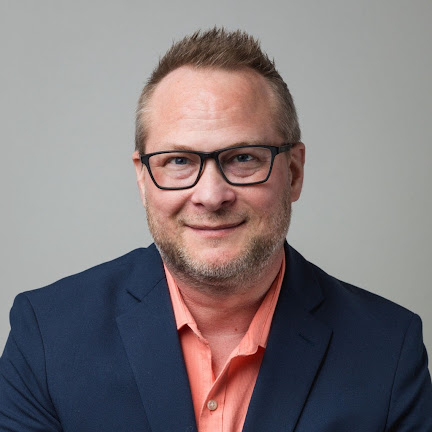
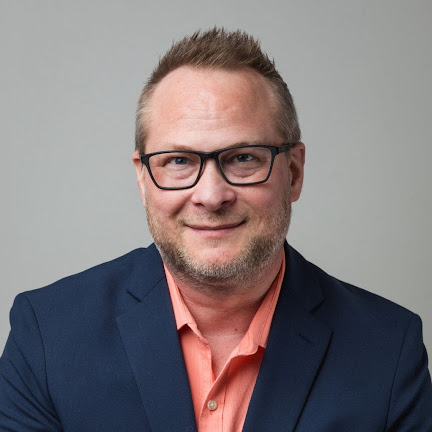
Jason H. King, Ph.D., LCMHC-S, holds a Post-Doctoral Certificate in Management—Leadership and Organizational Strategy, a doctorate in Counselor Education and Supervision, a master’s degree in Mental Health Counseling, and a Bachelor of Science in Human Development and Family Studies with a minor in Psychology. He brings more than 20 years of experience across clinical, academic, and organizational leadership settings. In 2012, he was recognized by the American Mental Health Counselors Association as Mental Health Counselor of the Year. Dr. King served as a Collaborating Investigator in the American Psychiatric Association’s Routine Clinical Practice field trials that informed development of the Diagnostic and Statistical Manual of Mental Disorders, Fifth Edition; his contribution is formally acknowledged in the Diagnostic and Statistical Manual of Mental Disorders, Fifth Edition, Text Revision. He is the content editor for *Diagnostics and Family Systems* and has developed widely used continuing education courses focused on the DSM-5-TR and applied diagnostic practice. In addition, Dr. King has served as a Behavioral Health Clinical Panel Member with Stanford University Health Policy Center, contributing to research on community-level quality indicators related to suicide risk, serious mental illness, substance use, mood and anxiety disorders, psychotic disorders, and interpersonal violence. Dr. King has delivered more than 200 continuing education presentations nationwide. His areas of expertise include DSM-5-TR diagnostic application, co-occurring and complex conditions, clinical supervision, applied ethics, family systems and adolescent treatment, psychopharmacology, and clinician wellness.
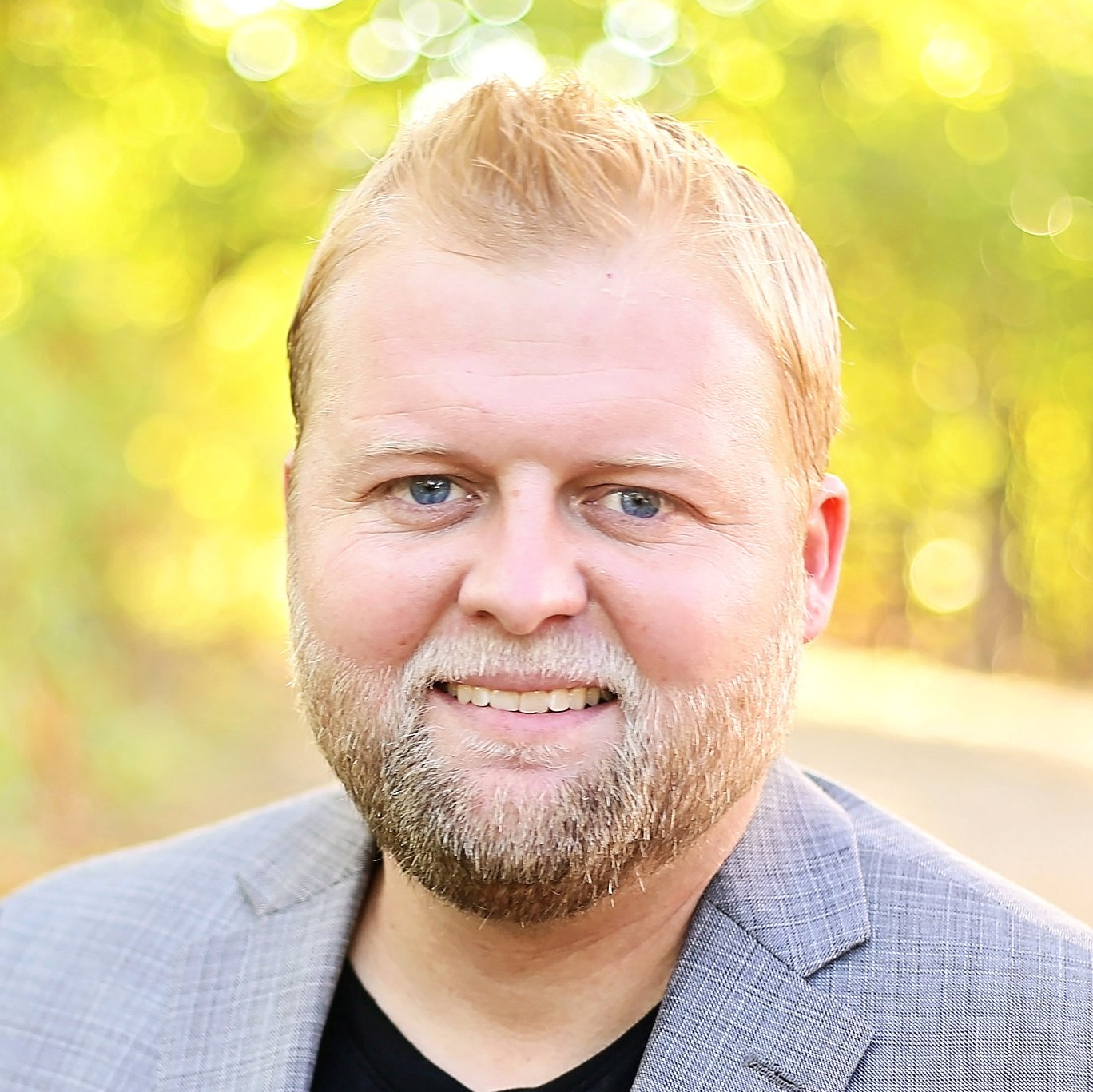
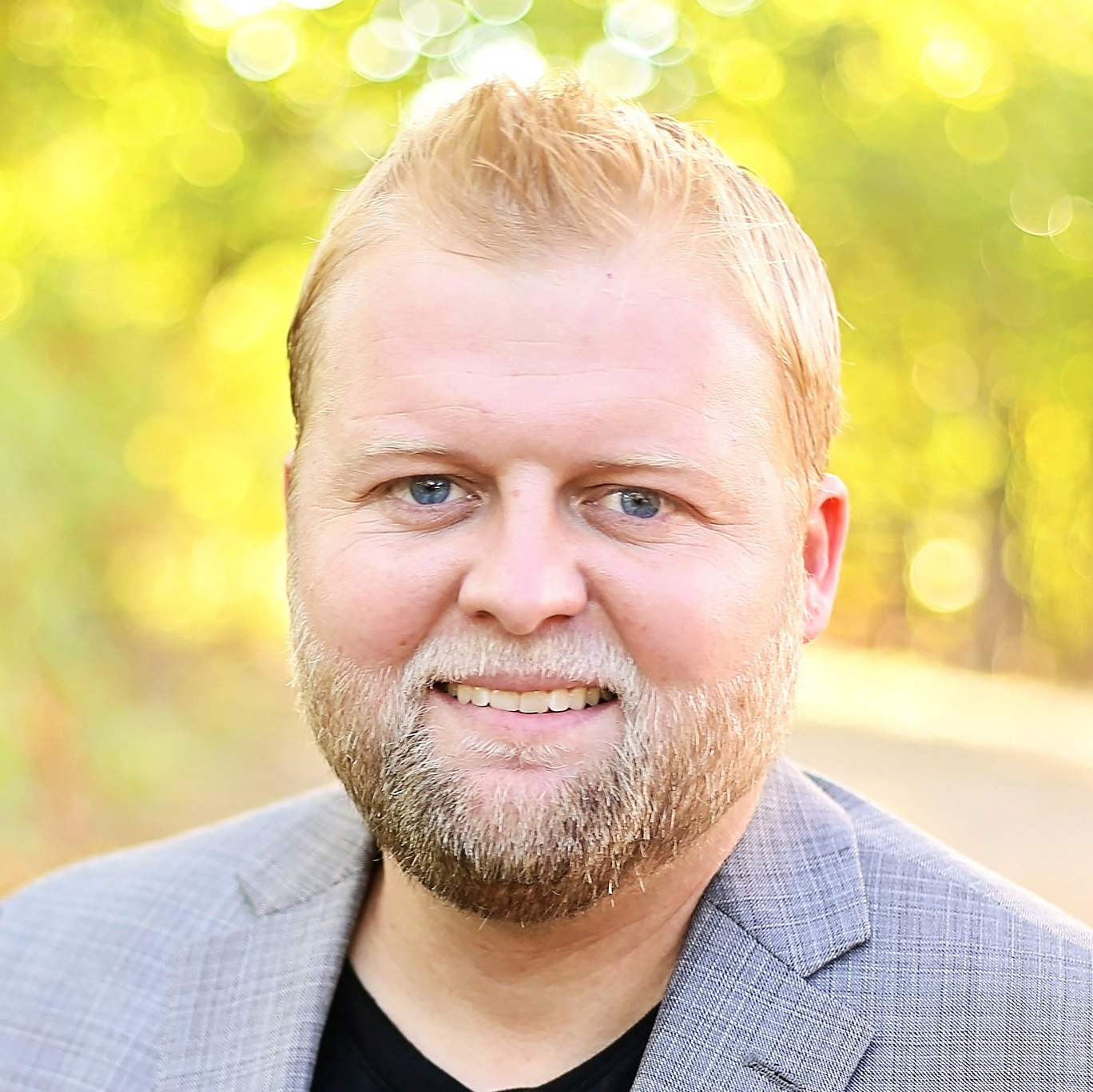
Steven DeMille PhD, MBA, LCMHC is the Executive Director for RedCliff Ascent, an Outdoor Behavioral Healthcare program. He specializes in working with struggling adolescents, young adults, and families. Steven has a PhD in Counselor Education and Supervision and is a Licensed Clinical Mental Health Counselor in the state of Utah. His research interests include adolescent treatment interventions, Outdoor Behavioral Healthcare, and effectiveness research. Steven has presented on adolescent interventions as various national and international conferences and his current focus is on the impact of nature and the outdoors on adolescent and family therapy.

Financially Sponsored By

  • Ascent Behavioral Health