Open help menu

Pricing

Information

Date & Time

Description

This session traces healing as a relational practice across historical, cross-cultural, and modern clinical traditions. Participants will examine foundational contributors such as Carl Rogers, Edward Bordin, and Irvin Yalom, while also situating Care Predictor within the broader historical lineage of alliance research. The emphasis is on understanding CPI not as a replacement for relational wisdom, but as a psychometric evolution of long-standing clinical truths about the centrality of human connection in healing.

Educational Goal

Participants will explore how many modern alliance principles are rooted in long-standing healing traditions: safety, attunement, witnessing, collaboration, and human presence. This session helps clinicians place their work in a broader lineage and understand that relational effectiveness is not a new trend, but a recurring truth rediscovered across eras and cultures. Clinicians will also reflect on how current systems of care sometimes fragment relationships and why intentional relational practice is increasingly important.

Milestone / Homework Assignment

Choose one historical figure or healing tradition from the session

Write a 1-page reflection on:

What core relational principle from this figure/tradition still matters in my work?

Where do I see it in my own practice?

Where do I see modern systems pulling clinicians away from it?

Add one paragraph connecting that principle to something CPI attempts to measure or make more visible.

NOTE: This assignment should begin building language we may want to use later in the capstone when describing relational philosophy.

Presenters
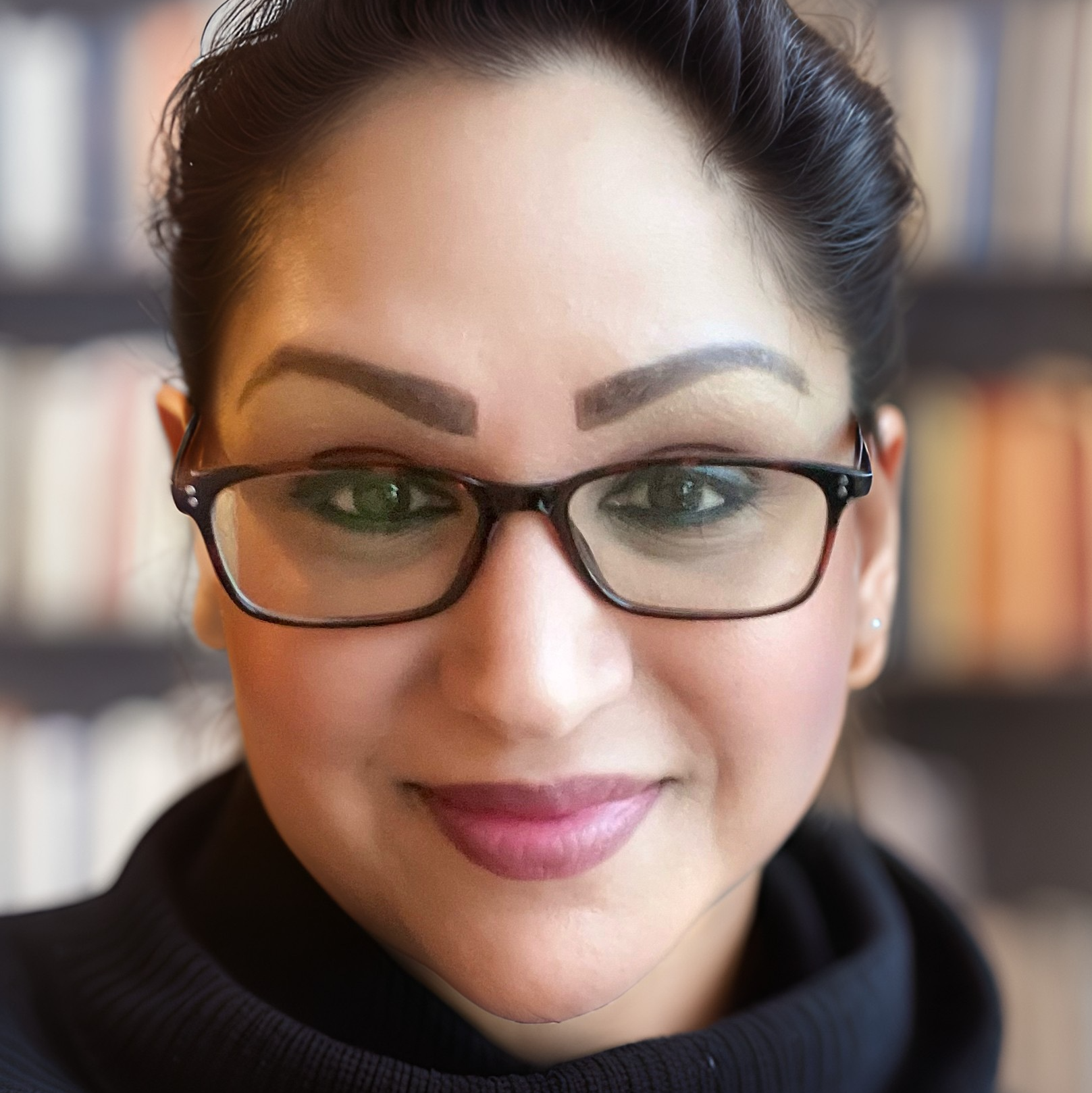
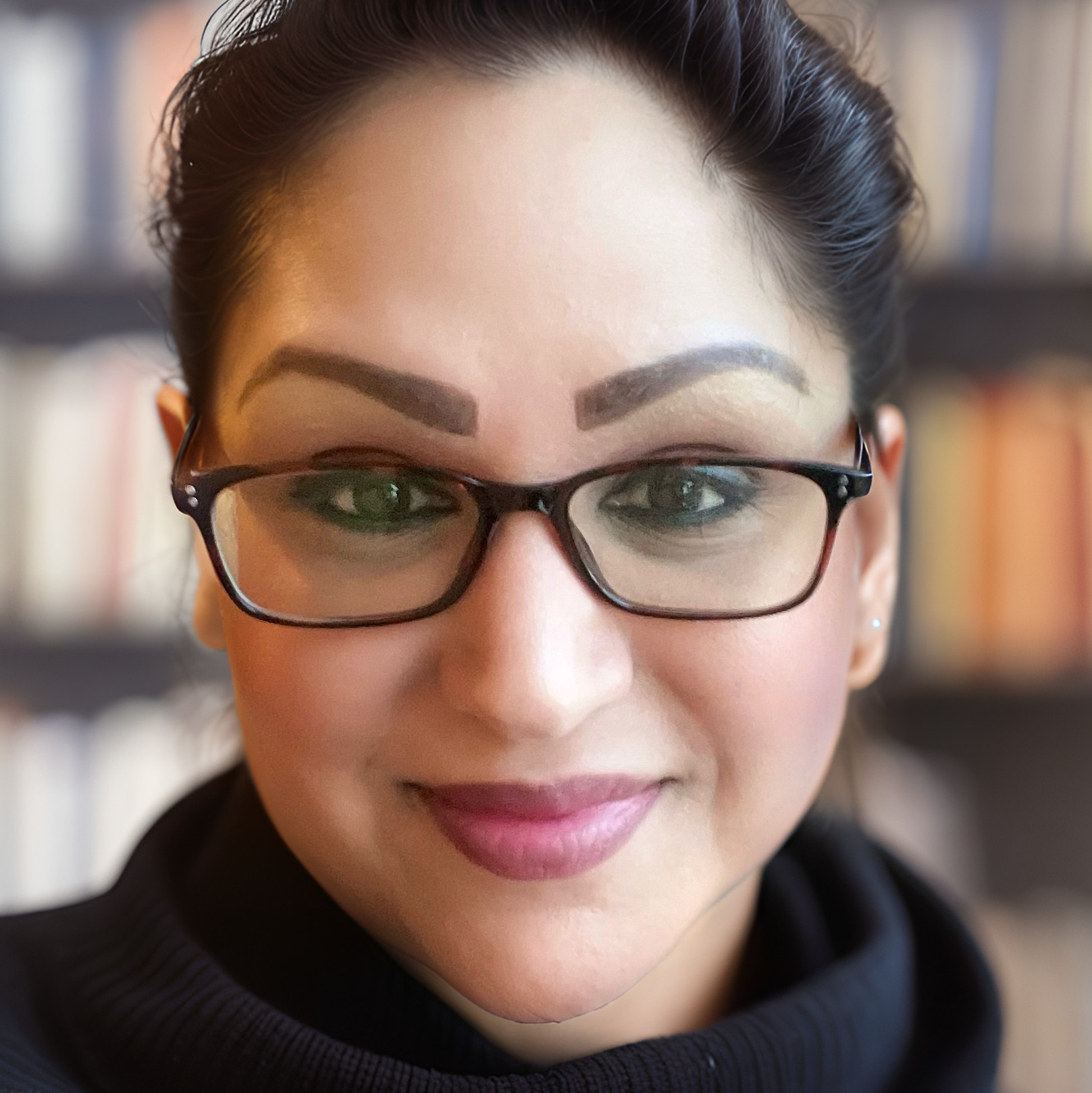
Dr. Malasri “Mala” Chaudhery-Malgeri, Ph.D., CBIS is an executive leader, psychologist, and strategist who helps organizations and high-performing individuals turn complexity into clear, repeatable outcomes. She operates at the intersection of behavioral science, clinical quality, and program execution—translating human motivation and real-world constraints into systems that improve adoption, performance, and trust. Her work spans executive leadership and advisory roles across tech-enabled healthcare and behavioral health, with a focus on outcomes strategy, measurement frameworks, and “connection-to-care” design that reduces friction from first interest to next-step action. A sought-after speaker and panelist, Dr. Mala brings a rare blend of boardroom fluency and clinical depth. She speaks on Blueprint to Bridge leadership (turning strategy into delivery), workplace optimization and burnout prevention, behavior design for follow-through, recovery literacy (outcomes plus storytelling), clinical quality as a differentiator, rural systems of care, and intergenerational trauma and family systems. Known for an engaging, direct style—equal parts rigorous and human—she equips audiences with practical frameworks, language, and tools they can apply immediately. Dr. Mala’s expertise includes trauma and stress-related conditions (including PTSD), rehabilitation-focused psychology, military-informed care, performance and resilience, relationship and family systems, and integrative approaches that draw from both Western psychology and Eastern philosophy. Whether addressing executives, clinicians, educators, or community leaders, she is committed to making progress measurable, culture actionable, and care more accessible—building the bridge from intent to impact.

Financially Sponsored By

  • Care Predictor