Open help menu

Pricing

Information

Date & Time

Description

This session explores why humans heal in relationships and how nervous-system regulation shapes trust, disclosure, engagement, and alliance formation. Participants will examine polyvagal theory, neuroception, co-regulation, the social brain, and relational intelligence as core mechanisms of therapeutic effectiveness. Particular attention will be given to how clinicians perceive, interpret, and respond to relational cues in real time—and how these moment-to-moment capacities influence psychological safety, alliance stability, and treatment engagement. The session also links the neurobiology of connection to the traits measured by Care Predictor, helping clinicians understand how regulation, relational steadiness, and relational intelligence show up both in the room and in psychometric profiles.

Educational Goal

Participants will explore how relational intelligence shows up in practice through pacing of questions, management of silence, tone, prosody, facial expression, accurate empathy without over-identification, and maintaining connection without losing structure. The session emphasizes that strong alliance is not built through warmth alone, but through the clinician’s ability to remain steady, perceptive, and responsive under pressure.

Milestone / Homework Assignment

Homework: Relational Intelligence Observation Log For 3 clinical encounters this week, document:

One moment where you noticed a relational cue (withdrawal, softening, guardedness, urgency, over-compliance, etc.)

What you think the patient’s nervous system may have been signaling

What your own nervous system did in response

How you adjusted timing, pacing, tone, or boundary stance whether the interaction became safer, less safe, or stayed neutral

Then write a short reflection:

When am I warm but not necessarily useful?

When am I regulated enough to be a stabilizing presence?

Presenters
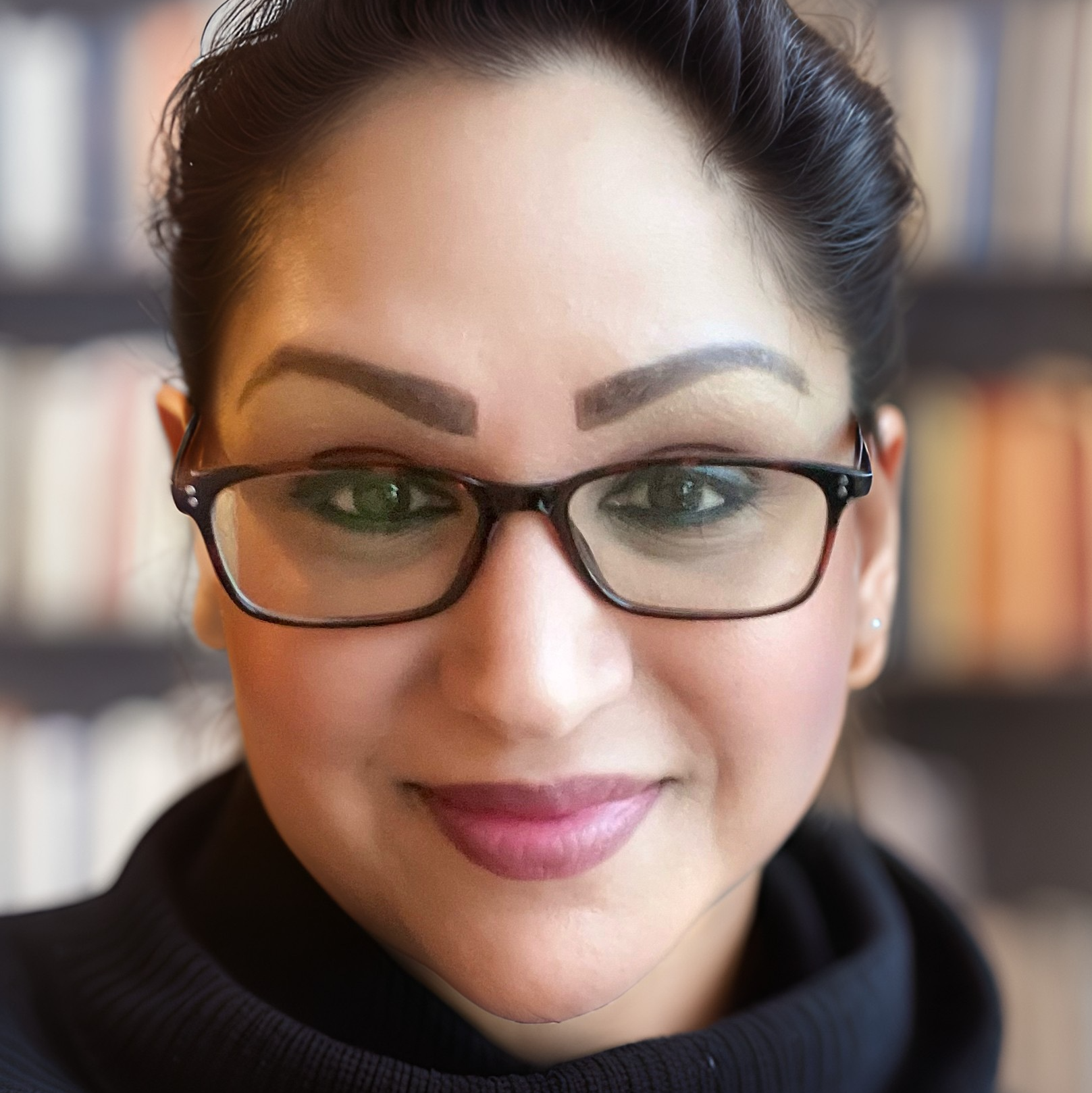
Dr. Malasri “Mala” Chaudhery-Malgeri, Ph.D., CBIS is an executive leader, psychologist, and strategist who helps organizations and high-performing individuals turn complexity into clear, repeatable outcomes. She operates at the intersection of behavioral science, clinical quality, and program execution—translating human motivation and real-world constraints into systems that improve adoption, performance, and trust. Her work spans executive leadership and advisory roles across tech-enabled healthcare and behavioral health, with a focus on outcomes strategy, measurement frameworks, and “connection-to-care” design that reduces friction from first interest to next-step action. A sought-after speaker and panelist, Dr. Mala brings a rare blend of boardroom fluency and clinical depth. She speaks on Blueprint to Bridge leadership (turning strategy into delivery), workplace optimization and burnout prevention, behavior design for follow-through, recovery literacy (outcomes plus storytelling), clinical quality as a differentiator, rural systems of care, and intergenerational trauma and family systems. Known for an engaging, direct style—equal parts rigorous and human—she equips audiences with practical frameworks, language, and tools they can apply immediately. Dr. Mala’s expertise includes trauma and stress-related conditions (including PTSD), rehabilitation-focused psychology, military-informed care, performance and resilience, relationship and family systems, and integrative approaches that draw from both Western psychology and Eastern philosophy. Whether addressing executives, clinicians, educators, or community leaders, she is committed to making progress measurable, culture actionable, and care more accessible—building the bridge from intent to impact.

Financially Sponsored By

  • Care Predictor