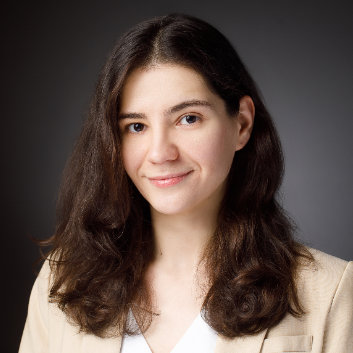
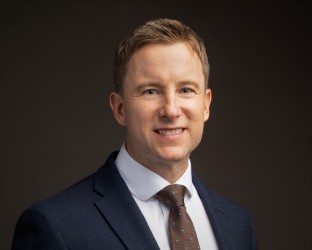
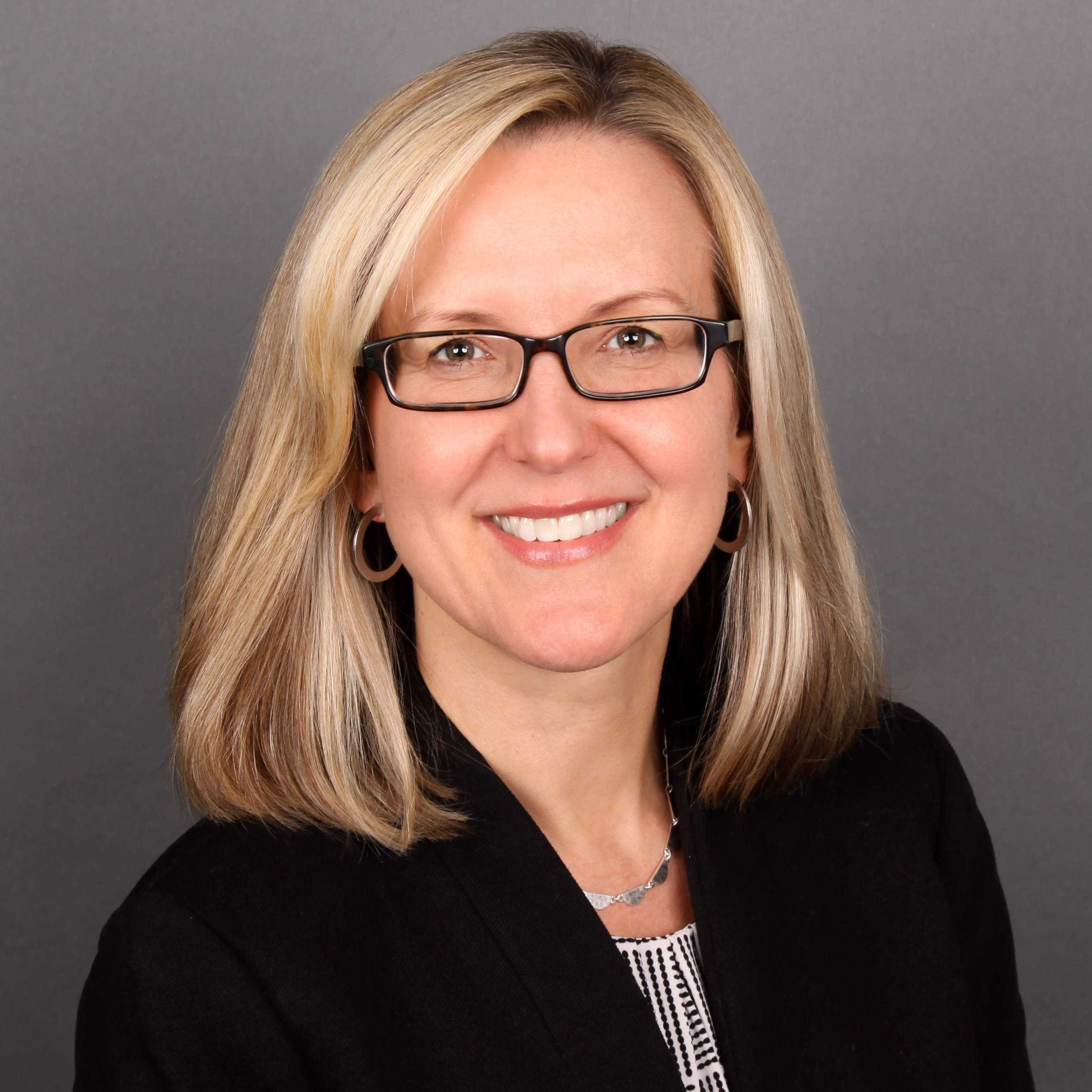
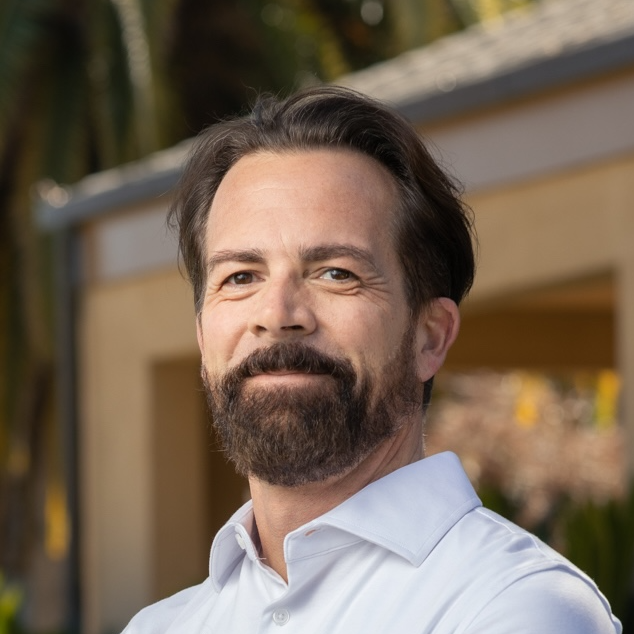
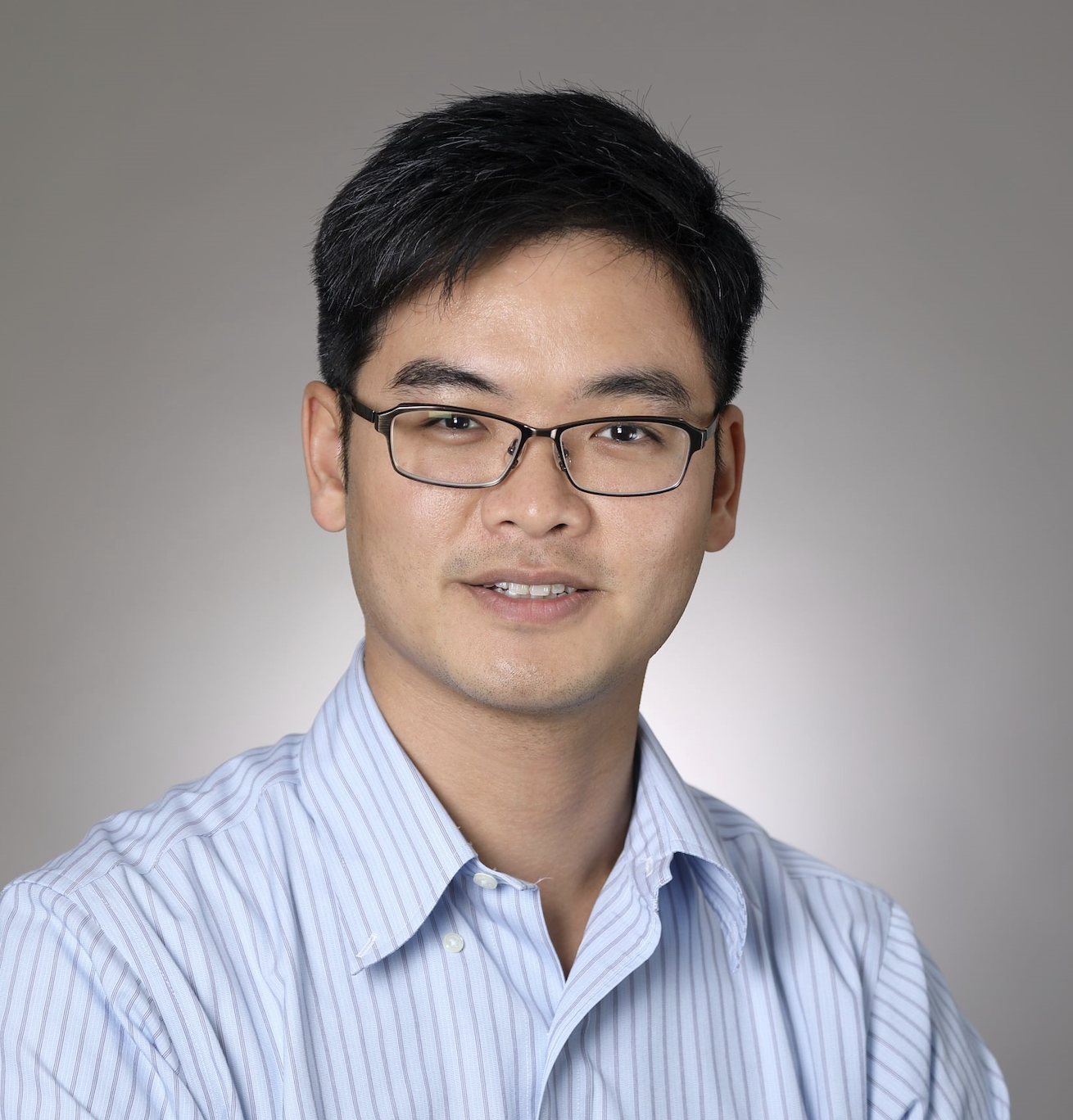
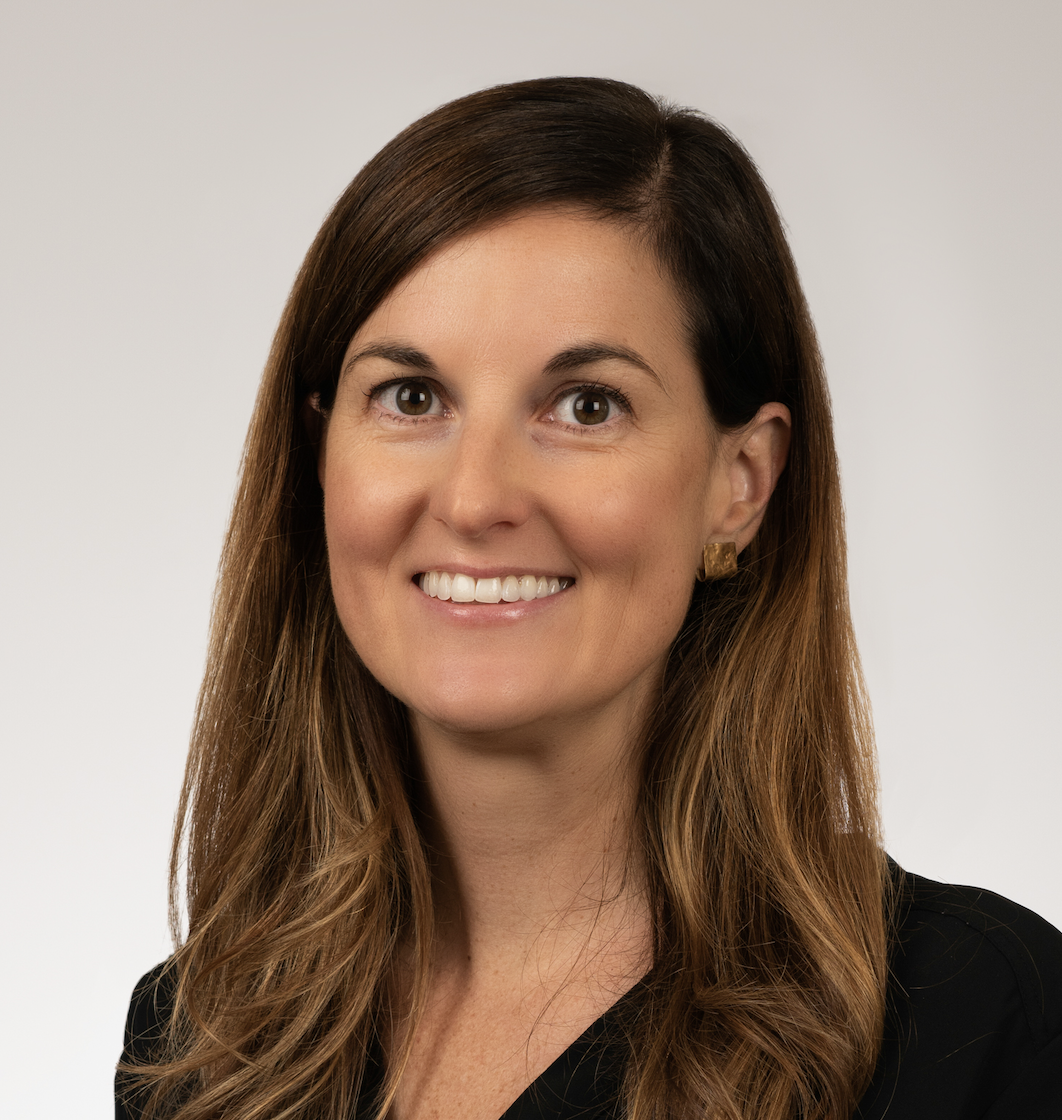
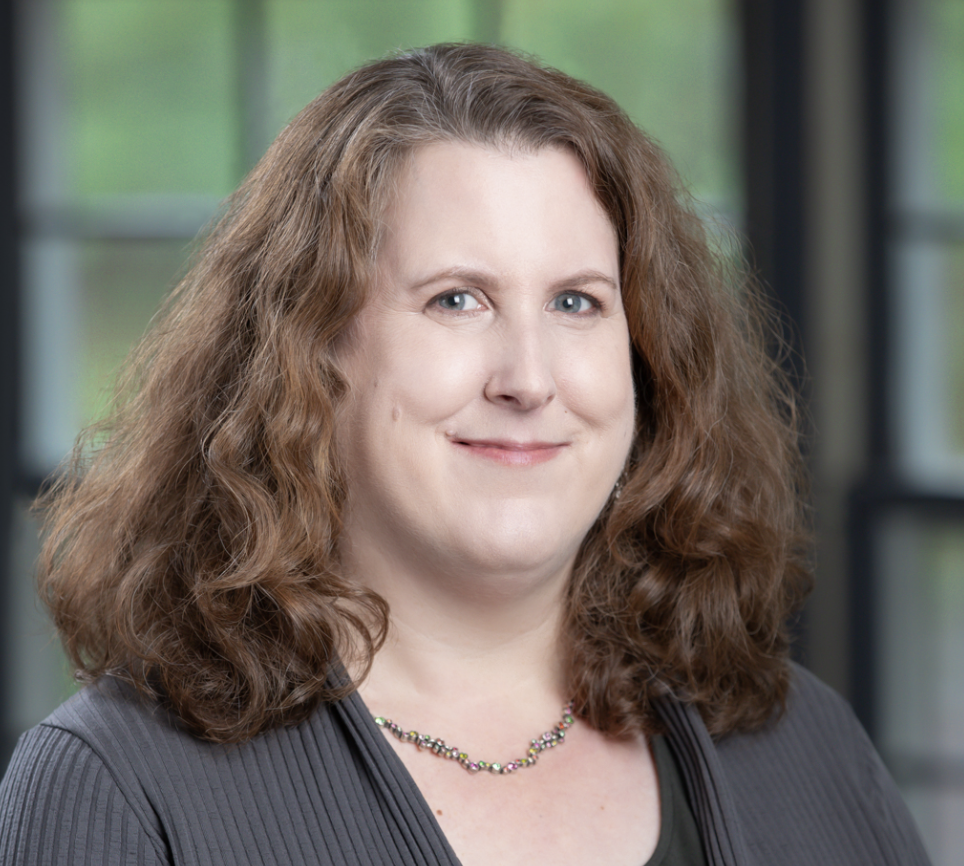
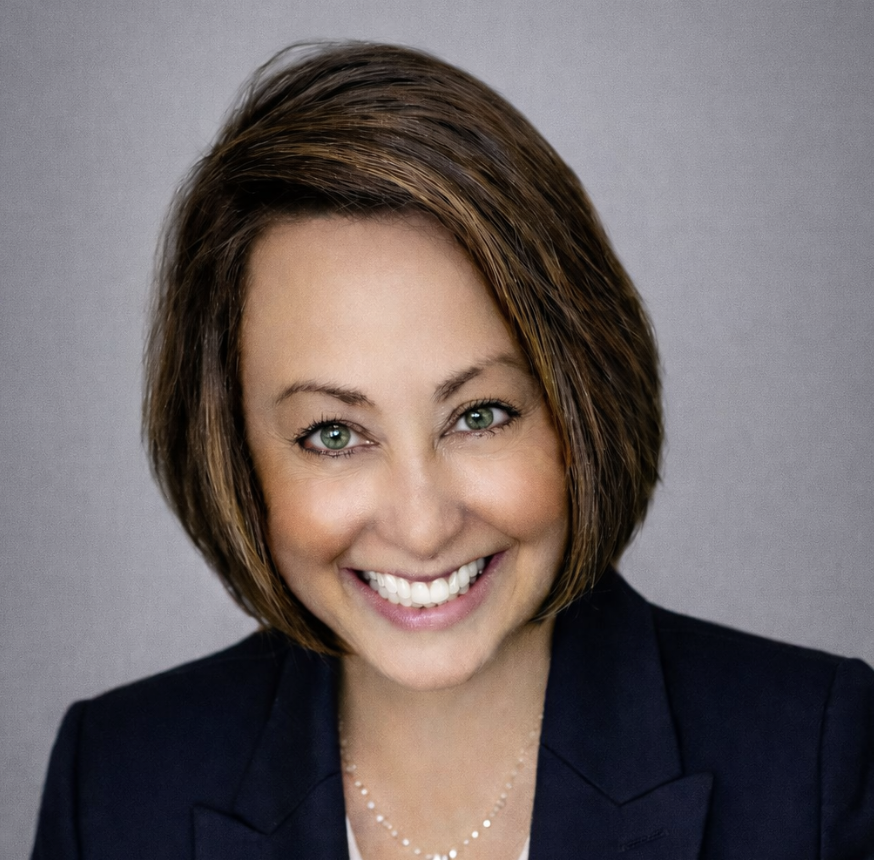
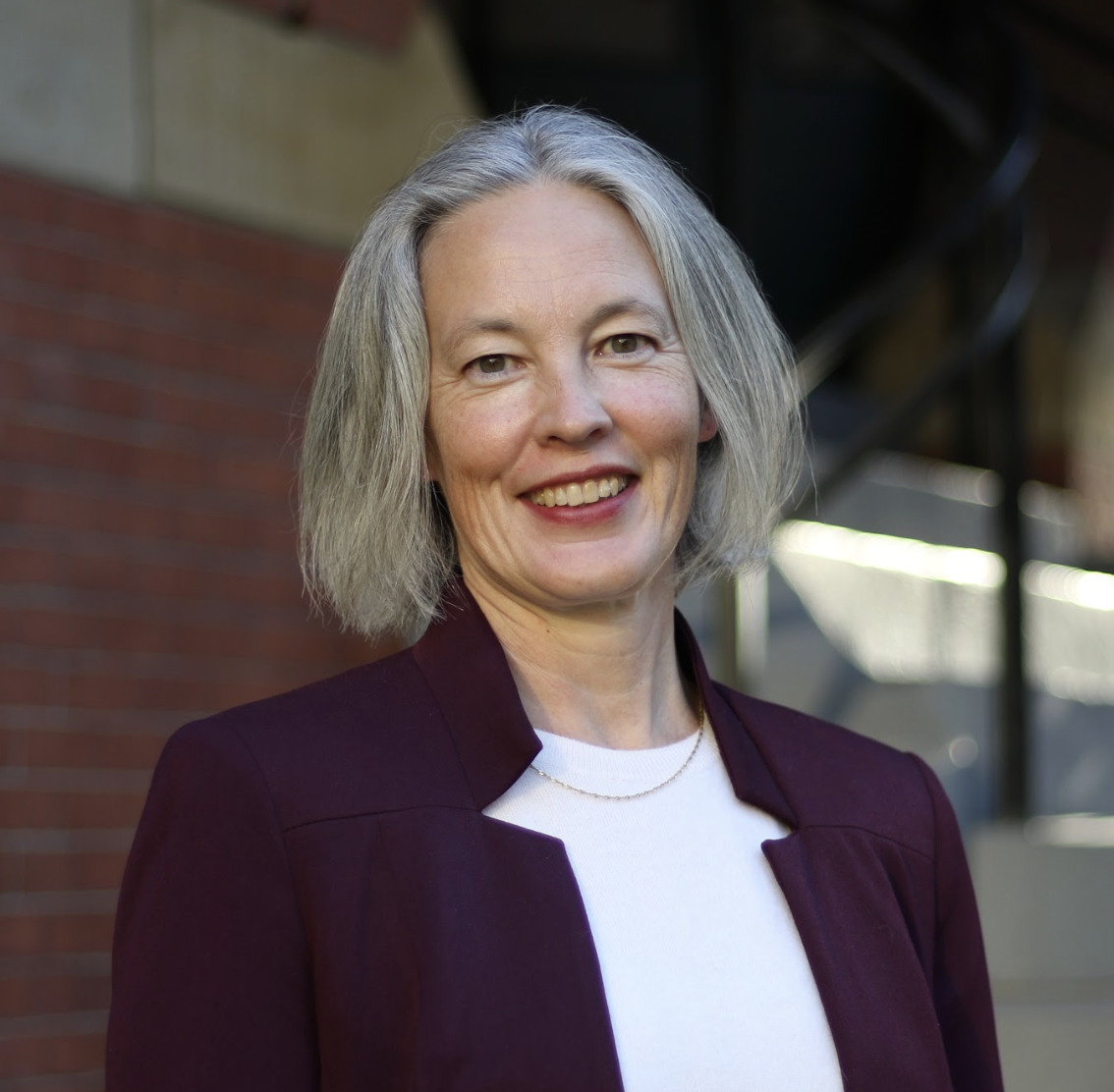
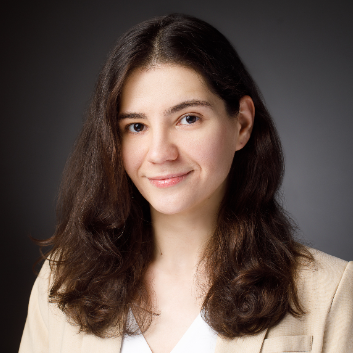
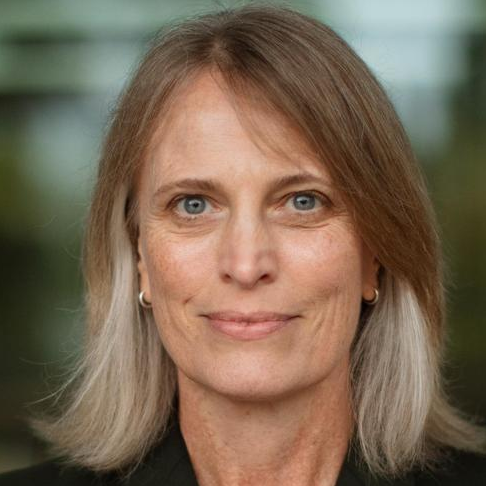
Dr. Milena Radoman is a neuroscientist whose work focuses on substance misuse and its co-occurrence with psychiatric and physical conditions, particularly chronic pain. Her current research uses behavioral, psychophysiological, and neuroimaging approaches to examine how the brain’s response to uncertainty links negative affect, alcohol use disorder, and pain.
Dr. Radoman earned her B.A. in Neuroscience from Wellesley College and her Ph.D. in Neuroscience from the University of Illinois at Chicago. She completed her postdoctoral training at the Yale Stress Center under the mentorship of Dr. Rajita Sinha, and in 2025 was awarded the prestigious NIH/NIAAA Pathway to Independence Award (K99/R00) to establish her independent research program focused on alcohol use disorder and chronic pain.
Her work has been published in leading journals including American Journal of Psychiatry, Neuropsychopharmacology, Drug and Alcohol Dependence, and Addiction Biology, and she has delivered invited talks at national and international conferences.
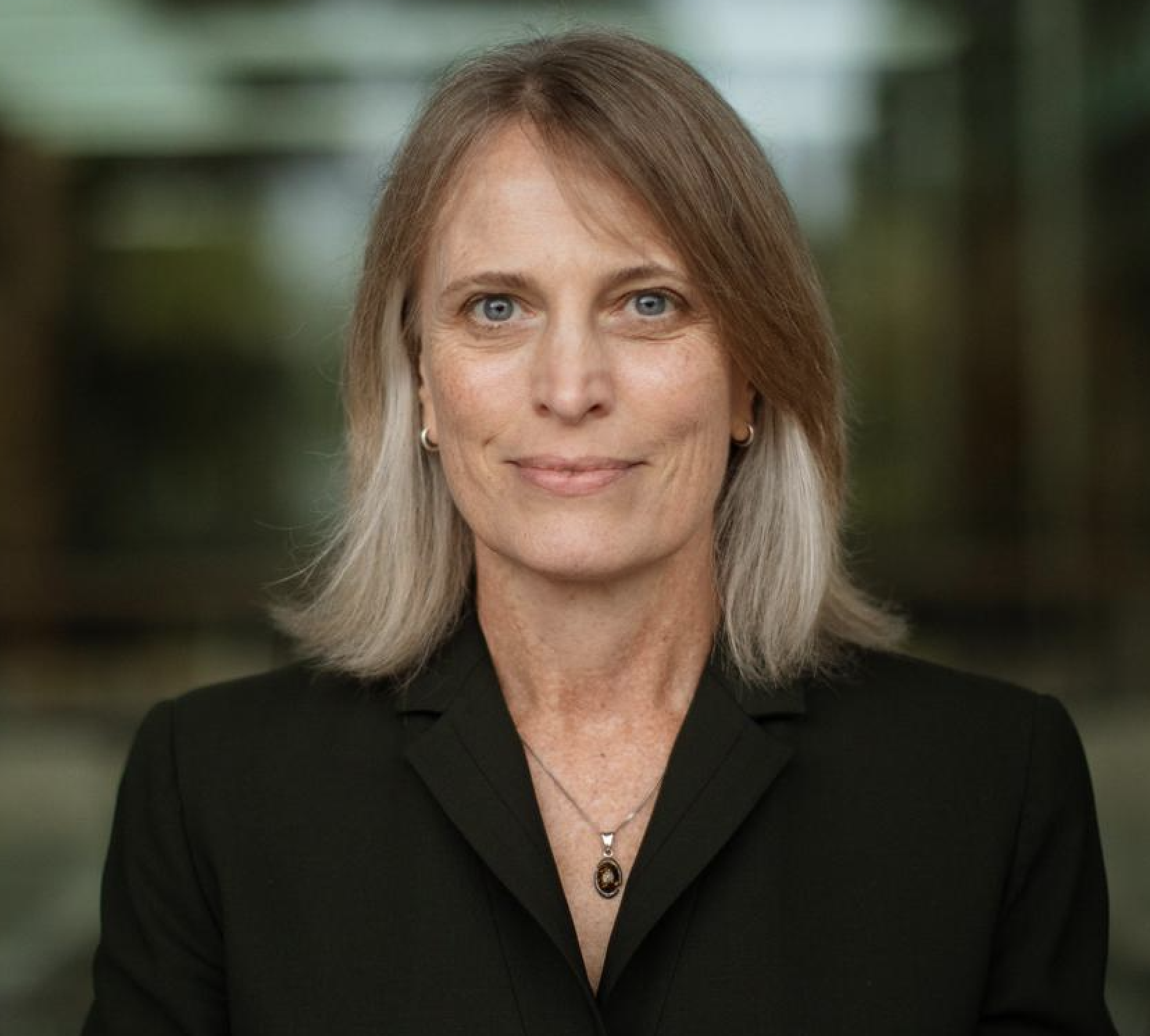
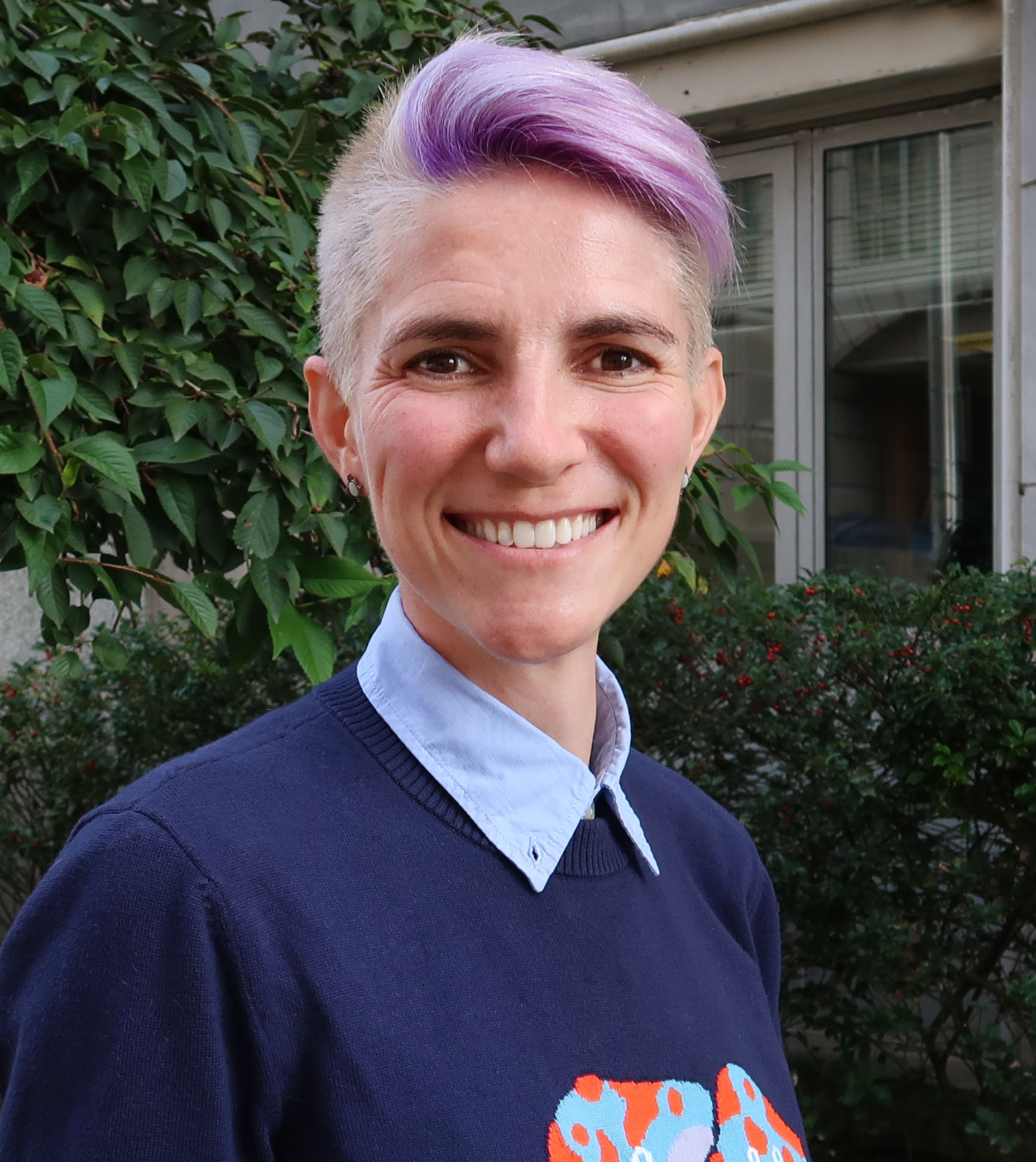
Kristen G. Anderson, Ph.D. is a professor of psychology at Reed College and the principal investigator of the Adolescent Health & Women’s Health Research Programs. Her term as president of the Research Society on Alcohol runs from July 2025- June 2026.
Her area of expertise is the developmental psychopathology of addictive behaviors from late childhood through emerging adulthood with a special emphasis on gender and gender diversity. Dr. Anderson specializes in alcohol and drug use decision-making in social contexts using simulations and social-cognitive models of alcohol and cannabis use. Dr. Anderson has published extensively and received research funding from the National Institutes of Alcohol Abuse and Alcoholism (NIAAA), National Institute of Drug Abuse (NIDA), and the ABMRF: The Alcohol Research Foundation. Dr. Anderson also served as the principal investigator of the Portland site of Project Options, a national, multisite field trial of a school-based alcohol and drug prevention program in the United States funded by NIAAA. At the University of Amsterdam, she served as a Fulbright Scholar (2013 - 2014), the academic director of the Summer Institute on Addictions (2016 - 2020), and currently codirects the Mental Health, Youth, and Society summer program (2021 - ).
A licensed psychologist, Dr. Anderson received her Ph.D. from the University of Kentucky and completed her postdoctoral training at the University of California, San Diego (UCSD). Prior to joining the faculty at Reed, she was a research scientist and clinical faculty member in the UCSD Departments of Psychology and Psychiatry. Dr. Anderson attended Simon’s Rock College and Drew University as an undergraduate and also holds a M.Ed. in Special Education from American International College.
Jeff Boissoneault, PhD serves as an Associate Professor in the Department of Anesthesiology at the University of Minnesota, where he directs the Minnesota Alcohol and Pain Lab. Dr. Boissoneault’s research interests focus on neurophysiological and psychosocial mechanisms underling the bidirectional association between pain and substance use, especially alcohol. He is also actively involved in studies regarding cortical-brainstem-spinal interactions underlying placebo analgesia and non-pharmacologic approaches to improve pain modulatory capacity in people with chronic widespread musculoskeletal pain. He received his doctorate in medical sciences with a concentration in cognitive/behavioral neuroscience from the University of Florida and completed a postdoctoral fellowship in pain research in the University of Florida’s Center for Pain Research and Behavioral Health.
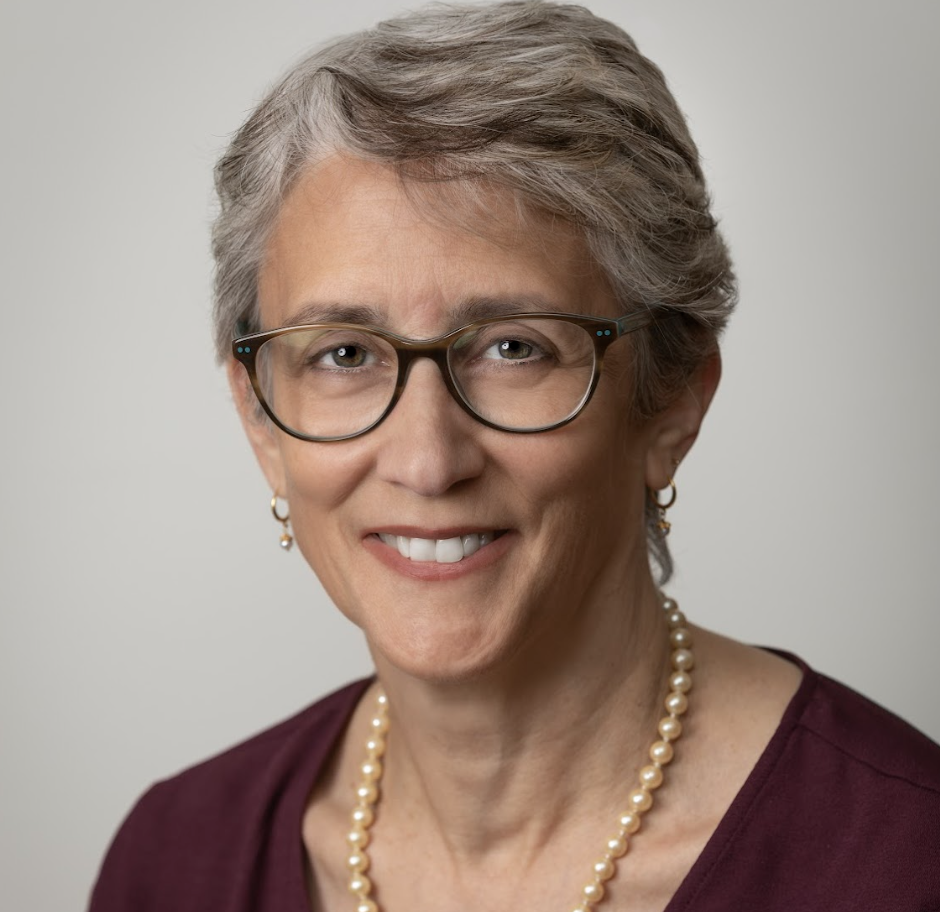
Karen G. Chartier, PhD, MSW
Karen Chartier, PhD studies social, genetic and environmental factors that influence alcohol misuse and alcohol use disorder, and how these relationships manifest across racial, ethnic and cultural groups. Her research seeks to optimize the use of family health history information to identify at-risk young adults prior to the development of advanced alcohol problems.
Chartier’s research agenda extends across disciplines. She is the director of the Institute for Research on Behavioral and Emotional Health and the Spit for Science Registry, two university-level initiatives that bring together faculty, trainees and students from across campuses and units at VCU to advance the scientific understanding of substance use and misuse and mental well-being. She is also a faculty member with the Virginia Institute for Psychiatric and Behavioral Genetics.
Chartier was trained as a macro social work practitioner. She previously worked as a community organizer and then a project coordinator and evaluator on intervention studies that examined culturally relevant substance use treatment and prevention programs for African American and Latinx communities. She completed her postdoctoral training at the University of Connecticut School of Medicine’s Alcohol Research Center in the Department of Psychiatry.
Before VCU, Chartier worked at the University of Texas School of Public Health, Dallas Regional Campus, where she was on the research faculty and conducted epidemiologic studies on alcohol consumption, alcohol-related problems and treatment utilization in U.S. racial/ethnic groups. She was also affiliated with the Texas Node of the National Institute on Drug Abuse’s Clinical Trials Network at the University of Texas Southwestern Medical Center at Dallas.
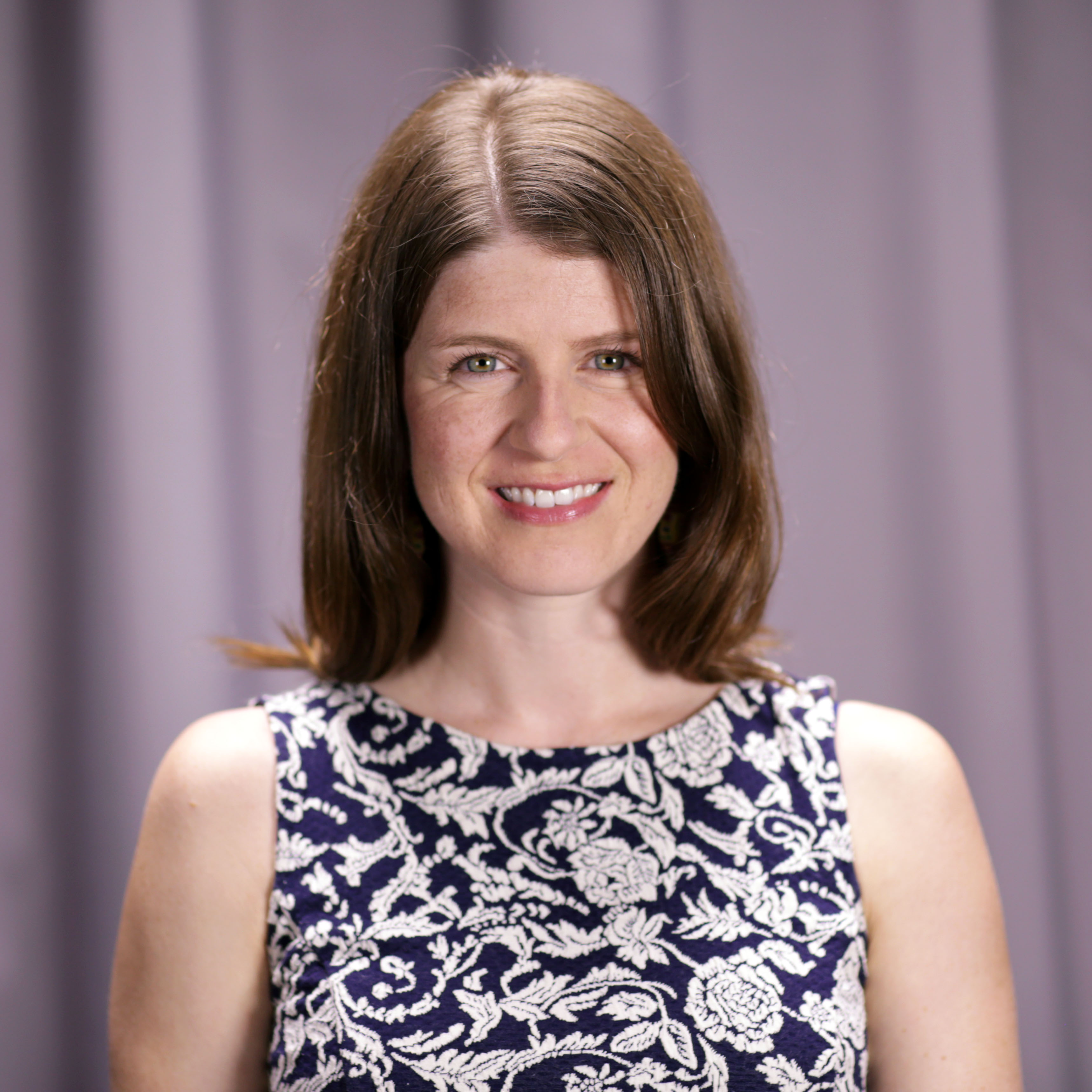
Jessica E. Salvatore, PhD is an Associate Professor in the Rutgers Robert Wood Johnson Medical School Department of Psychiatry and the Director of the Genes, Environments, and Neurodevelopment in Addictions Research Program. She also serves as a Field Editor for the Journal of Studies on Alcohol and Drugs, and on the Board of Directors for the Research Society on Alcohol. Her background is in developmental psychology and psychiatric and behavior genetics, and her primary area of focus is on how alcohol use and related behaviors affect and are affected by close relationships across the lifespan. She takes a genetically informed perspective in her work, with a particular interest in understanding the social/environmental mechanisms through which genetic predispositions for alcohol use disorder and related outcomes are transmitted in families, as well as the interplay between social and genetic factors. Identifying modifiable social and environmental contexts that transmit and amplify genetic predispositions is critical to developing preventive interventions to mitigate the social costs of alcohol-related problems for individuals, families, and society. Dr. Salvatore’s work is funded by the National Institute on Alcohol Abuse and Alcoholism, the National Institute on Drug Abuse, and the Templeton Foundation, and she was the recipient of the 2018 Research Society on Alcohol Early Career Investigator Award.
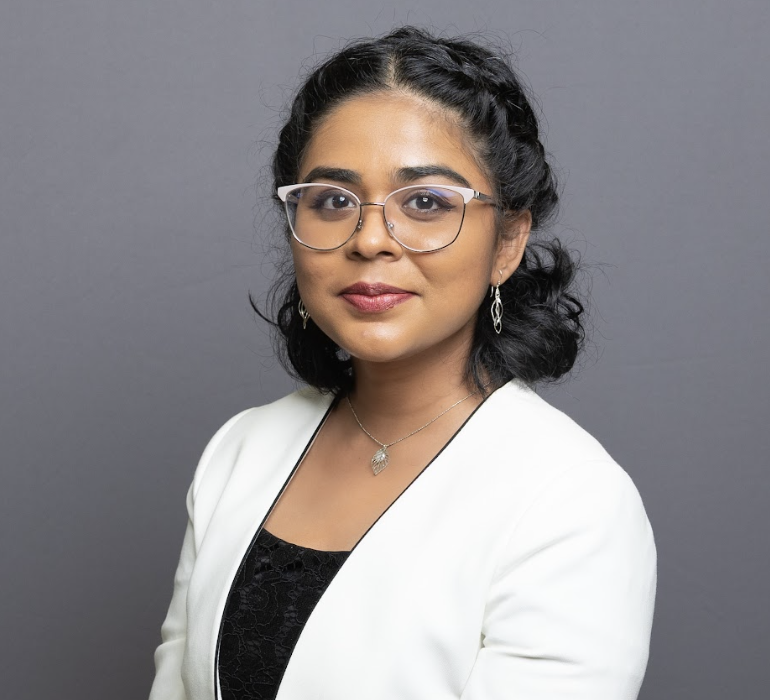
Muhammad Azhar Nisar, PhD
Dr. Muhammad Azhar Nisar, PhD is a Postdoctoral Research Fellow in the Department of medicine at Stony Brook University, working under Dr. Chiung-Kuei Huang on his NIH supported grants. His research focuses on the epigenetic regulation of alcohol-associated liver disease (ALD), with a particular emphasis on the role of TET family enzymes and DNA methylation dynamics in hepatic inflammation, fibrosis, and hepatocyte plasticity. He employs cutting-edge approaches including single-nucleus RNA sequencing, ChIP-seq, and multiomics to dissect disease mechanisms at single-cell resolution. Dr. Nisar holds a PhD in Biochemistry and Molecular Biology and has 15+ peer-reviewed publications spanning liver disease, epigenetics, and cancer biology.
Regina Mangieri, PhD, is an Assistant Professor in the Division of Pharmacology and Toxicology in the College of Pharmacy at The University of Texas at Austin. Dr. Mangieri received her Ph.D. in Pharmacology from the University of California, Irvine, and performed her postdoctoral training at The University of Texas at Austin, during which time she was awarded a Ruth L. Kirschstein National Research Service Award postdoctoral fellowship from the National Institute on Alcohol Abuse and Alcoholism. She is interested in alcohol-induced changes in cellular, synaptic, and circuit physiology, and the relationship of these changes to the development of pathological behaviors. Her current research, funded by the National Institute of Mental Health and National Institute on Alcohol Abuse and Alcoholism, focuses on neuronal physiology and glia-neuron interactions in cortico- and meso-limbic circuits to understand the basic mechanisms underlying alcohol use disorder, alcohol misuse, and maladaptive aggression.
Marisa M. Silveri, PhD, MHC
Marisa M. Silveri, PhD, MHC, is Director of the Neurodevelopmental Laboratory on Addictions and Mental Health at McLean Hospital and Associate Professor of Psychiatry at Harvard Medical School. A translational neuroscientist and clinician, her research focuses on adolescent brain development and neurobiological vulnerability to alcohol and substance use disorders. For nearly 30 years, her program has used multimodal approaches, including neuroimaging, cognitive testing, and clinical assessment, to examine how developmental changes in brain systems contribute to the initiation of substance use during adolescence and risk for addiction later in life. Her work has been continuously funded by the National Institute on Alcohol Abuse and Alcoholism since 2004. Dr. Silveri has published more than 90 peer reviewed papers and has received research, mentoring, and media awards from McLean Hospital, Harvard University, and the Research Society on Alcohol. She is also committed to public education and science communication and has delivered more than 200 talks to students, parents, educators, clinicians, and community groups. In addition to leading her research program, she provides clinical care to adolescents and families at the Arlington Youth Counseling Center, bringing scientific insights directly to practice and informing her research with the realities of patient care.
Siara K. Rouzer, PhD is a Research Scientist in the Department of Neuroscience & Experimental Therapeutics at the Texas A&M College of Medicine. Her research focuses on how prenatal and preconception alcohol exposures alter brain development and neural circuitry to influence behavioral and mental health outcomes across the lifespan. Using rodent models and molecular neuroscience approaches, her work examines how alcohol and other substances affect developing neural systems that regulate cognition, emotion, and substance use risk. Dr. Rouzer’s research is supported by the National Institute on Alcohol Abuse and Alcoholism, including a Pathway to Independence (K99/R00) Award, as well as a Young Investigator Grant from the Brain & Behavior Research Foundation. She is actively involved in scientific outreach and advocacy as Chair of the National Alcohol Public Outreach Committee for the Research Society on Alcohol. Her work has been recognized with several honors, including the Kenneth Warren Merit Award from the Fetal Alcohol Study Group of the Research Society on Alcohol, the Elizabeth Young New Investigator Award from the Organization for the Study of Sex Differences, the Outstanding Scholar in Neuroscience Award (OSNAP) from the National Institutes of Health, and the John and Patricia O’Neill Addiction Science Education Award from the Research Society on Alcohol.
Joseph Schacht, Ph.D. is an Associate Professor in the Department of Psychiatry at the University of Colorado School of Medicine and Co-Director of the Division of Addiction Science, Prevention, and Treatment, where he directs the Translational Addiction Imaging Laboratory. He did his undergraduate work at the University of Michigan and received a dual Ph.D. in Clinical Psychology and Neuroscience from the University of Colorado, Boulder. Dr. Schacht completed his predoctoral internship and an NIH-funded post-doctoral fellowship at the Medical University of South Carolina. Dr. Schacht’s research uses genetics, functional neuroimaging, and experimental pharmacology to evaluate novel medications for the treatment of alcohol and substance use disorders. He has published over 50 peer-reviewed scientific papers and served as principal investigator on over $15M of NIH-funded grants. His work has been continuously NIH-funded since 2006 and has also been supported by philanthropic foundations and industry.
Dr. Kiluk is Associate Professor of Psychiatry at the Yale School of Medicine and a licensed clinical psychologist conducting research in the field of addiction treatment. His research is focused on the development, evaluation, and enhancement of behavioral therapies for substance use disorders, which includes work to optimize clinical trial methods for demonstrating treatment efficacy. He is Principal Investigator of multiple NIH-funded research grants through the National Institute on Drug Abuse and the National Institute on Alcohol Abuse and Alcoholism, and his work has been featured at national scientific meetings. As an expert in cognitive behavioral therapy for substance use disorders, Dr. Kiluk also consults with treatment facilities across the U.S. to provide workshop training, as well as ongoing fidelity monitoring and coaching.
Sudie E. Back, PhD, is a Professor in the Department of Psychiatry and Behavioral Sciences and the Thurmond Wellness Endowed Chair at the Medical University of South Carolina (MUSC). She is a licensed clinical psychologist and serves as a Staff Psychologist at the Ralph H. Johnson Veterans Affairs (VA) Medical Center in Charleston, South Carolina. For more than 25 years, Dr. Back’s work has been continuously supported by funding from various agencies including the National Institutes of Health (NIH), the VA, the Department of Defense, and the Fulbright Program. Her research focuses on advancing the treatment of alcohol and other substance use disorders (SUDs), particularly among individuals with co-occurring posttraumatic stress disorder (PTSD). She and her colleagues developed a behavioral treatment for co-occurring SUDs and PTSD that is recognized as a first-line, evidence-based treatment by the American Psychological Association. Dr. Back’s research spans behavioral, pharmacological, and integrated treatment approaches. In addition to research, she is committed to mentorship and training, serving as Director of a long-standing NIH-funded research training program focused on substance use disorders at MUSC.
William W. Stoops is the Dr. William R. Willard Professor in Behavioral Science, with appointments in the departments of Behavioral Science, Psychiatry and Psychology, as well as the Center on Drug and Alcohol Research at the University of Kentucky (UK). He is the founding director of the UK Clinical Research Support Office, director of the Regulatory Knowledge and Support Core in the Center for Clinical and Translational Science and associate director for clinical research in the Substance Use Research Priority Area. He is also the current Treasurer of the College on Problems of Drug Dependence and the Association for Clinical and Translational Science. As a principal investigator, he has been continuously funded by the National Institutes of Health since 2008. Dr. Stoops’ research uses human laboratory and clinical trial methods to understand the behavioral and pharmacological factors contributing to substance use disorder, including alcohol use disorder, with an aim of advancing novel pharmacological and behavioral interventions. His research has been funded by the National Institute on Drug Abuse, the National Institute on Alcohol Abuse and Alcoholism, the National Institute for General Medical Sciences, and the National Cancer Institute.
Noel Vest, Ph.D., is an Assistant Professor at the Boston University School of Public Health. As a formerly incarcerated scholar, Dr. Vest advocates for social justice issues and public policy concerning substance use disorder recovery and prison reentry. His research interests include mental health, substance use disorders, poverty, social justice, addiction recovery, and pain. He was recently awarded a K01 early investigator award through the National Institute of Drug Abuse to study collegiate recovery programs through an implementation science lens. He received his Ph.D. and Master’s degrees in Experimental Psychology from Washington State University. He recently finished a postdoc in the Department of Anesthesia at Stanford Medicine.
Dr. Jeremy Luk is a licensed clinical psychologist with research expertise in alcohol use, mental health, addiction treatment, and statistical methods. He is board-certified in addiction psychology. He obtained his Ph.D. in clinical psychology from the University of Washington in 2015, and subsequently received postdoctoral training at the University of California, San Diego (2015-2016) and at the Eunice Kennedy Shriver National Institute of Child Health and Human Development (2016-2018). After gaining two additional years of professional experiences as a research scientist and a subject matter expert, he returned to the NIH and joined the OCD of NIAAA as a clinical psychologist in July 2020. In his current role, Dr. Luk provides clinical services to patients with alcohol use disorder and supervises doctoral students in clinical psychology for their clinical externship. His recent research focuses on understanding multidimensional quality of life in the context of recovery and the application of third-wave behavioral therapies (e.g., dialectical behavior therapy skills training) to treat addictive behaviors. He was the recipient of the 2023 NIAAA Clinical Service Award and the 2024 NIAAA Mentor Award.
Dr. Lindsay Squeglia is a Professor and licensed clinical psychologist at the Medical University of South Carolina (MUSC) in the Department of Psychiatry and Behavioral Sciences. She is the co-Director of the MUSC Youth Collaborative, and her National Institutes of Health-supported research focuses on: (1) understanding the effects of alcohol and cannabis use on brain development and (2) using neuroscience to improve prevention and treatment of adolescent substance use disorders. She co-leads MUSC's site for the nationwide Adolescent Brain Cognitive Development Study (ABCD) and has served in various roles on the ABCD Steering Committee, Novel Technology Workgroup, and Community Engagement and Dissemination Workgroup. She has a strong interest in community outreach and education efforts and leads the MUSC High School Teen Science Ambassador Program, providing high school students with a three-phase internship experience in academic clinical research.
Dr. Squeglia is originally from South Carolina and grew up in the Charleston area. She received a Bachelor’s degree in Experimental Psychology at the University of South Carolina and a PhD in Clinical Psychology from the San Diego State University/University of California San Diego (UCSD). She completed her clinical internship in neuropsychology at the University of California Los Angeles and her postdoctoral fellowship in neuroimaging at UCSD. In 2023, she completed her Fulbright Senior Scholar fellowship at the University of Sydney, establishing a cross-national collaboration between the United States and Australia to improve health outcomes globally for youth struggling with substance use and mental health issues.
Dr. Squeglia is open to working with trainees at all career levels with an interest in understanding and addressing youth substance use. Potential trainees with prior substance use research experience who have an interest in working with data from ongoing or completed MUSC Youth Collaborative clinical trials studies and/or ABCD data are particularly encouraged to apply.
Sharon Reif, Ph.D., is a Professor at the Heller School for Social Policy and Management, Brandeis University, part of the leadership team for its Institute for Behavioral Health, and Director of its National Institute on Alcohol Abuse and Alcoholism (NIAAA) doctoral training program. Dr. Reif conducts health services research related to the substance use treatment system and recovery supports, with a focus on access, quality and delivery of services, as well as outcomes and recovery, and the intersection with disability. Dr. Reif has been PI or co-investigator on numerous health services research studies funded by NIH and others, including medications for treating addiction; systems approaches to improve treatment for opioid use disorders and other substance use disorders; access to behavioral health services; the role of incentives in driving quality; the impact of health reform and parity on behavioral health service delivery; the intersection of substance use disorders with other disabilities; and recovery from alcohol problems within a Black community. Her research interests extend to the intersection of chronic medical problems, including pain, with alcohol and drug use and misuse, as well as stigma. Dr. Reif co-directs the Brandeis/Harvard SPIRE Center on SUD Systems Performance Improvement Research and Engagement, a NIDA-funded Center of Excellence (P30). She teaches courses on research ethics for doctoral students and behavioral health for graduate students and undergraduates. Dr. Reif has a Ph.D. in social policy from the Heller School, where she was also the recipient of a training grant in alcohol health services research from the National Institute on Alcohol Abuse and Alcoholism. She received the Heller School Mentoring Award in 2017.
Elizabeth J. Santa Ana, PhD
Dr. Elizabeth J. Santa Ana is an Associate Professor in the Department of Psychiatry and Behavioral Sciences at the Medical University of South Carolina and a Staff Psychologist at the Ralph H. Johnson VA Healthcare System. Her clinical and research work focuses on the treatment of substance use disorders, with particular expertise in motivational interviewing and sustaining therapeutic relationships in addiction care. Dr. Santa Ana works closely with individuals in recovery and is actively involved in training and mentoring clinicians in evidence-based approaches to substance use and co-occurring disorders. She also serves as Associate Director of the Charleston Health Equity and Rural Outreach Innovation Center (HEROIC) and Co-Director of the VA Advanced Fellowship in Mental Illness Research and Treatment (MIRT).
Dr. Maureen Stewart is a Research Associate Professor in the Department of Health Law, Policy & Management at Boston University School of Public Health and affiliated faculty with the Medicaid Policy Lab. Dr. Stewart's research interests include the financing, payment, and organization of behavioral health services. Her research focuses on policy and system approaches to improve access to and quality of alcohol and drug treatment services and to reduce racial, ethnic, and geographic disparities in substance use treatment services.
Dr. Sarah L. Pedersen, PhD, is Associate Professor of Psychiatry and Psychology at the University of Pittsburgh School of Medicine, Co-Director of the Youth and Family Research Program, and Director of the Research Equity and Community Health Collaborative. A licensed clinical psychologist, her research examines risk factors for alcohol use disorders, health inequities, discrimination, ADHD, and substance use across development. Dr. Pedersen has authored more than 60 peer-reviewed publications and is nationally recognized for her leadership in alcohol research, mentorship, and advancing equity in behavioral health science.
Dr. Krithika Prakash, PhD, is an NIAAA T32 Postdoctoral Scholar in the Youth and Family Research Program at the University of Pittsburgh. Her research focuses on the long-term impact of trauma, racial discrimination, and related stressors on mental health and alcohol use, with a particular emphasis on underserved and minoritized populations. Dr. Prakash has published and presented internationally on traumatic stress, PTSD, substance use disorders, and advanced quantitative methods. She completed her Ph.D. in Clinical Psychology at Eastern Michigan University and her predoctoral internship at the Medical University of South Carolina.
Dr. Ismene L. Petrakis, M.D., is Professor of Psychiatry at Yale School of Medicine, Chief of Psychiatry for the VA Connecticut Healthcare System, and Deputy Chair for Veterans Affairs in Yale’s Department of Psychiatry. An internationally recognized leader in addiction psychiatry, her work has focused on alcohol use disorder, post-traumatic stress disorder, and the treatment of co-occurring mental health and substance use conditions, particularly among veterans. Dr. Petrakis has led numerous clinical trials, authored hundreds of scientific publications, and has received multiple national honors, including the American Academy of Addiction Psychiatry’s Outstanding Achievement and Service Award.