
Open help menu
Live Webinar

Residential Assessment as Intervention: From “Treatment-Resistant” to Truly Seen

|

Information

Date & Time

Description

Patients entering residential care often carry multiple diagnoses, extensive treatment histories, and the label “treatment-resistant.” This session reframes that narrative: treatment has failed them—not the individuals. We will explore how comprehensive interdisciplinary assessment functions as both diagnostic and therapeutic intervention, restoring clarity and hope for patients and families. Drawing on evidence from Therapeutic Assessment and psychoanalytic diagnostic frameworks, presenters will demonstrate how collaborative formulation and family engagement transform fragmented care into precision treatment planning. Practical strategies for implementing these principles in residential settings will be provided.

Educational Goal

The educational goal of this session is to equip providers with a deeper understanding of how comprehensive interdisciplinary residential assessment can transform care for patients with complex comorbid conditions. Participants will learn how assessment functions as both a diagnostic and therapeutic intervention, fostering clarity, collaboration, and precision treatment planning. The session emphasizes practical strategies for integrating collaborative assessment principles, multidisciplinary coordination, and family engagement to improve outcomes and patient experience.

Learning Objectives

Participants will be able to:

  • Explain how comprehensive interdisciplinary assessment addresses systemic gaps in care for patients with complex comorbid conditions who have been labeled “treatment-resistant.”

  • Describe the therapeutic impact of assessment-as-intervention, including evidence from research and diagnostic frameworks beyond the DSM.

  • Identify practical strategies for integrating collaborative formulation and family engagement into residential assessment processes to improve treatment alignment and patient experience.

Target Audience

  • Addiction Professional
  • Counselor
  • Marriage & Family Therapist
  • Nurse
  • Physician
  • Psychologist
  • Social Worker

Presenters

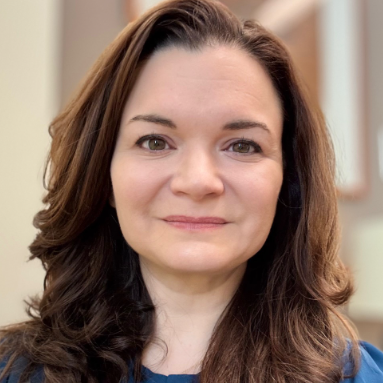
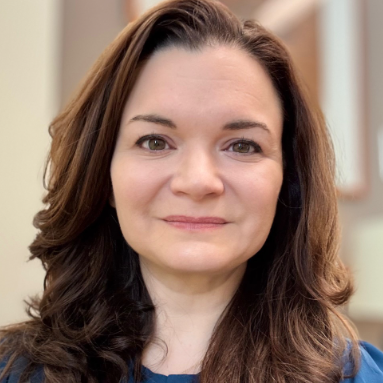
Dr. Pachan is a psychodynamic psychologist with specialties in the evaluation, conceptualization, and treatment of complex comorbid conditions. Her academic interests include the role of AI in mental healthcare, personality disorders, lifespan development, and intercultural psychology.
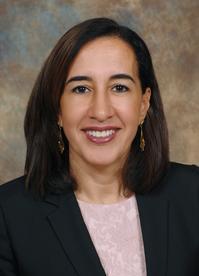
Dr. Brandi, Medical Director of Sibcy House, staff psychiatrist and psychoanalyst at Lindner Center of Hope, Assistant Psychiatric Clerkship Director of Department of Psychiatry and Behavioral Neuroscience and Psychotherapy Curriculum Director, Psychiatry Residency Program at University of Cincinnati College of Medicine. She works both at Sibcy House diagnostic assessment-treatment readiness program for adults and outpatient services for adolescents and adults.
Michelle L. Pritchard, MA, LPCC‑S, is an experienced Clinical Director and Licensed Professional Clinical Counselor Supervisor with over 12 years of clinical practice and more than 8 years of leadership experience across residential, partial hospitalization, intensive outpatient, and outpatient levels of care. She brings a deeply person‑centered, trauma‑informed approach to both clinical work and organizational leadership, with a strong commitment to authenticity, trust, and excellence in care delivery. Michelle has held clinical leadership roles at multiple behavioral health organizations, where she has built, implemented, and sustained evidence‑based programming for individuals with complex mental health conditions, substance use disorders, and co‑occurring diagnoses. Her work includes the development of clinical treatment pathways, comprehensive diagnostic evaluations, and integrated individual and group programming designed to promote continuity of care and meaningful outcomes. As a clinical leader, Michelle has extensive experience in supervising and mentoring multidisciplinary teams, providing high‑quality clinical supervision, and fostering staff development with a strong emphasis on retention, professional growth, and organizational culture. She has led hiring and onboarding initiatives, created clinical policies and procedures, ensured regulatory and accreditation compliance (including CARF, Joint Commission, and OMHAS standards), and partnered closely with executive leadership to align clinical services with mission, census, and budgetary performance. Michelle is trained in EMDR and multiple trauma‑focused interventions and believes in a holistic approach to recovery that honors the whole person. She values collaboration, continuous learning, and the use of client and family feedback to strengthen programming and service delivery. At the heart of her work is a passion for supporting healing, building resilient systems of care, and empowering both clients and clinicians to thrive.

Financially Sponsored By

  • Lindner Center of Hope