Open help menu
Live Webinar
Global Collaborations & Innovations: Shaping Warfighter Resilience & Readiness

Publishing in Military Psychology: From Manuscript to Article

|

Pricing

Information

Date & Time

Description

This presentation will provide an overview of the publication process for journal articles and other outlets for publishing in Military Psychology, such as newsletter articles, book chapters, and digital publications. This will include tips for choosing the right outlet to match the material in the manuscript, taking into account impact factor, intended audience, and journal statistics such as acceptance rate. Manuscript preparation standards will be reviewed, to include the use of generative artificial intelligence in drafting or editing manuscripts. In encouraging a broad range of submissions, the presenters will provide additional suggestions for how to navigate the sometimes-lengthy submission process, how to handle rejections from journals, and refining your submission to key messages. Examples will be provided from recent submissions to the Division’s flagship journal, Military Psychology, and the Division’s newsletter, The Military Psychologist.

Educational Goal

The educational goal of this workshop is for participants to strengthen their ability to communicate military psychology research and professional knowledge through publications suited to their intended audiences. Participants will develop skills in preparing manuscripts, selecting publication outlets, and responding constructively to editorial and peer-review feedback to support effective dissemination.

Learning Objectives

Participants will be able to:

  • Identify three standards for a manuscript submission structured for an academic journal or book publisher in military psychology.

  • Identify at least three criteria to match appropriate publication outlets to the manuscript material.

  • Analyze at least three constructive revision strategies to collaborate with editorial staff using address peer-review feedback.

Target Audience

  • Addiction Professional
  • Counselor
  • Marriage & Family Therapist
  • Psychologist
  • Social Worker

Presenters

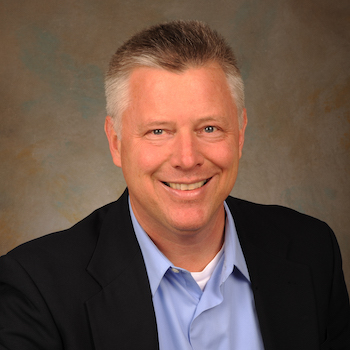
Thomas Britt, Ph.D.
Thomas W. Britt, PhD, is a Full Professor of Psychology at Clemson University and a Faculty Instructor at the U.S. Army War College. He earned his Master of Arts in General Psychology from Wake Forest University and his Doctor of Philosophy in Social Psychology from the University of Florida. Dr. Britt previously served on active duty as a research psychologist at the Walter Reed Army Institute of Research and has served as a research psychologist in the U.S. Army Reserves. With over three decades of professional experience in occupational health psychology, his work centers on employee resilience in high-stress occupations, meaningful work, leadership practices, and the reduction of stigma surrounding mental health treatment. He serves as Editor-in-Chief for Military Psychology, has co-authored and edited multiple books on organizational psychology and stress, and has authored numerous peer-reviewed studies funded by the Department of Defense, the National Institutes of Health, the National Institute for Occupational Safety and Health, and NASA.
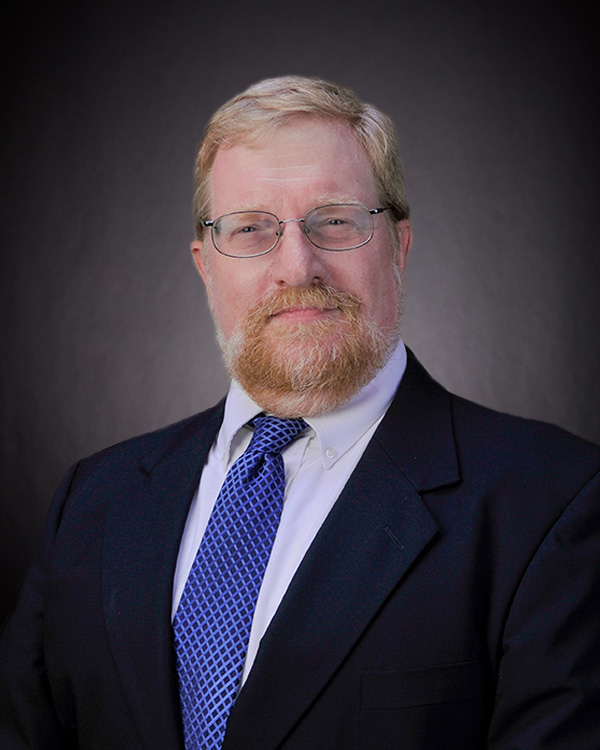
Timothy Hoyt, PhD
Tim Hoyt, PhD, ABPP, is the Chief Mental Health Officer for the Defense Health Agency, where he provides executive-level oversight for mental health policy, suicide prevention initiatives, combat and operational stress control, and clinical standards across the U.S. Military Health System. A board-certified clinical psychologist through the American Board of Professional Psychology, Dr. Hoyt holds active clinical psychologist licenses in Maryland and Washington. He completed his Doctor of Philosophy in Clinical Psychology at the University of New Mexico, followed by an APA-accredited clinical internship and post-doctoral residency at Madigan Army Medical Center. Dr. Hoyt has over fifteen years of specialized clinical, research, and supervisory experience in behavioral health, including service as a Brigade Psychologist in the U.S. Army, Director of an Intensive Outpatient Program for trauma recovery, and Chief of the Connected Health Branch within the Defense Health Agency. In addition to his administrative and clinical leadership, he serves as an Adjunct Full Professor at the University of Maryland Global Campus, teaching graduate and undergraduate courses in counseling ethics, research methods, substance use disorders, and group interventions. Dr. Hoyt has authored numerous peer-reviewed journal articles, clinical practice guidelines, and book chapters focusing on post-traumatic stress, suicide risk assessment, crisis intervention, and digital health technology.

Financially Sponsored By

  • APA Division 19: Society for Military Psychology