
Psychosis Care and Connection: A Retreat on Humanistic Approaches: East Coast
Psychosis Care and Connection: A Retreat on Humanistic Approaches: East Coast
Pricing
Information
Recorded
-
-
-
-
-
-
Please Note
Only the presentations included below are available as recordings. All must be completed to earn credit. The remaining presentations in the series are not available on demand.
-
Why Do Many Otherwise Well Meaning Psychiatrists Often Fail to Appreciate The Psychological Dimension of Psychotic Suffering?
-
Hospitality in the Psychotherapy for Psychosis
-
Back to Basics: Listening for Islands of Clarity
Description
A roundtable retreat with the aim of fostering dialogue, sharing approaches to working with psychosis, and nurturing community through lectures, experiential events, and cultural engagement in the Berkshires.
Learning Objectives
Participants will be able to:
-
Increase understanding of history of family based services for schizophrenia
-
Increase access to case management, resources for caregivers to decrease burn out and aim improved self care and management of emotional, physical and mental health needs for caregiving individuals
-
State one reason why some psychiatrists believe that talking about delusions will make the patient worse.
-
State one reason why some psychiatrists believe that empathically understanding psychotic symptoms may be personally distressing to the psychiatrist
-
State one reaction some psychiatrists may have to the unreasonableness of many psychotic persons.
-
Define and understand the concept of hospitality
-
Apply the concept of hospitality and the role of host and guest to the psychotherapy for psychosis
-
Recognize the the of narrative hospitality and how to facilitate the exchange of stories from multiple perspectives.
-
Consider the limitations created by the ideas implied in a diagnosis
-
Describe the importance of creativity in treatment
-
Identify the potential role of an inquiry into ones spiritual experiences in attuning to their personal world
-
Decrease stigma and barriers to engagement in family based services for schizophrenia
Educational Goal
Target Audience
- Addiction Professional
- Counselor
- Marriage & Family Therapist
- Nurse
- Physician
- Psychologist
- Social Worker
Presenters
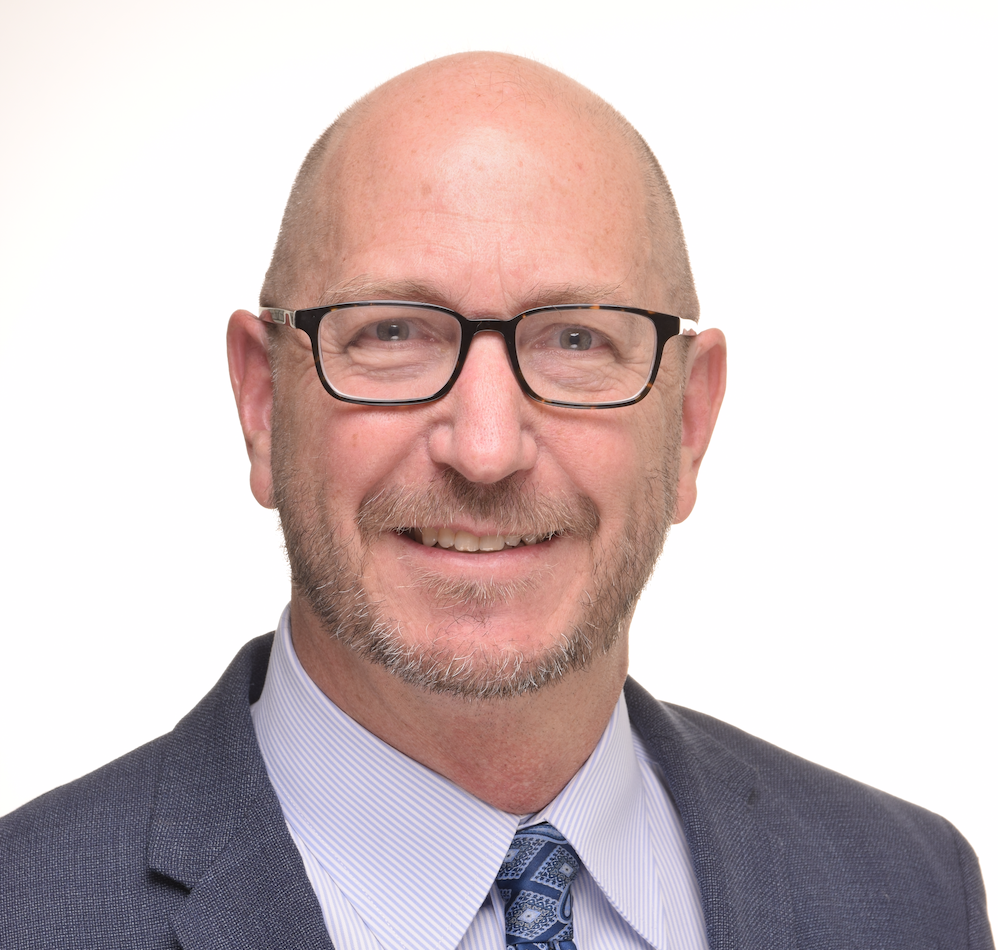
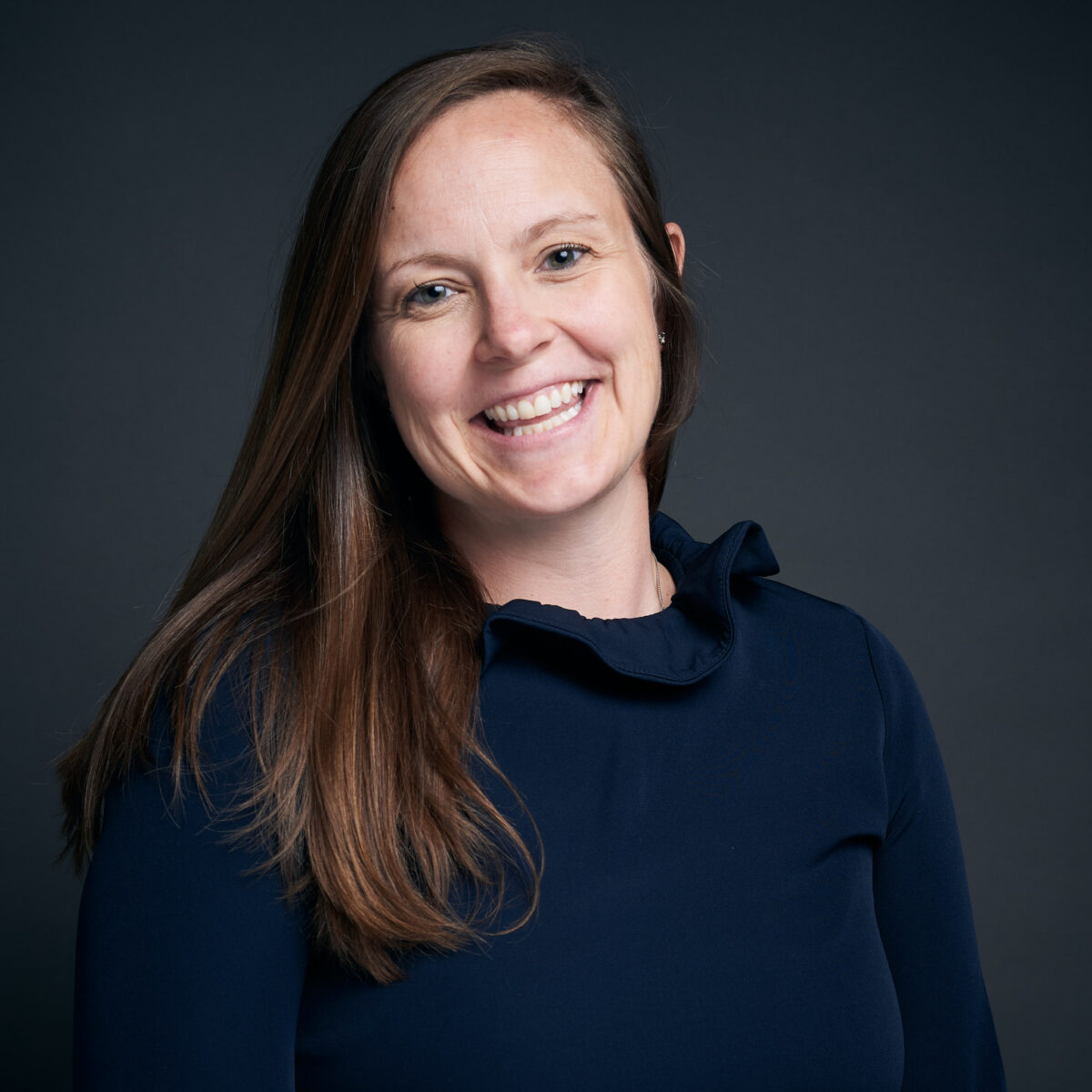
Dr. Hilary Kaul is a licensed clinical social worker and therapist with extensive experience working with individuals and families. Hilary has worked in a variety of inpatient, outpatient, and community based settings, working with caregivers and young adults newly diagnosed as experiencing psychosis, mood disorders and comorbid substance use challenges. Most recently, Hilary created a pilot day treatment program at Mclean Hospital for young adults after assessing an unmet system-wide need to increase functionality and socialization of individuals while simultaneously decreasing stigma. She also served as a primary clinician leading a patient’s multidisciplinary team in a first episode psychosis clinic. In this role, she developed and executed the hospital’s first community and home-based services.
Prior to working at McLean Hospital, Hilary taught English and History in Shanghai to middle school and high school students. Hilary holds a Doctorate in Social Welfare and Clinical Social Work from New York University. She received a Bachelor of Arts in Psychology from the University of Richmond and a Master of Social Work from Boston College, where she won the M. Rita Walsh award for excellence in mental health. Hilary has completed extensive family therapy training at Ackerman Institute For The Family. Hilary believes in working collaboratively to empower clients to make choices to help them build happy and fulfilling lives.
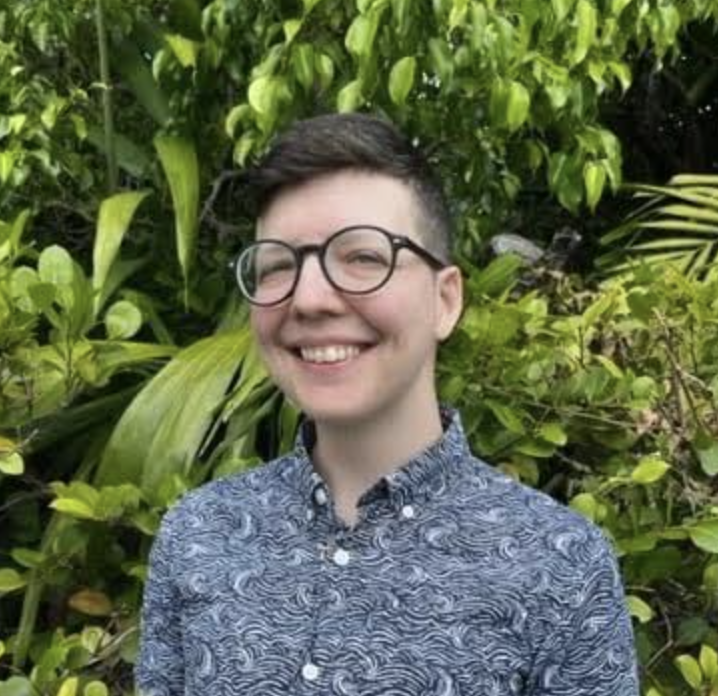
In their spare time they enjoy watching survival reality television, drawing, and picking up insects and amphibians while hiking. They currently reside on occupied Nipmuc/Pocomtuc land/so-called Florence, MA with their partner, daughter, and two cats.
Financially Sponsored By
- Ellenhorn
- Help in the Home
- Gould Farm
- Silver Hill Hospital
- Austen Riggs Center
- Skyland Trail
- WestBridge
- Bridge House Health
- Windhorse Integrative Mental Health