


Live Webinar
Psychologists and the Business of Behavior Series
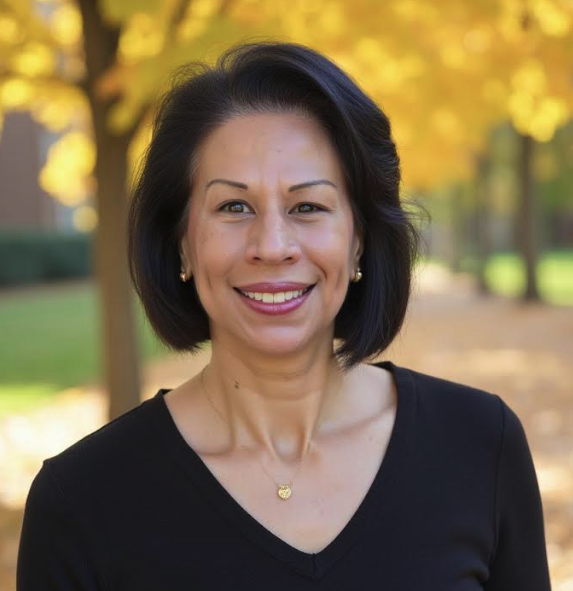
Part 3: Psychologists and the Business of Behavior: Coaching for Inclusive Leadership with Guest Dr. Cedric Williams
|
Part 3: Psychologists and the Business of Behavior: Coaching for Inclusive Leadership with Guest Dr. Cedric Williams
1.5 CE Hours
Intermediate
$29 - $248
Pricing
References
References
- Bachkirova, T. (2016). The self of the coach: Conceptualization, issues, and opportunities for practitioner development. Consulting Psychology Journal: Practice and Research, 68(2), 143–156. https://doi.org/10.1037/cpb0000055
- Berman, W. H. (2019). Coaching C-suite executives and business founders. Consulting Psychology Journal: Practice and Research, 71(2), 72–85. https://doi.org/10.1037/cpb0000128
- Bernier, M., Bagot, P., Sondt, N., Levillain, G., Vacher, P., Doron, J., Martinent, G., Fournier, J. F., & Kermarrec, G. (2025). The effectiveness of psychological interventions in elite sport: Methodological issues and opportunities to gather evidence. Frontiers in Psychology, 16, Article 1516760. https://doi.org/10.3389/fpsyg.2025.1516760
- Bernstein, A. F. (2023). Race matters in coaching: An empirical study of coaches’ willingness to have difficult conversations with leaders of color. Consulting Psychology Journal, 75(1), 32–50. https://doi.org/10.1037/cpb0000241
- Blanton, J. S., & Wasylyshyn, K. M. (2018). Beyond the client/coach dyad in coaching senior business leaders. Consulting Psychology Journal: Practice and Research, 70(4), 339–350. https://doi.org/10.1037/cpb0000117
- Bracken, D. W., Rose, D. S., & Church, A. H. (2016). The evolution and devolution of 360° feedback. Industrial and Organizational Psychology: Perspectives on Science and Practice, 9(4), 761–794. https://doi.org/10.1017/iop.2016.93
- Calasso, L. F., Künzli, H., & Burtscher, M. J. (2024). What are executive coaches actually doing and when are they doing it? A systematic review of coaching behavior. Consulting Psychology Journal, 76(3), 238–258. https://doi.org/10.1037/cpb0000267
- Center for Creative Leadership. (2025, January 9). Leading a multicultural team. https://www.ccl.org/articles/leading-effectively-articles/leading-a-multicultural-team/
- Chory, R. M., Offstein, E. H., Dufresne, R. L., & Childers, J. S., Jr. (2025). How executive coaches actually coach: Leveraging a relational lens. Human Resource Management Review, 35, Article 101055. https://doi.org/10.1016/j.hrmr.2024.101055
- Church, A. H., & Rotolo, C. T. (2013). How are top companies assessing their high-potentials and senior executives? A talent management benchmark study. Consulting Psychology Journal: Practice and Research, 65(3), 199–223. https://doi.org/10.1037/a0034381
- de Haan, E., & Nilsson, V. O. (2023). What can we know about the effectiveness of coaching? A meta-analysis based only on randomized controlled trials. Academy of Management Learning & Education, 22(4), 641–661. https://doi.org/10.5465/amle.2022.0107
- Ferdman, B. M. (2014). The practice of inclusion in diverse organizations: Toward a systemic and inclusive framework. In B. M. Ferdman & B. R. Deane (Eds.), Diversity at work: The practice of inclusion (pp. 3–54). Jossey-Bass; Wiley.
- Halliwell, P. R., Mitchell, R. J., & Boyle, B. (2023). Leadership effectiveness through coaching: Authentic and change-oriented leadership. PloS one, 18(12), e0294953. https://doi.org/10.1371/journal.pone.0294953
- Kilburg, R. R. (2016). The development of human expertise: Toward a model for the 21st-century practice of coaching, consulting, and general applied psychology. Consulting Psychology Journal: Practice and Research, 68(2), 177–187. https://doi.org/10.1037/cpb0000054
- Kong, Y., Collins, D., & Martindale, A. (2026). Finding “Just Right”: Optimizing Challenge and Support in Sport Coaching to Foster Both Growth and Well-Being: Perspectives and Guidelines for Sport Psychology Practitioners. Journal of Sport Psychology in Action, 17(2), 128–140. https://doi.org/10.1080/21520704.2025.2479597
- Lai, Y.-L., & Palmer, S. (2019). Psychology in executive coaching: An integrated literature review. Journal of Work-Applied Management, 11(2), 143–164. DOI:10.1108/JWAM-06-2019-0017
- Lefkowitz, J. (2021). Forms of ethical dilemmas in industrial-organizational psychology. Industrial and Organizational Psychology, 14(3), 297–319. doi:10.1017/iop.2021.65
- Maher, N., & Hastings, R. (2023). Coaching for gender diversity: A thematic analysis of approaches, frameworks, and their efficacy. Consulting Psychology Journal, 75(2), 154–175. https://doi.org/10.1037/cpb0000253
- Möller, H., & Kotte, S. (2022). Assessment in coaching. In S. Greif, H. Möller, W. Scholl, J. Passmore, & F. Möller (Eds.), International handbook of evidence-based coaching: Theory, research and practice (pp. 55–64). Springer Nature Switzerland. DOI:10.1007/978-3-030-81938-5_5
- Osatuke, K., Yanovsky, B., & Ramsel, D. (2017). Executive coaching: New framework for evaluation. Consulting Psychology Journal: Practice and Research, 69(3), 172–186. https://doi.org/10.1037/cpb0000073
- Passmore, J., & Woodward, W. (2023). Coaching education: Wake up to the new digital and AI coaching revolution! International Coaching Psychology Review, 18(1), 58–72. DOI:10.53841/bpsicpr.2023.18.1.58
- Pennington, G. (2009). Coaching Black American coachees. In J. Passmore (Ed.), Diversity in coaching: Working with gender, culture, race and age (pp. 181–194). Kogan Page.
- Petty, S., Tunstall, L., Richardson, H., & Eccles, N. (2023). Workplace Adjustments for Autistic Employees: What is 'Reasonable'?. Journal of autism and developmental disorders, 53(1), 236–244. https://doi.org/10.1007/s10803-021-05413-x
- Pryke-Hobbes, A., Davies, J., Heasman, B., Livesey, A., Walker, A., Pellicano, E., & Remington, A. (2023). The workplace masking experiences of autistic, non-autistic neurodivergent and neurotypical adults in the UK. PloS one, 18(9), e0290001. https://doi.org/10.1371/journal.pone.0290001
- Schermuly, C. C., & Creon, L. E. (2024). Crossing the border: Who coaches clients with clinical concerns? Consulting Psychology Journal, 76(3), 259–276. https://doi.org/10.1037/cpb0000256
- Steelman, L. A., & Williams, J. R. (Eds.). (2019). Feedback at work (pp. 249–263). Springer Nature. DOI:10.1007/978-3-030-30915-2_13
- Vandaveer, V. V., & Frisch, M. H. (2022). Coaching psychology: Catalyzing excellence in organizational leadership. American Psychological Association. https://doi.org/10.1037/0000293-000
- Vandaveer, V. V., Lowman, R. L., Pearlman, K., & Brannick, J. P. (2016). A practice analysis of coaching psychology: Toward a foundational competency model. Consulting Psychology Journal: Practice and Research, 68(2), 118–142. https://doi.org/10.1037/cpb0000057
- Wang, W., Schweickle, M. J., Arnold, E. R., & Vella, S. A. (2025). Psychological interventions to improve elite athlete mental wellbeing: A systematic review and meta-analysis. Sports Medicine, 55, 877–897. https://doi.org/10.1007/s40279-024-02173-3
- Wasylyshyn, K. M. (2017). From here to certainty: Becoming CEO and how a trusted leadership advisor (TLA) helped the client get there. Consulting Psychology Journal: Practice and Research, 69(1), 1–25. https://doi.org/10.1037/cpb0000071
- White, R. P. (2008, December). Personal note: Thriving on uncertainty. American Executive, 6(10), 68–70.
- White, R. P. (2019, April 24). Uncertainty: Learning's final frontier. Chief Learning Officer. https://www.chieflearningofficer.com/2019/04/24/uncertainty-learnings-final-frontier/
- White, R. P., & Shullman, S. L. (2010, April). Ambiguity leadership: It's OK to be uncertain. Chief Learning Officer, 9(4), 18–23.
- White, R. P., & Shullman, S. L. (2010). Acceptance of uncertainty as an indicator of effective leadership. Consulting Psychology Journal: Practice and Research, 62(2), 94–104. https://doi.org/10.1037/a0019991