
Psychiatric Advance Directives Improve Care
1.0 CE Hours
Intermediate
$0
Information
Date & Time
-
-
Learning Objectives
Participants will be able to:
-
Describe what a PAD is and why this piece of legislation is being added in a growing number of states across the country.
-
Describe at least three issues surrounding provider education, community education, and/or implementation of PADs.
-
Summarize current advocacy efforts.
-
Explain at least two issues facing individuals attempting to use PADs.
-
Identify methods individuals use to inform providers about PAD status.
Educational Goal
Psychiatric advance directives (PADs) are clinically useful and ideologically consistent with a collaborative recovery orientation. The main takeaway of this presentation is what they are, how they work, and how to implement them.
Description
Outpatient provider support is the number one determining factor for if an individual gets a psychiatric advance directive (PAD). Attendees will become acquainted with relevant laws surrounding psychiatric advance directives as well as their responsibilities for treating a patient with a PAD. This course will cover what a PAD is, when they are useful, why individuals with PADs have improved prognosis, and issues facing PAD advocacy and implementation. By the end of this course, attendees will have the tools to complete their own PAD and understand how to employ supported decision making to assist individuals in completing their own.
Target Audience
- Addiction Professional
- Counselor
- Marriage & Family Therapist
- Psychologist
- Social Worker
Presenters

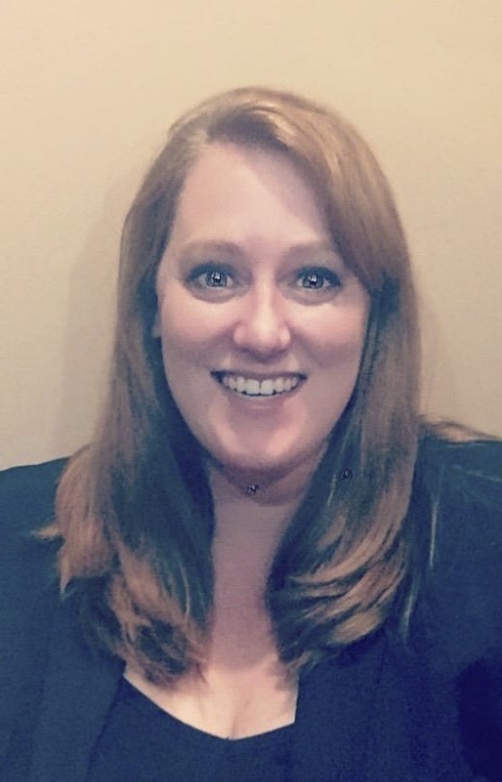
Andrea Avila is a licensed psychologist, certified forensic evaluator, and licensed attorney. She primarily works with people with serious mental illness who are also involved in the criminal justice system.
Lauren Lang is the founder of PADs Improve Care, a Georgia based organization aimed at educating individuals about psychiatric advance directives (PAD) and reducing barriers to completing one through community workshops. To date, she has partnered with 14 non-profit organizations to promote community education, provider education, and improve implementation surrounding the new Georgia PAD law. She has presented at two professional conference presentations for the International Society of Bipolar Disorders and the American Psychological Association. She has hosted two workshops between the Atlanta Behavioral Health Advocates and the Georgia Advocacy Office to match volunteers (predominantly from the Georgia Mental Health Consumer Network) one on one with individuals wishing to complete a PAD. One of these workshops was held specifically for clientele of the Dekalb Community Service Board Peer Program, where volunteers were able to cater to the specific needs of individuals with comorbid psychiatric and intellectual disabilities. Lauren has given educational presentations on PADs for the NAMI Cobb May Educational Meeting, the Georgia Association of Community Service Boards in partnership with the Georgia Advocacy Office, the Depression and Bipolar Support Alliance Speaker Series, and the Akin Mental Health Fireside Chat with Andrea Aliva, JD, PhD. She has also developed a training for Certified Peer Specialists that is certified to offer CEUs. Using this model she has trained volunteers from the Georgia Mental Health Consumer Network and staff at Policing Alternatives & Diversion Initiative. She has also provided an educational training for Georgia Legal Aid in partnership with the Georgia Advocacy Office. She has a publication in the Georgia Mental Health Consumer Network Pipeline Newsletter 2023 Volume 3 and has run booths at the NAMI Northside Mental Health Fair as well as the Gwinnett County Sheriff’s Office Community Mental Health Awareness Fair. Lauren is uniquely poised to offer training for professionals integrating knowledge of the legal statute, current procedures employed by psychiatric facilities, as well as the needs of the individuals utilizing the PADs.
Financially Sponsored By
- APA Division 18: Psychologists in Public Service