Open help menu
In Person
Global Collaborations & Innovations: Shaping Warfighter Resilience & Readiness

New Frontiers in Military Mental Health: Exploring Psilocybin Treatment for Veterans and Service Members

|

Pricing

Information

Date & Time

Location

Description

This workshop examines emerging research on psilocybin-assisted therapy and its potential relevance to Veterans and service members. Participants will review preliminary findings and key limitations concerning depression, PTSD, and other mental health conditions. The presentation will explore barriers to engagement in conventional treatment and aspects of military culture that may influence interest in and engagement with psilocybin-assisted therapy. Discussion will emphasize critical evaluation of the evidence and the need for further research in military populations.

Educational Goal

The educational goal of this workshop is to strengthen participants’ ability to critically evaluate emerging research on psilocybin-assisted therapy and its potential relevance to Veterans and service members. Participants will develop greater understanding of how military culture and treatment engagement barriers may inform discussion of this approach, while recognizing the limitations of the evidence.

Learning Objectives

Participants will be able to:

  • Identify at least three promising findings and key limitations of current research on psilocybin-assisted therapy for Veterans and service members in the treatment of depression, PTSD, and other mental health conditions.

  • Describe two aspects of military culture that may shape how Veterans and service members engage with and potentially benefit from psilocybin-assisted therapy.

  • Identify at least two barriers to engagement in conventional mental health treatment among Veterans and service members and explain their relevance to interest in psilocybin-assisted therapy.

Target Audience

  • Addiction Professional
  • Counselor
  • Marriage & Family Therapist
  • Psychologist
  • Social Worker

Presenters

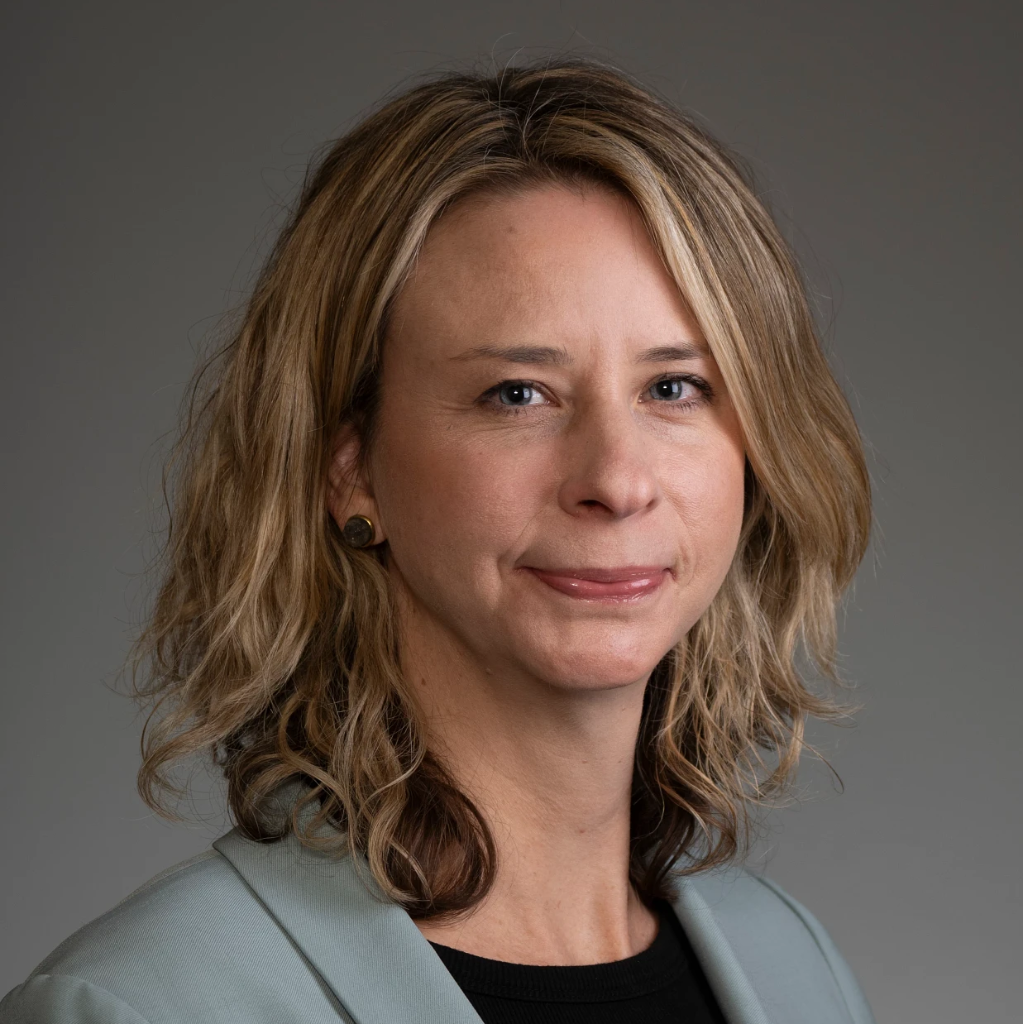
Dr. Kathryn (Katy) Barrs, PsyD, completed her doctorate in clinical psychology at the University of Denver in 2007. She is currently an Associate Clinical Professor in the Military Psychology specialty at the Graduate School of Professional Psychology at the University of Denver. After ten years of working for the Department of Veteran Affairs, she returned to the University of Denver eleven years ago to start and serve as the Clinic Director of the Sturm Center, a training clinic which serves Veterans, service members, and their families. She is also the principal investigator and co-author of the Strengthening Bridges Project military family grant, which hits close to home for her as she grew up in a military family. Dr. Barrs has provided direct psychological services and supervision at the Minneapolis V.A. Medical Center, the Boston V.A. Healthcare System, and the Denver Vet Center, where she served in the role of Military Sexual Trauma Treatment Coordinator. She has been featured in the documentary, Acronym, a timely expose about the nature of combat-related PTSD. Dr. Barrs is also the 2016 recipient of the American Psychological Association's Society for Military Psychology (Division 19) Arthur W. Melton Early Achievement Award. She also won the VFW Post 1 Citizen of the Year Award in 2019. Several years ago, she completed Naropa University's Psychedelic Assisted Therapy Certification and Elemental Psychedelics' Advanced Psilocybin Facilitator training track. Dr. Barrs also provides psilocybin facilitation services at Numia Healing Center in Denver and maintains a small private practice at Cactus Flower Center for Resiliency.

Financially Sponsored By

  • APA Division 19: Society for Military Psychology