Open help menu
Live Webinar

Military Culture 101: Essential Knowledge for Civilian Behavioral Health Providers

|

Information

Date & Time

Learning Objectives

Participants will be able to:

  • Describe key aspects of military culture, including branch structure, rank hierarchy, core values, and commonly used terminology.

  • Identify cultural factors that influence mental health presentations, help-seeking behaviors, and treatment engagement among service members and veterans.

  • Apply culturally responsive communication and treatment strategies when working with military-connected patients in behavioral health settings.

Educational Goal

The educational goal of this activity is to improve providers' knowledge of military culture and its influence on behavioral health treatment, enabling participants to communicate more effectively with military-connected patients, recognize common barriers to care, and apply culturally informed approaches that support engagement and clinical outcomes.

Description

This activity provides behavioral health providers with an introduction to military culture and its impact on mental health treatment. Participants will review military structure, terminology, values, and common experiences that influence communication, help-seeking behaviors, and treatment engagement among service members and veterans. The course also examines barriers to care, including stigma, career concerns, and confidentiality fears, while offering practical strategies for delivering culturally responsive behavioral health services.

Target Audience

  • Addiction Professional
  • Counselor
  • Marriage & Family Therapist
  • Nurse
  • Physician
  • Psychologist
  • Social Worker

Presenters

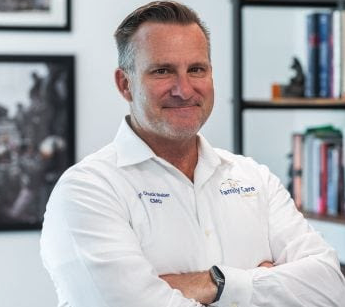
Charles (Chuck) Weber, DO
Dr. Charles Weber is a board-certified psychiatrist and Chief Medical Officer at Family Care Center, where he leads clinical strategy, oversees medical operations, and advances innovative behavioral health treatments, including Transcranial Magnetic Stimulation (TMS) and ketamine-assisted therapy. A retired U.S. Army physician with 28 years of service, Dr. Weber previously served as Chief of Behavioral Health at both Evans Army Community Hospital in Colorado and Martin Army Hospital in Georgia, as well as Division Psychiatrist for the 1st Cavalry Division during Operation Iraqi Freedom. He is board certified by the American Board of Psychiatry and Neurology and the American Board of Preventive Medicine in Addiction Medicine. Dr. Weber is a Fellow of the American Society of Addiction Medicine and an active faculty member with multiple institutions, including the University of Colorado–Colorado Springs and the Rocky Mountain University of Osteopathic Medicine. His research and clinical interests include post-traumatic stress disorder (PTSD), suicide prevention, and integrative approaches to addiction treatment. A frequent national speaker, Dr. Weber has presented for the Veterans Administration, the Behavioral Health Winter Symposium, and the University of Nevada School of Medicine. His work supporting veterans’ mental health has been featured on PBS, FOX21, and KRDO News, and he was recognized as the Pikes Peak Region’s Veteran Small Business Owner of the Year.
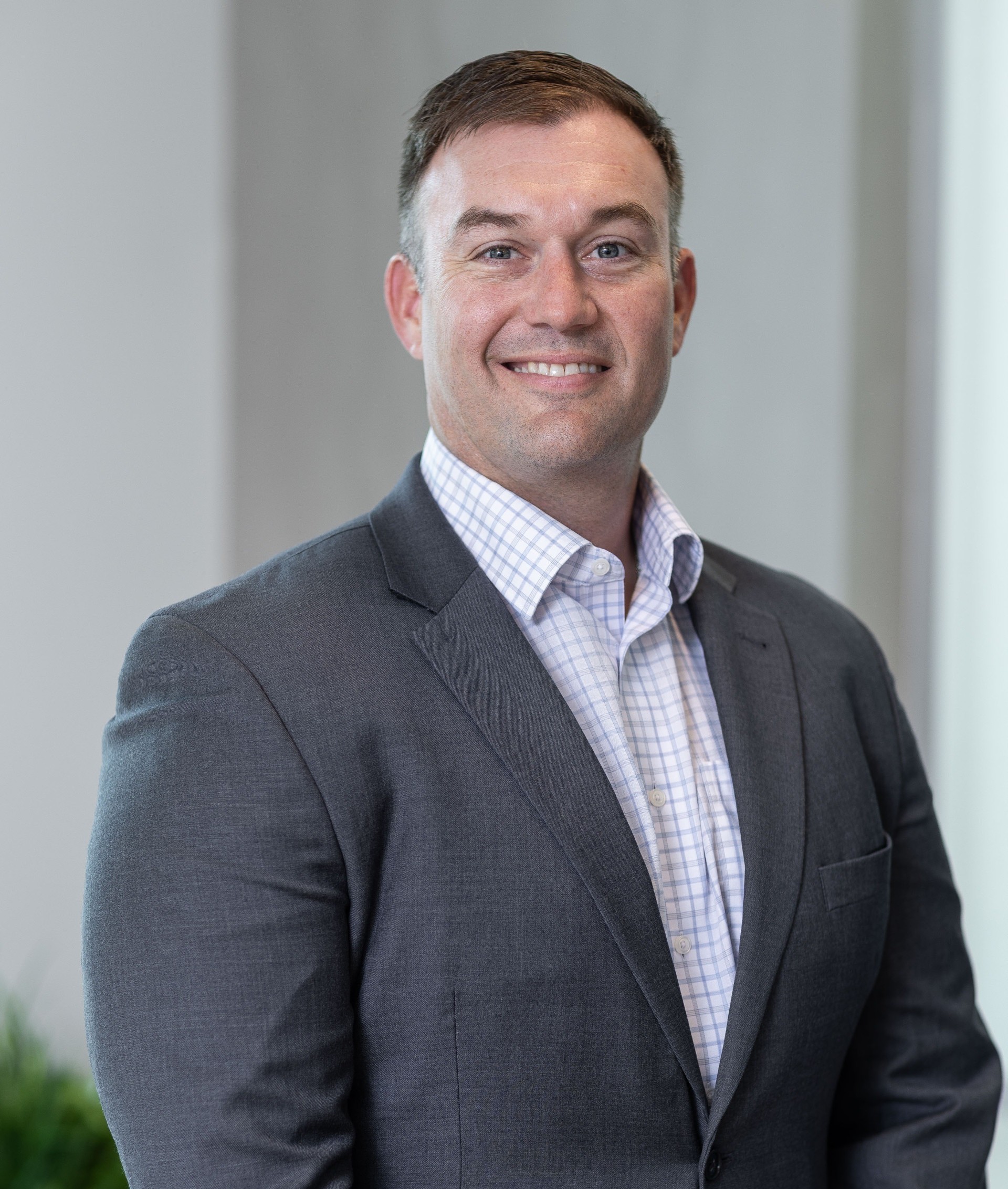
Mark Wesseler, LCSW, BCD, MHA, LTC(R), US Army
Mark Ryan Wesseler, LCSW, BCD, MHA, LTC(R), U.S. Army is the Clinic Director for Family Care Center's Stone Oak Clinic in San Antonio, Texas, where he provides clinical and operational leadership for a multidisciplinary behavioral health team. A Licensed Clinical Social Worker, Board Certified Diplomate, and retired U.S. Army Lieutenant Colonel, Mark brings more than 20 years of experience in behavioral health, healthcare administration, and military medicine. During his military career, he served as Regional Director of Psychological Health for U.S. Army Medical Readiness Command Europe, coordinating behavioral health services for service members and their families across Europe, and as a Brigade Behavioral Health Officer with the 82nd Airborne Division, deploying to Iraq in support of Operation Inherent Resolve. He earned a Master of Social Work through the Army–Fayetteville State University program and a Master of Healthcare Administration through the Army–Baylor University program, completing his administrative residency at Massachusetts General Hospital. Mark is trained in multiple evidence-based psychotherapies, including Cognitive Processing Therapy, Prolonged Exposure Therapy, EMDR, Acceptance and Commitment Therapy, and Cognitive Behavioral Therapy, and is passionate about advancing behavioral health leadership, trauma-informed care, and resilience for military members, veterans, and their families.

Financially Sponsored By

  • Family Care Center