Open help menu
Live Webinar

Medical Aid in Dying in an Oncology Setting: Opportunities, Challenges and Ethical Considerations.

|

Information

Date & Time

Learning Objectives

Participants will be able to:

  • Describe the ethical principles, legal frameworks, and key distinctions related to Medical Aid in Dying (MAID), including differences between MAID, physician-assisted suicide, euthanasia, and Death with Dignity laws in the United States and selected international contexts.

  • Identify clinical, cultural, spiritual, and ethical factors that influence patient inquiries about Medical Aid in Dying, including the role of personal bias, religious beliefs, and the assessment of rational suicide versus suicidal ideation.

  • Apply practical strategies for responding to patient questions about Medical Aid in Dying, including conducting appropriate suicide risk assessments, supporting advance care planning discussions, and providing policy- and state-appropriate education and referrals.

Educational Goal

The educational goal of this workshop is to provide healthcare professionals with a comprehensive, objective understanding of Medical Aid in Dying, including its ethical considerations, legal status, and variations in practice across jurisdictions. The session aims to equip participants with the knowledge and practical framework needed to respond thoughtfully, ethically, and within policy when patients raise questions about Medical Aid in Dying.

Description

This presentation provides an in-depth, evidence-informed overview of Medical Aid in Dying (MAID), examining its ethical foundations, legal frameworks, and practical implications for social work and healthcare practice. Participants will explore key distinctions among medical aid in dying, physician-assisted suicide, euthanasia, and death with dignity legislation, with a focus on current laws and processes in the United States, particularly Oregon, as well as international approaches in Canada and select European countries. The session addresses core ethical principles—including autonomy, beneficence, non-maleficence, and informed consent—and examines how religion, spirituality, culture, and personal bias can influence end-of-life decision-making. Special attention is given to the concept of rational suicide, the importance of comprehensive suicide risk assessment, and the role of advance care planning in distinguishing between suicidal ideation and legally permissible end-of-life options. Through case-based discussion and practical guidance, participants will gain strategies for responding when patients inquire about MAID, including assessment, supportive counseling, policy-aware education, and appropriate referrals. The presentation emphasizes the social worker’s role in ethical practice, self-awareness, and patient-centered care when navigating complex end-of-life conversations.

Target Audience

  • Social Worker

Presenters

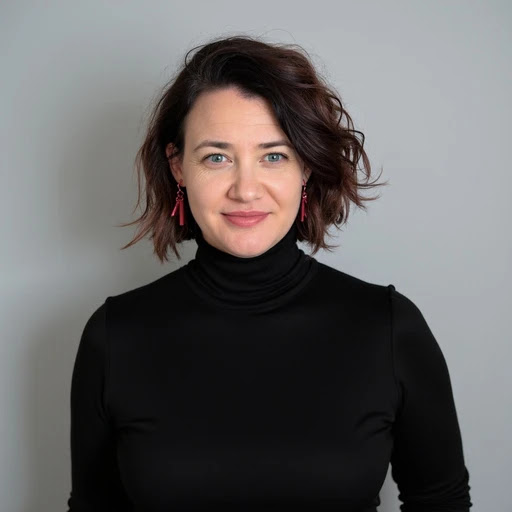
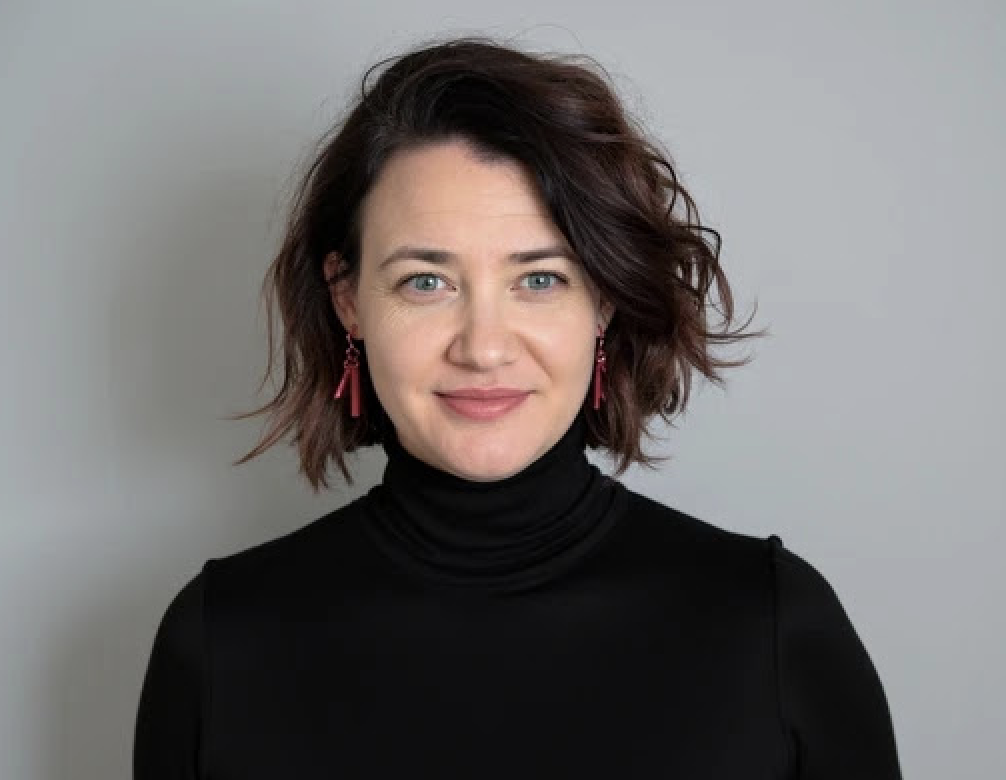
Teresa van Oort, MHA, MSSW, LCSW-S, FAOSW received a Bachelor of Business Administration (BBA) at Texas Tech University, a Master of Healthcare Administration (MHA) at Texas State University and a Master of Science in Social Work (MSSW) degree from the University of Texas at Austin. Teresa worked in consulting with Advisory Board Company after completing an Executive Fellowship and becoming Assistant Market Administrator with Kindred. After which she obtained her MSSW completing her clinical internship in the critical care step down unit with Seton. She then transitioned to MD Anderson Cancer Center where Teresa first worked on the Lymphoma/Myeloma unit as a Social Work Counselor providing coordination of patient’s bio-psycho-social needs, comprehensive assessment and counseling services. After which she transitioned to leadership as the Clinical Program Manager in a hybrid clinical/administrative capacity focusing on departmental and institutional operational priorities, analytics & metrics, information technology, process & standards improvement. Upon relocation to Chicago, Teresa worked as a Sr. Project Manager at University of Chicago Medicine with the Quality Performance and Improvement team, primarily focused on partnering with surgical teams to improve their patient care through enhanced clinical pathways and institutional ACP. Teresa currently works at the Association for Cancer Care Centers, ACCC, as a Program Manager focusing on oncology related quality improvement and AI/informatics programs. She is also a Lecturer at The University of Chicago, Crown School of Social Work, Policy and Practice teaching classes focused on social work’s role in healthcare settings & ethics and engages in consulting/speaking engagement on a variety of topics strategy (wellness & mental health, suicide, ACP, SDOH, MAID, patient needs assessment, social work technology and AI, analytics and productivity measures) as Executive Director of van Oort Consulting. She is an award-winning presenter, having spoken at local, national, and international conferences, like AOSW and Society for Social Work Leadership in Healthcare, on Advance Care Planning, suicide assessment, medical aid in dying, quality and performance improvement projects and productivity metrics. Teresa has published in Clinical Journal of Oncology Nursing, and has several additional abstracts under review.

Financially Sponsored By

  • Dana-Farber Cancer Institute - Division of Social Work