Open help menu
On-Demand
Meaning-Centered Psychotherapy for Patients with Cancer: Comprehensive Course Bundle

Meaning Centered Psychotherapy for Patients with Cancer: A Case Demonstration

|

Pricing

Information

Description

This course demonstrates individual Meaning-Centered Psychotherapy (MCP) delivered by an expert clinician to a patient living with advanced cancer. Through abbreviated demonstrations of all seven MCP sessions, participants observe how to introduce each session, explain the core sources of meaning, facilitate experiential exercises, and recognize and amplify sources of meaning within therapeutic dialogue. Expert commentary following each demonstration highlights MCP principles, clinical techniques, therapist skills, and the decision-making underlying specific interventions. By observing the full course of treatment, clinicians will deepen their understanding of MCP and be better prepared to apply this structured, evidence-based approach with patients facing serious illness in clinical practice.

Learning Objectives

Participants will be able to:

  • Explain at least three sources of meaning in Meaning-Centered Psychotherapy (MCP) to patients with cancer

  • Demonstrate use of MCP skills and techniques to facilitate discussions of meaning and address existential distress

  • Utilize the MCP seven-session evidence-based intervention to treat illness related distress in patients.

Educational Goal

The educational goal of this workshop is to increase clinical application skills of Meaning Centered Psychotherapy (MCP) with patients experiencing cancer or serious illness through a typical case example.

Target Audience

  • Addiction Professional
  • Counselor
  • Marriage & Family Therapist
  • Nurse
  • Physician
  • Psychologist
  • Social Worker

Presenters

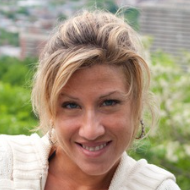
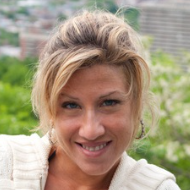
Wendy G. Lichtenthal, PhD, FT, FAPOS, is Director of the Center for the Advancement of Bereavement Care at the Sylvester Comprehensive Cancer Center and Professor in the Department of Public Health Sciences at the University of Miami Miller School of Medicine. She is a licensed clinical psychologist and has worked as a grief specialist for over 20 years. In 2005, she began her career at Memorial Sloan Kettering Cancer Center (MSK) in New York City, where she was Founding Director of the Bereavement Clinic and Associate Attending Psychologist, and where she now serves as Consultant Faculty. She was a recipient of the 2012 International Psycho-Oncology Society Kawano New Investigator Award, the 2019 Association for Death Education and Counseling Research Recognition Award, and the 2023 American Psychosocial Oncology Society Outstanding Clinical Care Award. She is a Fellow in Thanatology and was elected a Fellow of the American Psychosocial Oncology Society in 2024. Her federally-funded research has been supported by the National Institutes of Health and numerous foundations and focuses on grief and bereavement, cancer survivorship, intervention development and evaluation, and finding meaning in the face of adversity. She is an inventor of the Meaning-Centered Grief Therapy and EMPOWER intervention manuals used in her research. She offers services in speaking, consulting, and psychotherapy through Light in the Valley LLC. As a Co-Founder of PsyOnc Partners, LLC, an organization focused on training the workforce of psychosocial oncology professionals, she is committed to delivering training in evidence-based psycho-oncology.
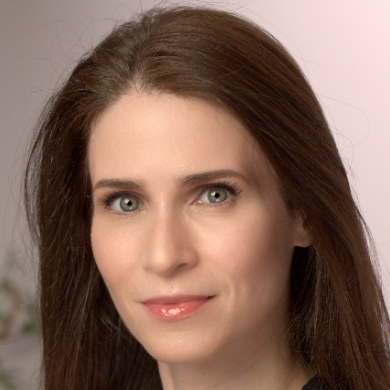
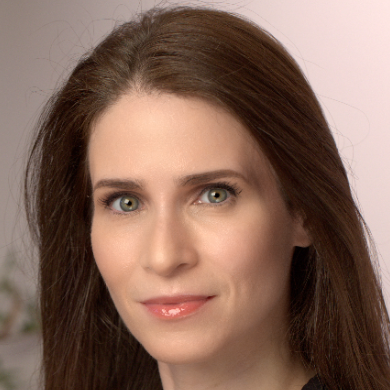
Dr. Allison Applebaum, PhD, FAPOS, is a caregiving scientist, writer, researcher, speaker, and advocate. She is a Professor of Geriatrics and Palliative Medicine and the Director of the Steven S. Elbaum Family Center for Caregiving at the Icahn School of Medicine at Mount Sinai. She was previously the Founding Director of the Caregivers Clinic at Memorial Sloan Kettering Cancer Center, the first program of its kind in the United States to provide comprehensive psychosocial care to family members and friends of patients who are in the caregiving role. Dr. Applebaum’s program of research focuses on the development and dissemination of supportive services for family caregivers. She has published over 100 articles, reviews, and book chapters on these topics, and is the editor of the textbook Cancer Caregivers (Oxford University Press, 2019). Dr. Applebaum has received competitive funding for her research, including awards from the National Cancer Institute, the National Institute of Nursing Research, and the American Cancer Society. She is also the author of the recently published narrative nonfiction book, Stand By Me: A Guide to Navigating Modern, Meaningful Caregiving (Simon Element, 2024). As a Co-Founder of PsyOnc Partners, LLC, an organization focused on training the workforce of psychosocial oncology professionals, she is committed to delivering training in evidence-based psycho-oncology.

Financially Sponsored By

  • PsyOnc Partners