Open help menu
Live Webinar

Meaning-Centered Psychotherapy for Cancer and Other Serious Illnesses: When You Can’t Fix What Hurts

|

Information

Date & Time

Description

What can therapists offer when illness, loss, or uncertainty cannot be fixed? Meaning-Centered Psychotherapy (MCP) provides an evidence-based framework for helping people reconnect with meaning, identity, and purpose amid serious illness and other forms of suffering. In this introductory session, MCP experts Wendy Lichtenthal, Allison Applebaum, and Hayley Pessin will trace MCP’s origins, introduce its core principles and four sources of meaning, and share a glimpse of its experiential approach through selected training clips. Participants will also learn about further MCP training opportunities through TPN.health and join an interactive question-and-answer discussion designed to deepen clinical confidence and curiosity about this approach.

Learning Objectives

Participants will be able to:

  • Describe existential distress and recognize how it contributes to suffering in medically ill patients

  • Describe at least three clinical indicators to select patients in clinical practice who may benefit from an MCP intervention.

  • Identify ways the meaning-centered treatment approach and MCP techniques may be implemented in clinical practice.

Educational Goal

The educational goal of this workshop is to increase knowledge of Meaning Centered Psychotherapy (MCP) and how clinicians can use it to help patients who are experiencing cancer or serious illness cope better with the uncertainty and distress around their illness. Clinicians will learn about training opportunities to become more skilled at delivering MCP.

Target Audience

  • Addiction Professional
  • Counselor
  • Marriage & Family Therapist
  • Nurse
  • Physician
  • Psychologist
  • Social Worker

Presenters

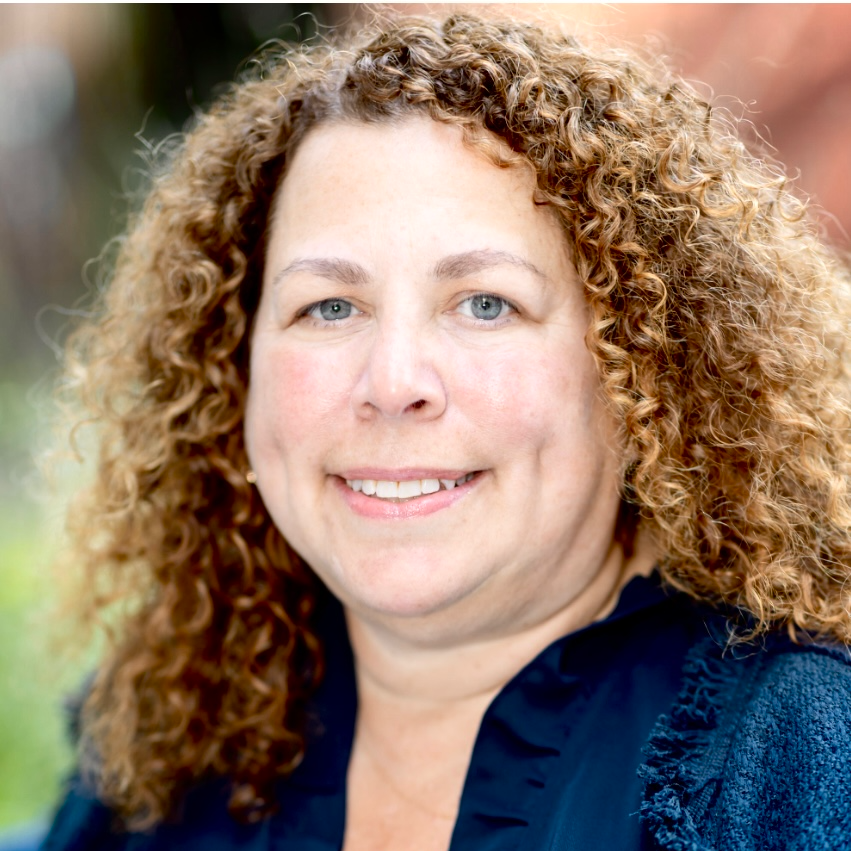
Wendy G. Lichtenthal, PhD, FT, FAPOS is Director of the Center for the Advancement of Bereavement Care at the Sylvester Comprehensive Cancer Center and Professor in the Department of Public Health Sciences at the University of Miami Miller School of Medicine. She is a licensed clinical psychologist and has worked as a grief specialist for over 20 years. In 2005, she began her career at Memorial Sloan Kettering Cancer Center (MSK) in New York City, where she was Founding Director of the Bereavement Clinic and Associate Attending Psychologist, and where she now serves as Consultant Faculty. She was a recipient of the 2012 International Psycho-Oncology Society Kawano New Investigator Award, the 2019 Association for Death Education and Counseling Research Recognition Award, and the 2023 American Psychosocial Oncology Society Outstanding Clinical Care Award. She is a Fellow in Thanatology and was elected a Fellow of the American Psychosocial Oncology Society in 2024. Her federally-funded research has been supported by the National Institutes of Health and numerous foundations and focuses on grief and bereavement, cancer survivorship, intervention development and evaluation, and finding meaning in the face of adversity. She is an inventor of the Meaning-Centered Grief Therapy and EMPOWER intervention manuals used in her research. She offers services in speaking, consulting, and psychotherapy through Light in the Valley LLC. As a Co-Founder of PsyOnc Partners, LLC, an organization focused on training the workforce of psychosocial oncology professionals, she is committed to delivering training in evidence-based psycho-oncology.
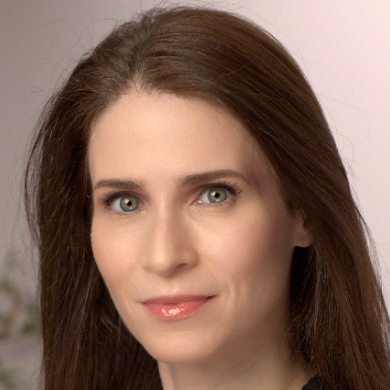
Dr. Hayley Pessin, PhD, is a licensed Psychologist, who has been conducting ongoing research and training in the development and dissemination of psychological interventions for medically ill patients at Memorial Sloan Kettering Cancer Center for over 20 years. For the past 10 years, Dr Pessin has overseen the NCI grant funded Meaning-Centered Psychotherapy Training Program (MCPT), which teaches clinician who provide psychosocial care to cancer patients to address existential distress. In addition, she has served as interventionist and supervisor on randomized controlled trials and has extensive clinical experience in Interpersonal Psychotherapy (IPT), Cognitive Behavior Therapy (CBT), Acceptance and Commitment Therapy (ACT), Dialectical Behavior Therapy (DBT), and Meaning Centered Psychotherapy (MCP) for cancer patients. She is well published in the areas of the emotional impact of illness in advanced cancer patients and end-of-life issues. She also has a private practice in Manhattan where she specializes in providing evidenced based solution focused therapy to patients with medical illnesses and psychological distress. As a Co-Founder of PsyOnc Partners, LLC, an organization focused on training the workforce of psychosocial oncology professionals, she is committed to delivering training in evidence-based psycho-oncology. Dr Pessin received her doctorate in Clinical Psychology from Fordham University, completed her clinical internship at Long Island Jewish Medical Center-Hillside Hospital, and completed her training in an NCI-funded pre-doctoral research fellowship at Memorial Sloan-Kettering Cancer Center. She is currently a volunteer faculty member at New York Presbyterian Hospital.
Dr. Allison Applebaum, PhD, FAPOS, is a caregiving scientist, writer, researcher, speaker, and advocate. She is a Professor of Geriatrics and Palliative Medicine and the Director of the Steven S. Elbaum Family Center for Caregiving at the Icahn School of Medicine at Mount Sinai. She was previously the Founding Director of the Caregivers Clinic at Memorial Sloan Kettering Cancer Center, the first program of its kind in the United States to provide comprehensive psychosocial care to family members and friends of patients who are in the caregiving role. Dr. Applebaum’s program of research focuses on the development and dissemination of supportive services for family caregivers. She has published over 100 articles, reviews, and book chapters on these topics, and is the editor of the textbook Cancer Caregivers (Oxford University Press, 2019). Dr. Applebaum has received competitive funding for her research, including awards from the National Cancer Institute, the National Institute of Nursing Research, and the American Cancer Society. She is also the author of the recently published narrative nonfiction book, Stand By Me: A Guide to Navigating Modern, Meaningful Caregiving (Simon Element, 2024). As a Co-Founder of PsyOnc Partners, LLC, an organization focused on training the workforce of psychosocial oncology professionals, she is committed to delivering training in evidence-based psycho-oncology.

Financially Sponsored By

  • PsyOnc Partners