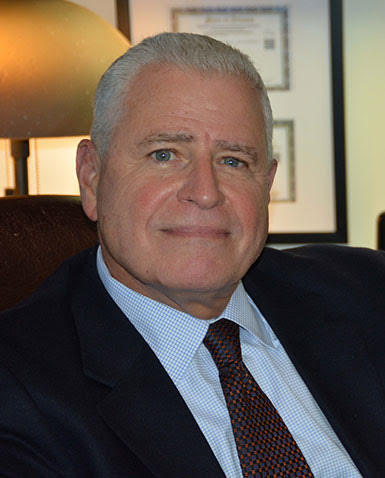
Following his education at Yale, The Chicago Medical School, Northwestern University Medical School Psychiatry Residency and The Chicago Institute for Psychoanalysis, Dr. Viner has over four decades of experience applying the clinical and research knowledge of neuroscience, psychiatry and psychoanalysis to the challenge of creating meaningful and pragmatically effective treatment programs.
Since 2005, Dr. Viner has been the Founder, CEO and Chief Medical Officer at Yellowbrick, a national referral center for intensive, comprehensive treatment of troubled emerging adults. He is also CEO and Chief Medical Officer of Synchrony Brain Health, a neuroscience-oriented outpatient psychiatric practice. Dr. Viner previously has served as the Medical Director for Inpatient Services at Northwestern Memorial Hospital/Northwestern Feinberg School of Medicine, Four Winds Chicago Hospital and University Behavioral Health, an outpatient group practice.
Dr. Viner has served on the faculties of Northwestern University Feinberg School of Medicine, the Chicago Psychoanalytic Institute and Rosalind Franklin University of Health Sciences/The Chicago Medical School. He is Secretary of the Board of Trustees at The Chicago Psychoanalytic Institute and Chair of the Ethics Committee at both the Chicago Psychoanalytic Institute and the American Psychoanalytic Association.
Dr. Viner has been Board Certified in Psychiatry & Neurology and Forensic Psychiatry and is a Distinguished Life Fellow of the American Psychiatric Association. He is the recipient of the Illinois Psychiatric Society 2016 Award for Excellence & Innovation in Clinical Services.
Dr. Viner is parent to 4 daughters and 2 sons, and Saba to eight grandchildren.
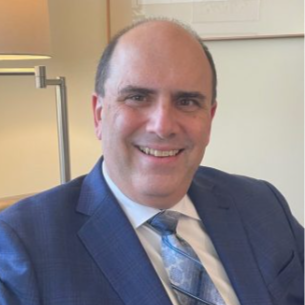
David Baron, MD, was born and raised in part in New York City, and later in Livingston, New Jersey. He received his B.A. in Psychology (magna cum laude) and M.D. degrees from Case Western Reserve University in Cleveland, Ohio. Dr. Baron went on to complete his psychiatry residency at Tufts/New England Medical Center in Boston, Massachusetts.
Dr. Baron is a Clinical Assistant Professor at Rosalind Franklin University/The Chicago Medical School. In that role, he supervised psychiatric residents in their community psychiatry rotation for 15 years. He also served as Administrative Psychiatrist, and Interim Director of Mental Health Services, for the DuPage County Health Department, supervising 50 psychiatrists and over 200 other clinical staff.
Dr. Baron’s clinical and administrative experience, including nearly 25 years in private practice, since completing his training in 1989 has been within a developmental neurobiological understanding of mental illness. Over the course of his career, he has worked to understand mind and brain as different languages for the same essential human experience, including the complexity of neuroscience, the evolutionary basis of the human brain and behavior, and the deeply personal subjective experience of every individual.
Dr. Baron has been part of the Yellowbrick professional staff since 2012, serving as Medical Director since 2015. In this capacity he has led a team of seasoned and dedicated professionals in the intensive treatment of troubled Emerging Adults, using a multidisciplinary and integrated approach. This has allowed him to participate in treatment that taps a wide range of scientifically supported psychotherapeutic and neurobiological resources within the context of a supportive and non-restrictive therapeutic community, including a supported Residence.
Dr. Baron is certified by the American Board of Psychiatry and Neurology and is a Distinguished Life Fellow of the American Psychiatric Association. He served on the Ethics Committee of the Illinois Psychiatric Society as a member from 2001 to 2006, and as Chairman from 2006 to 2011.
Dr. Pete Myers, Psy.D., earned a doctorate in clinical psychology, a master’s degree in the social sciences, and a bachelor’s degree in liberal arts psychology. With a rich background spanning 33 years, Dr. Myers' expertise is deeply rooted in psychodynamic and family systems-based approaches. For most of his career, he worked at a residential and therapeutic school for children and adolescents with profound mental health and special educational needs connected to the University of Chicago. His career there began as a direct care staff member and overtime grew into leadership roles, including Clinical Director and Co-Executive Director of the school and the Director of its residential and outpatient transitional program for emerging young adults. Four years ago, he returned to more clinically focused work, where he has always felt most passionate. He now works at Yellowbrick, a psychiatric clinic and supportive Residence for emerging young adults with a Developmental Psycho-Neurobiological approach. He also has worked as a psychometrician and outpatient therapist and interned as a psychologist at the Manhattan Psychiatric Center in New York City and Cook County Jail in Chicago. Dr. Myers is a board member of the Association of Children’s Residential and Community. He has been a part-time lecturer at Northeastern Illinois University, the University of Chicago’s Crown Family School of Social Work, Policy, and Practice and the Chicago School of Professional Psychology, Chicago Campus. He believes strongly in being a leader and advocate for quality interventions for LGBTQ+ individuals, particularly gender-diverse individuals. He is committed to collaborating with each person as a unique individual and values each person’s distinctive and diverse characteristics, including race, ethnicity, gender, sexuality, religion, and ability.
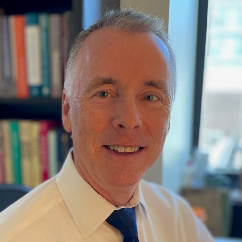
Bryn Jessup, PhD, is the Director of Family Services & Systems at Yellowbrick, an intensive, neurobiologically-informed treatment program for young adults and their families. He received his PhD in Clinical Psychology from the University of Michigan in 1984, where he developed an enduring interest in adolescent and young adult development, trauma, and family therapy. Following a postdoctoral fellowship at the University of Michigan Children’s Hospital, he joined the staff at Children’s Memorial Hospital in Chicago, where he became the Associate Clinical Director of its Inpatient Psychiatry Unit. He also served on the adjunct faculty of Northwestern University from 1986 through 2011. He joined The Phoenix Institute in 1996, a Chicago-based psychotherapy practice group specializing in trauma, and continued outpatient work with children, adolescents, adults, and families in private practice before joining Yellowbrick in 2015.
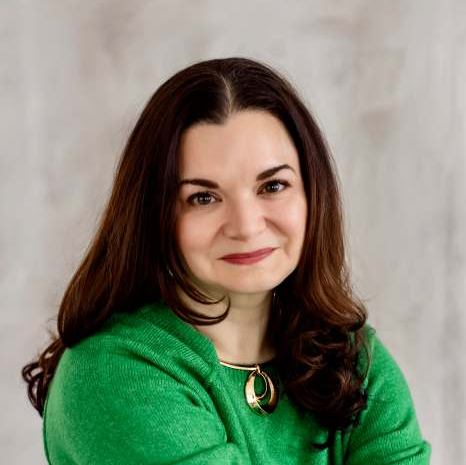
Taylor received a bachelor’s degree in psychology with a minor in criminal justice from the University of Louisville in her hometown of Louisville, Kentucky. She came to the Chicagoland area by way of graduate education, earning her master’s in occupational therapy from the University of Illinois at Chicago. Prior to becoming an occupational therapist, Taylor worked as an employment specialist for a non-profit and has a special affinity for productive role re-engagement. Throughout her clinical experience, Taylor has worked in mental and behavioral healthcare across the lifespan and continuum of care, working with residential substance use programs, inpatient psychiatric facilities, rehabilitation facilities, community integration services, and various levels of outpatient care. Her greatest passion is providing patients with the encouragement, support, and tools to engage in the roles and activities that serve them and let go of those that do not. Taylor now calls Chicago home and in her spare time values time spent with friends and family, exploring new restaurants and local fests, staying active, and spending time at home with her husband and three cats.
Dr. Roger Pottanat is the Medical Director of McLean’s 3East Residential DBT Programs and Founder & Director at Boston Precision Neurotherapeutics. An Instructor at Harvard Medical School, he specializes in TMS, DBT, and neurotherapeutic innovations. He’s committed to bridging advanced research with compassionate, evidence-based clinical care.
Kerry Horrell, PhD is the Inpatient Services Coordinator and a staff psychologist at The Menninger Clinic and an Assistant Professor in the Department of Psychiatry and Behavioral Sciences at Baylor College of Medicine. She earned her bachelor’s degree in Psychology and Social Behavior from the University of California, Irvine and her master’s and doctorate degrees in Clinical Psychology from Rosemead School of Psychology at Biola University. Dr. Horrell also completed her predoctoral internship and postdoctoral fellowship at The Menninger Clinic, where she worked primarily with the young adult units. Her areas of interest surround gender and sexuality, religion and spirituality, and the assessment and treatment of shame, trauma, and attachment problems.
Spencer Biel, PsyD, is the director of the Online Intensive Outpatient Program for college students and emerging adults in Massachusetts.
After completing a four-year fellowship at the Austen Riggs Center, Dr. Biel was hired as a full-time staff psychologist and worked for eight years in the residential program, including in roles as assistant team leader, testing and psychotherapy supervisor, and associate director of the Therapeutic Community Program.
As the founding director of the Online IOP, Dr. Biel has shaped the program based on his expertise working with young adults and commitment to increasing access to treatment that promotes deep self-understanding and opportunities for lasting change. For nearly two decades, he has focused clinically on young adults’ efforts to grow from being a child in a family to an adult in the world, directing special attention to the interplay between family and social dynamics and emotion regulation. In the IOP, his staff applies a psychodynamic systems approach, integrating dyadic and social learning so participants can understand developmental influences on their social positioning, translate their symptoms into more straightforward, intelligible communications to others, and deepen authentic interpersonal engagement both inside and beyond the program. This team approach promotes key components of emerging adulthood such as epistemic trust, identity coherence and flexibility, agency, and social belonging.
Dr. Biel is also in private practice in Chicago, where he is a clinical supervisor and treats adolescents, adults, couples, and families. He has published and presented on psychological testing, suicidality, therapeutic communities, and psychodynamic systems approaches to treatment. Currently, he is investigating uses and misuses of hope in psychotherapy.
Dr. Pachan serves as a staff psychologist at the Lindner Center of Hope in the adult residential program.
She earned a Master’s and PhD in Clinical Psychology from Loyola University Chicago, with a specialization in child and family psychology. She completed her predoctoral internship at Cambridge Health Alliance – Harvard Medical School, and her postdoctoral fellowship at Illinois Institute of Technology, while serving as an Assistant Professor of Psychology.
Her background in clinical psychology across the lifespan informs her work as a psychodynamic psychologist, with a deep appreciation for the way experiences shape personality development and the etiology of mental health issues. She recognizes that all symptoms are stories, which once existed as responses to a set of earlier circumstances.
Dr. Pachan’s training in depth psychology has included fellowships, coursework, and study groups through the Chicago Center for Psychoanalytic Psychotherapy. Her interest in the impact of divorce led her to complete a training certificate in Divorce Mediation at Northwestern University. She has served on the boards of interdisciplinary organizations for the promotion of best practices at the intersection of psychology and the law.
Her psychotherapy expertise is complemented by executive experience leading a group private practice for over a decade. She also has experience in solo practice and academic settings. She has authored over 30 scientific publications and presentations. Her current research interests include the application of machine learning to psychotherapy practice management, and the amelioration of reflective function through interaction with AI tools. Her practice philosophy is object-relational, social-constructivist, and existential, with integration of dialectical behavioral skills.
She specializes in treating disordered personality traits, depression, trauma, cultural variations in mental illness, and underachievement.