Open help menu
Live Webinar

Intervention Along the Continuum

|

Pricing

Information

Date & Time

Description

This workshop explores evidence-based approaches to preventing problematic and excessive alcohol use, including CDC-endorsed strategies. Participants will learn about models of relapse prevention and evidence-based treatment approaches. Finally, this session will cover the development and implementation of neuroscience-informed universal prevention substance use programming into middle and high schools.

Learning Objectives

Participants will be able to:

  • Identify at least three evidence-based strategies for preventing excessive alcohol use, including CDC-recommended population-level and clinical interventions.

  • Integrate relapse prevention models to guide case conceptualization and tailored treatment planning.

  • Describe at least two mechanisms through which peer support and community-based recovery programs (e.g., mutual-help groups, CRPs) reduce relapse risk and support sustained recovery.

  • Explain how neuroscience‑informed prevention strategies can improve substance use outcomes for youth.

Educational Goal

Participants will understand how to implement evidence-based prevention strategies and increase familiarity with the cycle of addiction, predictors of relapse, and intervention strategies. They will also understand how peer-led recovery supports and relapse-informed frameworks can be integrated into prevention-oriented, recovery-supportive environments, particularly within higher education settings. The presentation will review existing substance use prevention programming and cover recent efforts to develop a school-based universal neuroscience-informed prevention program to reduce youth SUDs, as well as opioid-related deaths.

Target Audience

  • Addiction Professional
  • Counselor
  • Marriage & Family Therapist
  • Psychologist
  • Social Worker

Presenters

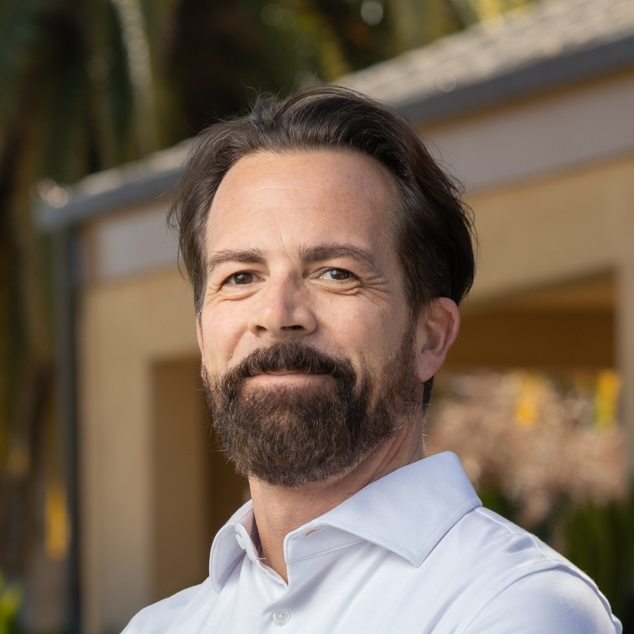
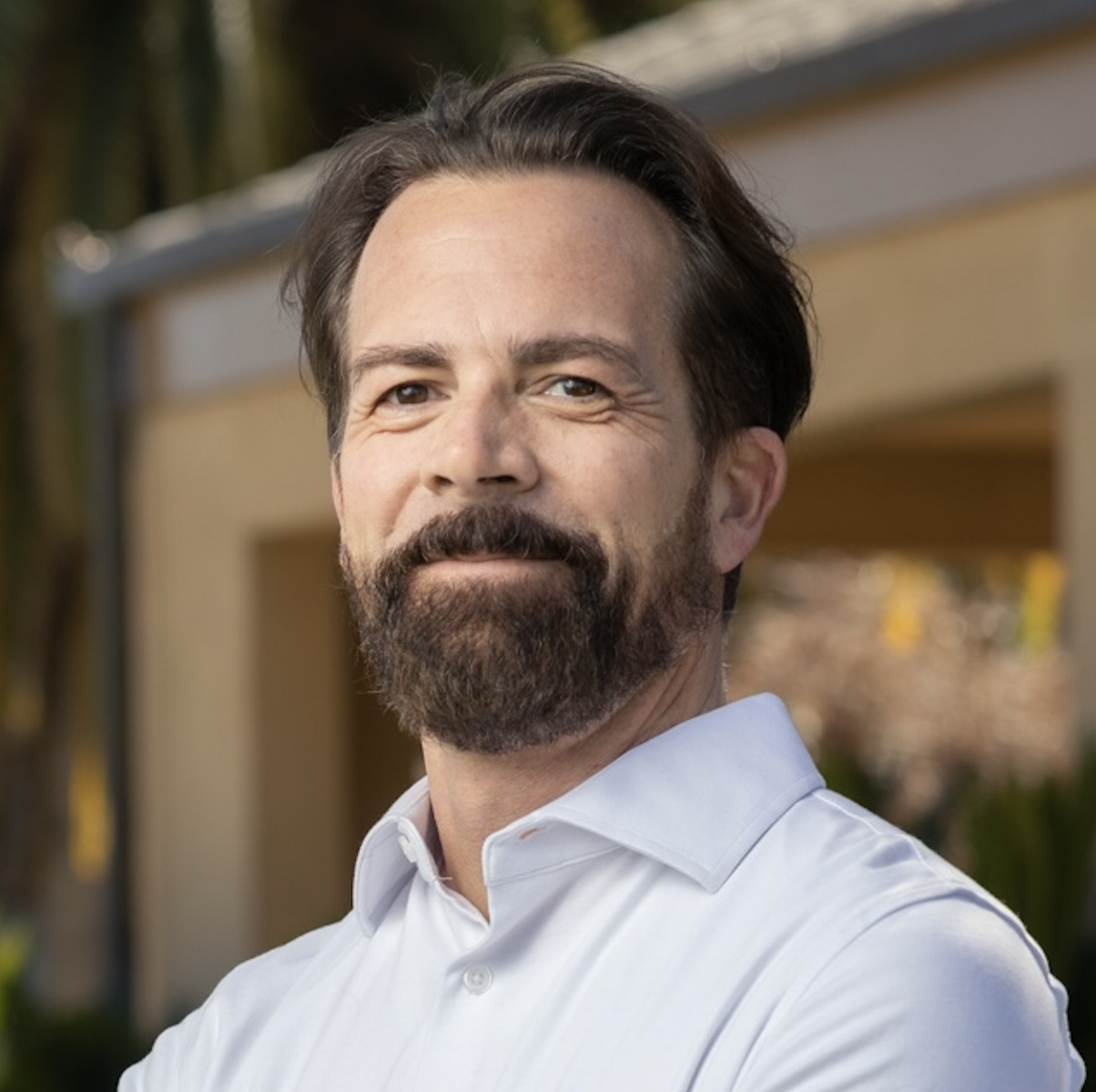
Noel Vest, Ph.D., is an Assistant Professor at the Boston University School of Public Health. As a formerly incarcerated scholar, Dr. Vest advocates for social justice issues and public policy concerning substance use disorder recovery and prison reentry. His research interests include mental health, substance use disorders, poverty, social justice, addiction recovery, and pain. He was recently awarded a K01 early investigator award through the National Institute of Drug Abuse to study collegiate recovery programs through an implementation science lens. He received his Ph.D. and Master’s degrees in Experimental Psychology from Washington State University. He recently finished a postdoc in the Department of Anesthesia at Stanford Medicine.
Jeremy Luk, PhD
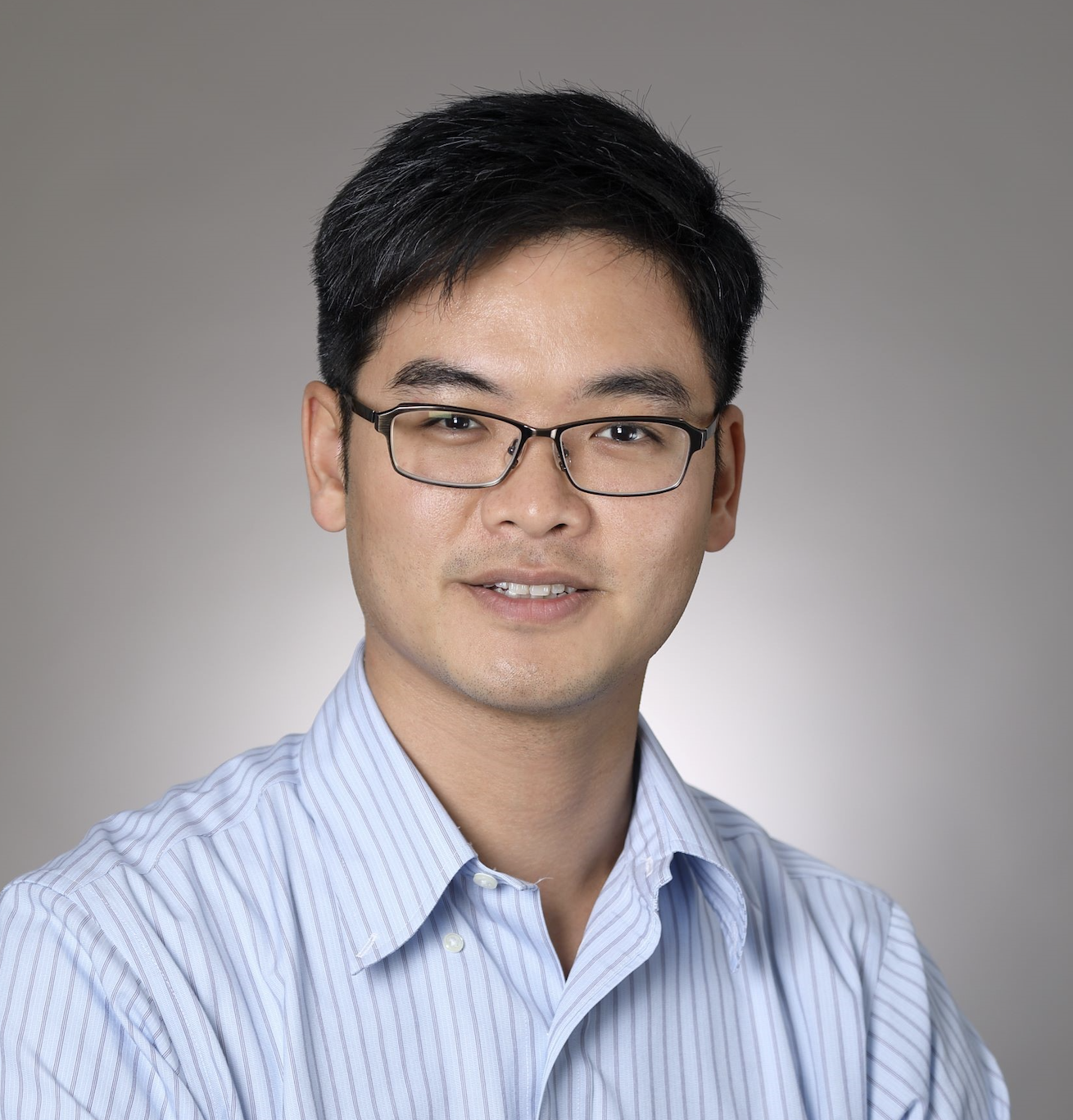
Dr. Jeremy Luk is a licensed clinical psychologist with research expertise in alcohol use, mental health, addiction treatment, and statistical methods. He is board-certified in addiction psychology. He obtained his Ph.D. in clinical psychology from the University of Washington in 2015, and subsequently received postdoctoral training at the University of California, San Diego (2015-2016) and at the Eunice Kennedy Shriver National Institute of Child Health and Human Development (2016-2018). After gaining two additional years of professional experiences as a research scientist and a subject matter expert, he returned to the NIH and joined the OCD of NIAAA as a clinical psychologist in July 2020. In his current role, Dr. Luk provides clinical services to patients with alcohol use disorder and supervises doctoral students in clinical psychology for their clinical externship. His recent research focuses on understanding multidimensional quality of life in the context of recovery and the application of third-wave behavioral therapies (e.g., dialectical behavior therapy skills training) to treat addictive behaviors. He was the recipient of the 2023 NIAAA Clinical Service Award and the 2024 NIAAA Mentor Award.
Lindsay Squeglia, PhD
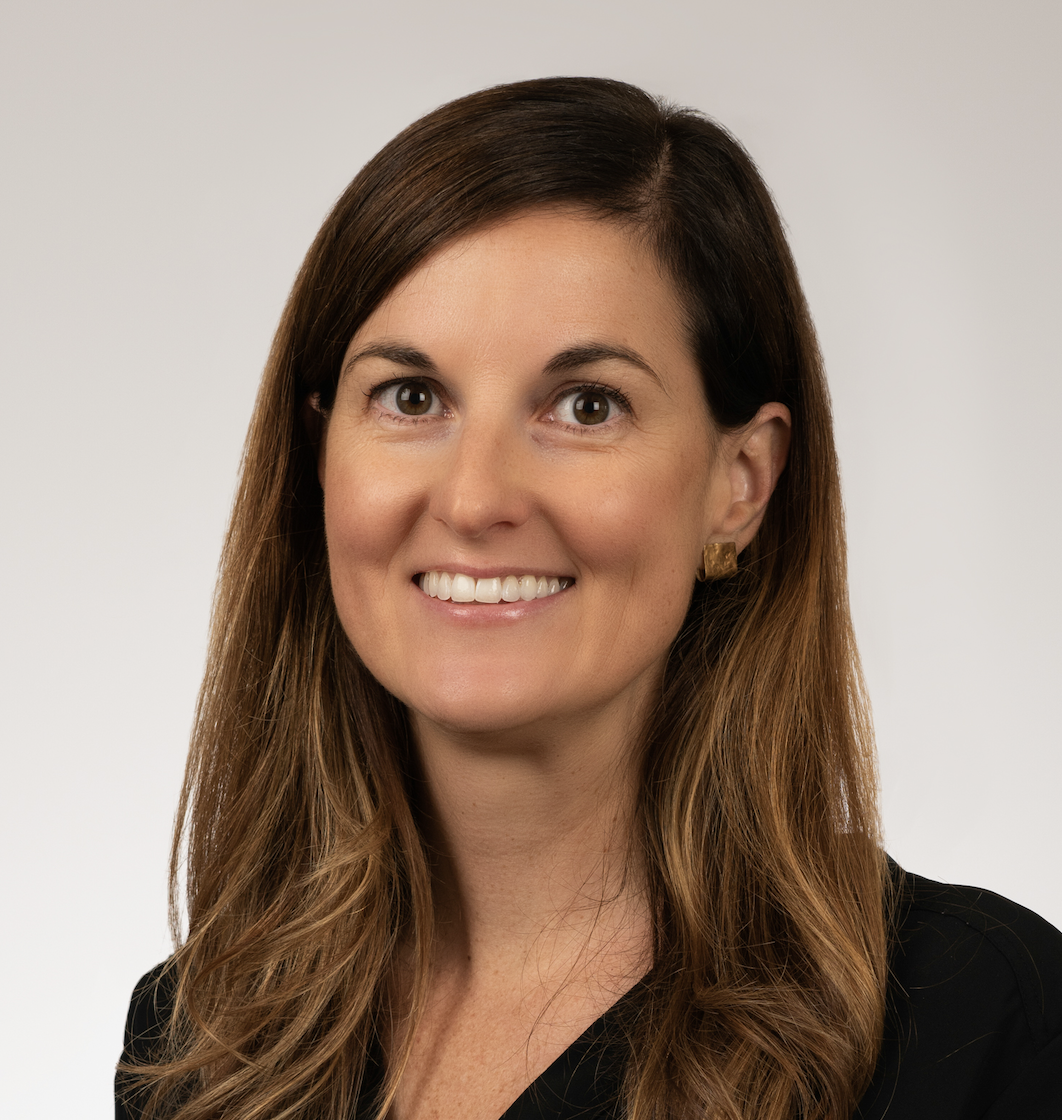
Dr. Lindsay Squeglia is a Professor and licensed clinical psychologist at the Medical University of South Carolina (MUSC) in the Department of Psychiatry and Behavioral Sciences. She is the co-Director of the MUSC Youth Collaborative, and her National Institutes of Health-supported research focuses on: (1) understanding the effects of alcohol and cannabis use on brain development and (2) using neuroscience to improve prevention and treatment of adolescent substance use disorders. She co-leads MUSC's site for the nationwide Adolescent Brain Cognitive Development Study (ABCD) and has served in various roles on the ABCD Steering Committee, Novel Technology Workgroup, and Community Engagement and Dissemination Workgroup. She has a strong interest in community outreach and education efforts and leads the MUSC High School Teen Science Ambassador Program, providing high school students with a three-phase internship experience in academic clinical research.  

Dr. Squeglia is originally from South Carolina and grew up in the Charleston area. She received a Bachelor’s degree in Experimental Psychology at the University of South Carolina and a PhD in Clinical Psychology from the San Diego State University/University of California San Diego (UCSD). She completed her clinical internship in neuropsychology at the University of California Los Angeles and her postdoctoral fellowship in neuroimaging at UCSD. In 2023, she completed her Fulbright Senior Scholar fellowship at the University of Sydney, establishing a cross-national collaboration between the United States and Australia to improve health outcomes globally for youth struggling with substance use and mental health issues.  

Dr. Squeglia is open to working with trainees at all career levels with an interest in understanding and addressing youth substance use. Potential trainees with prior substance use research experience who have an interest in working with data from ongoing or completed MUSC Youth Collaborative clinical trials studies and/or ABCD data are particularly encouraged to apply.

Financially Sponsored By

  • Research Society on Alcohol