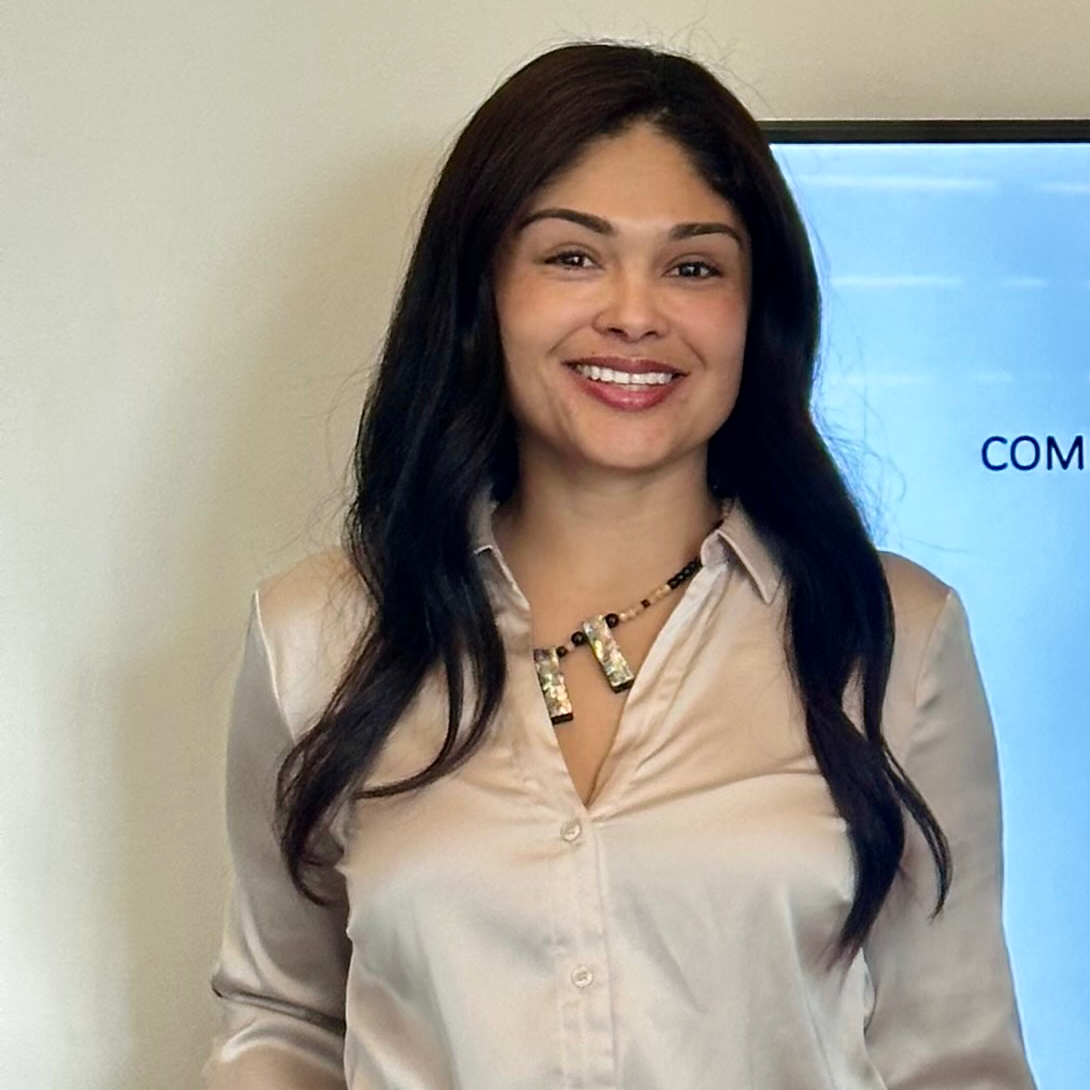
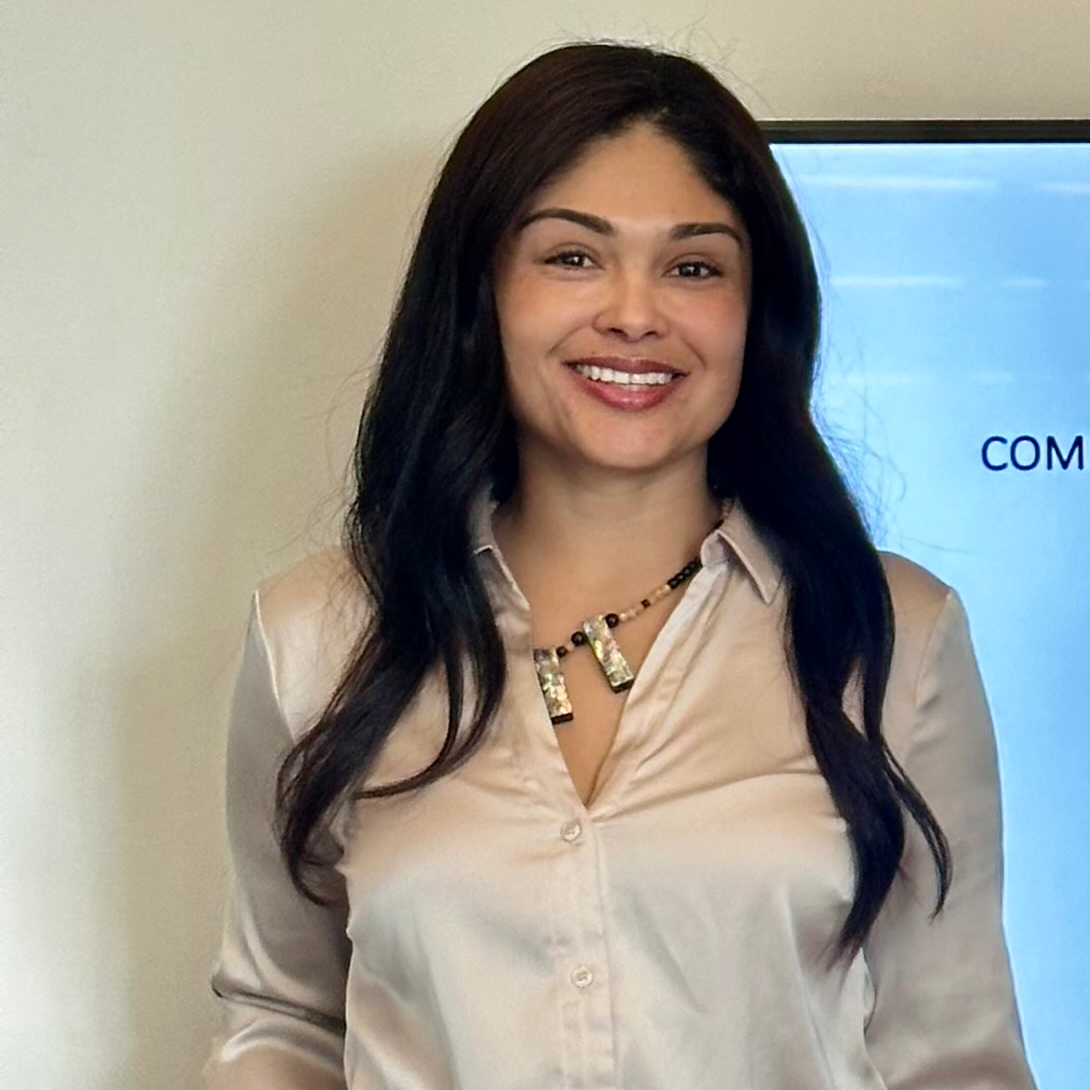
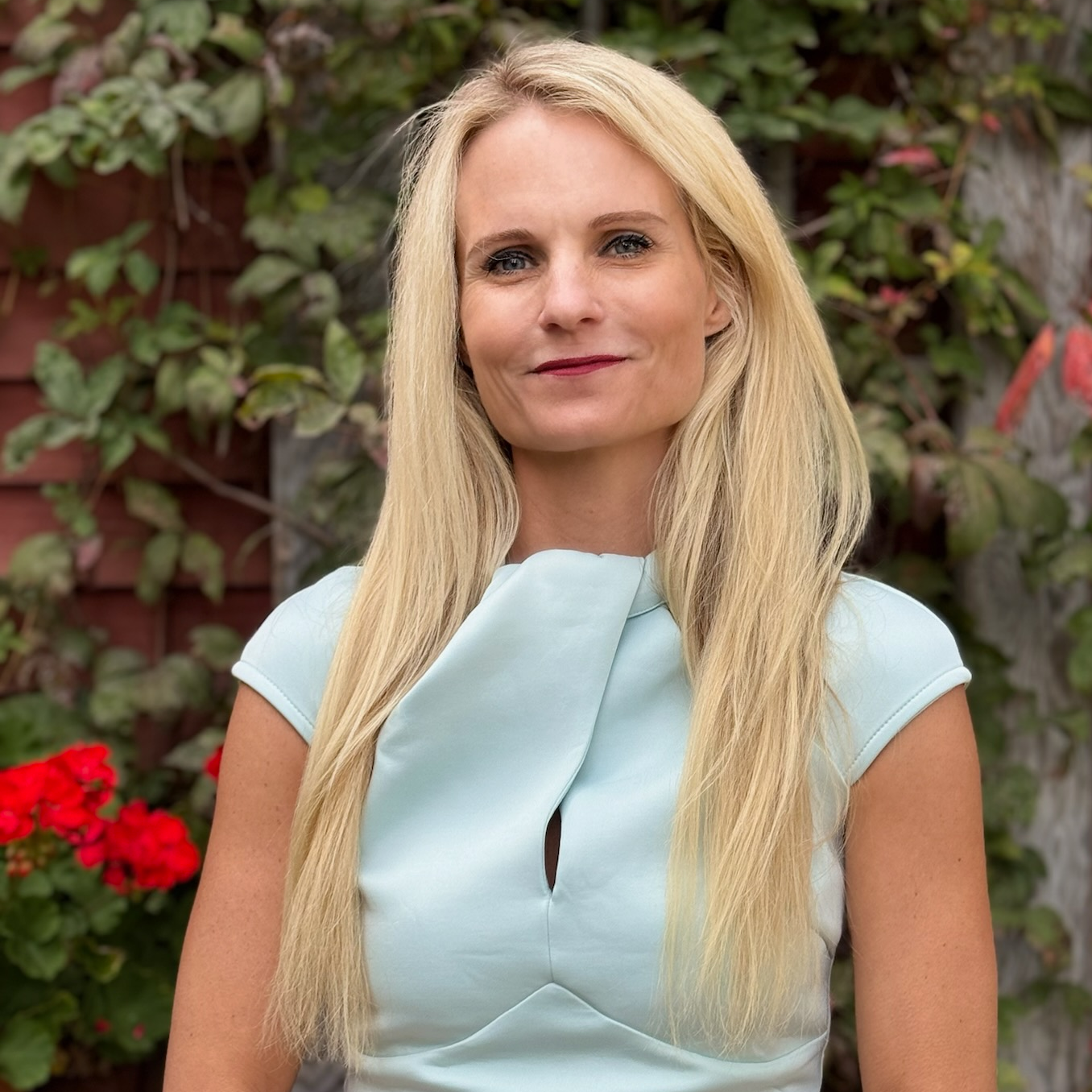
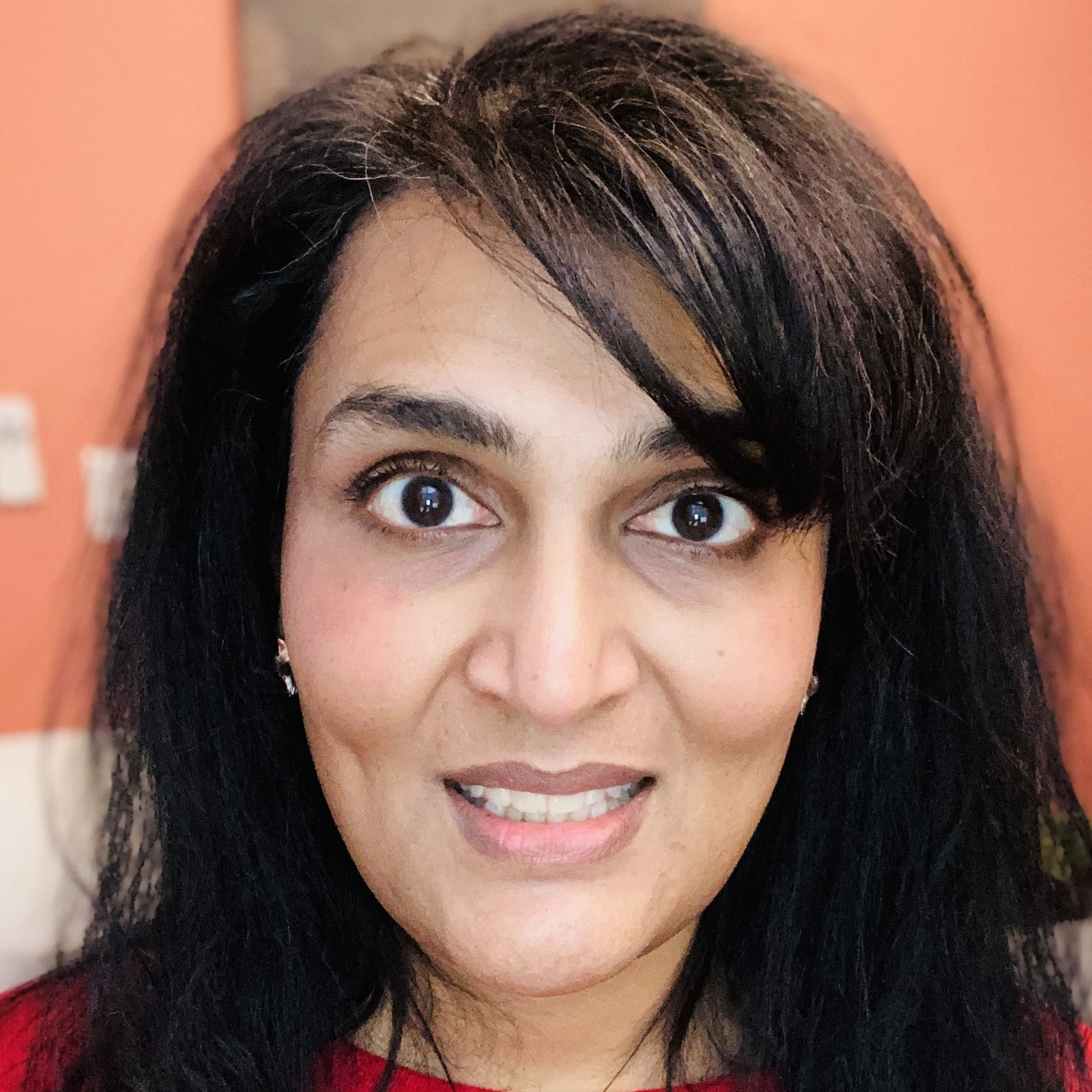
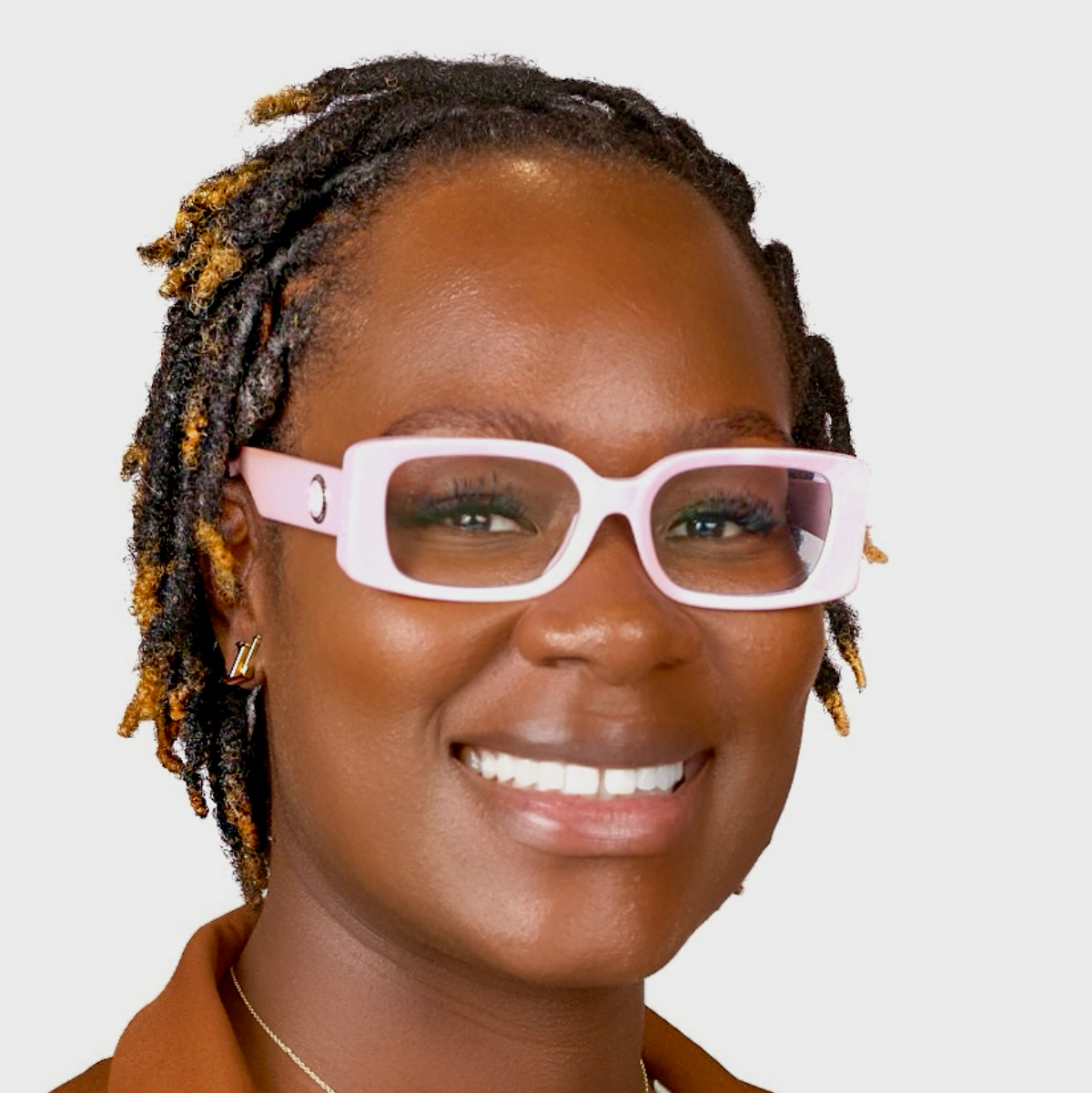
Brenda Bardaels, Psy.D., is an Occupational Health Psychologist, researcher, and U.S. Army National Guard Medical Operations Officer. She specializes in psychological safety, leadership, organizational health, and workforce resilience in high-risk environments. Brenda combines military leadership experience with evidence-based research to help organizations build healthier, more effective workplaces. She is the founder of Bardaels & Associates, serves as a consultant and trainer, and is the author of Not Your Average Leader.
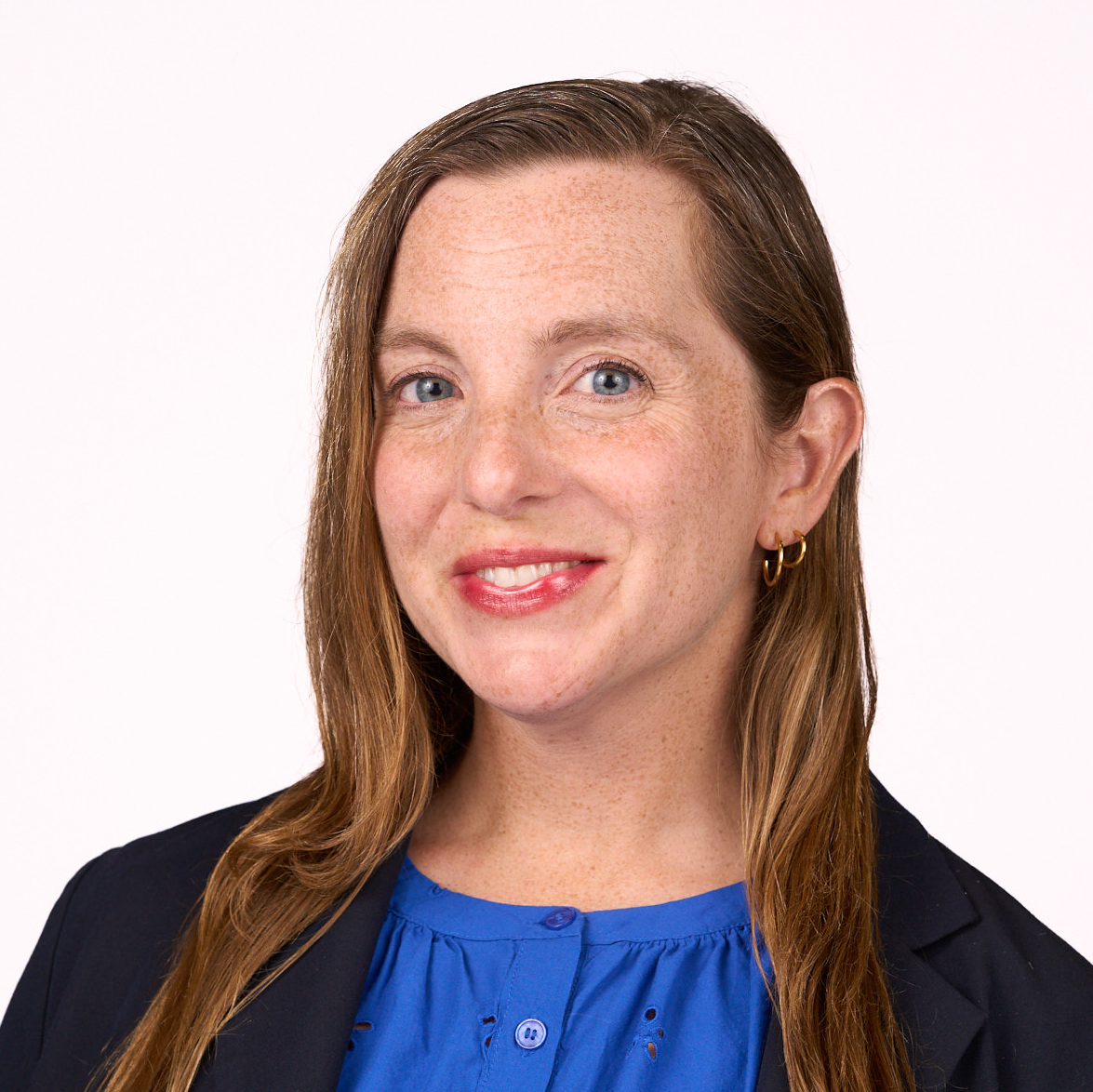
Lauren Mizock, PhD is Core Faculty in the Clinical Psychology PhD program at Fielding Graduate University and is a licensed psychologist in private practice in San Francisco. At Fielding, she is Director of the Social Justice and Diversity Specialization and Humanistic-Existential Therapy Track. She is a member of the Executive Committee of the Society for the Psychology of Women of the American Psychological Association (APA). She is the author of Women with Serious Mental Illness: Gender-Sensitive and Recovery-Oriented Care (Oxford, 2022), Acceptance of Mental Illness: Promoting Recovery Among Culturally Diverse Groups (Oxford, 2016) and Researcher Race: Social Constructions in the Research Process (Information Age Publishing, 2012). Areas of expertise include multicultural competence in research, clinical work, and pedagogy; transgender and nonbinary communities; individuals with serious mental illness; and feminist parenthood.
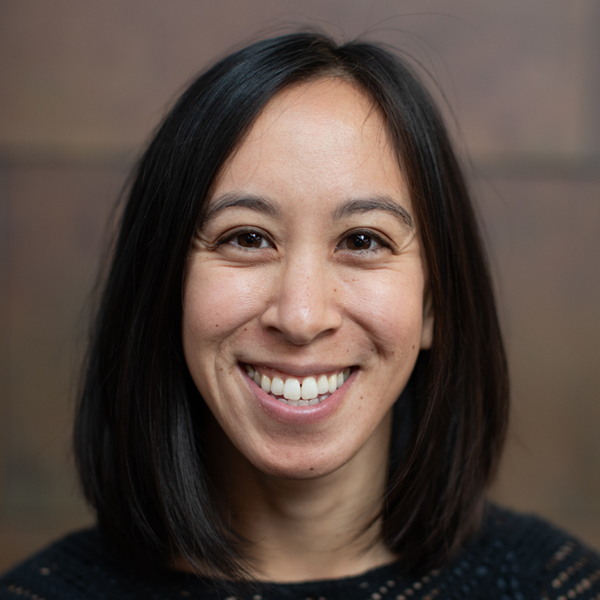
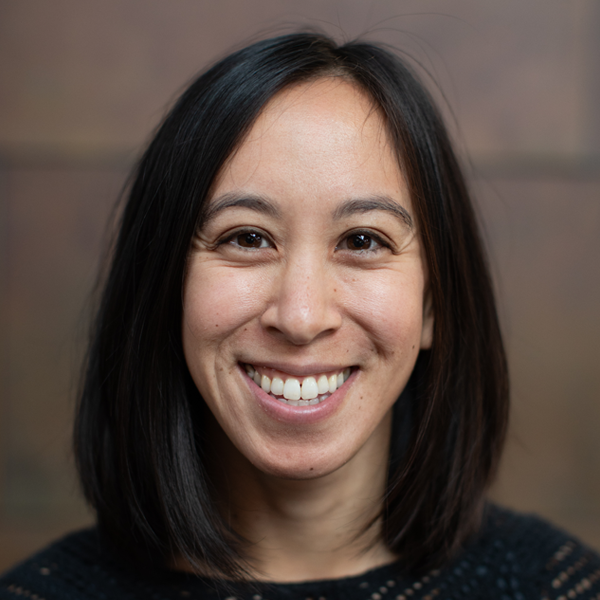
Viann Nguyen-Feng, PhD MPH LP [vee-anne win-fang] (she/her) is a counseling psychologist and associate professor of psychology at the University of Minnesota Duluth. She serves as core faculty in the clinical-counseling master's program and directs the Mind-Body Trauma Care Lab.
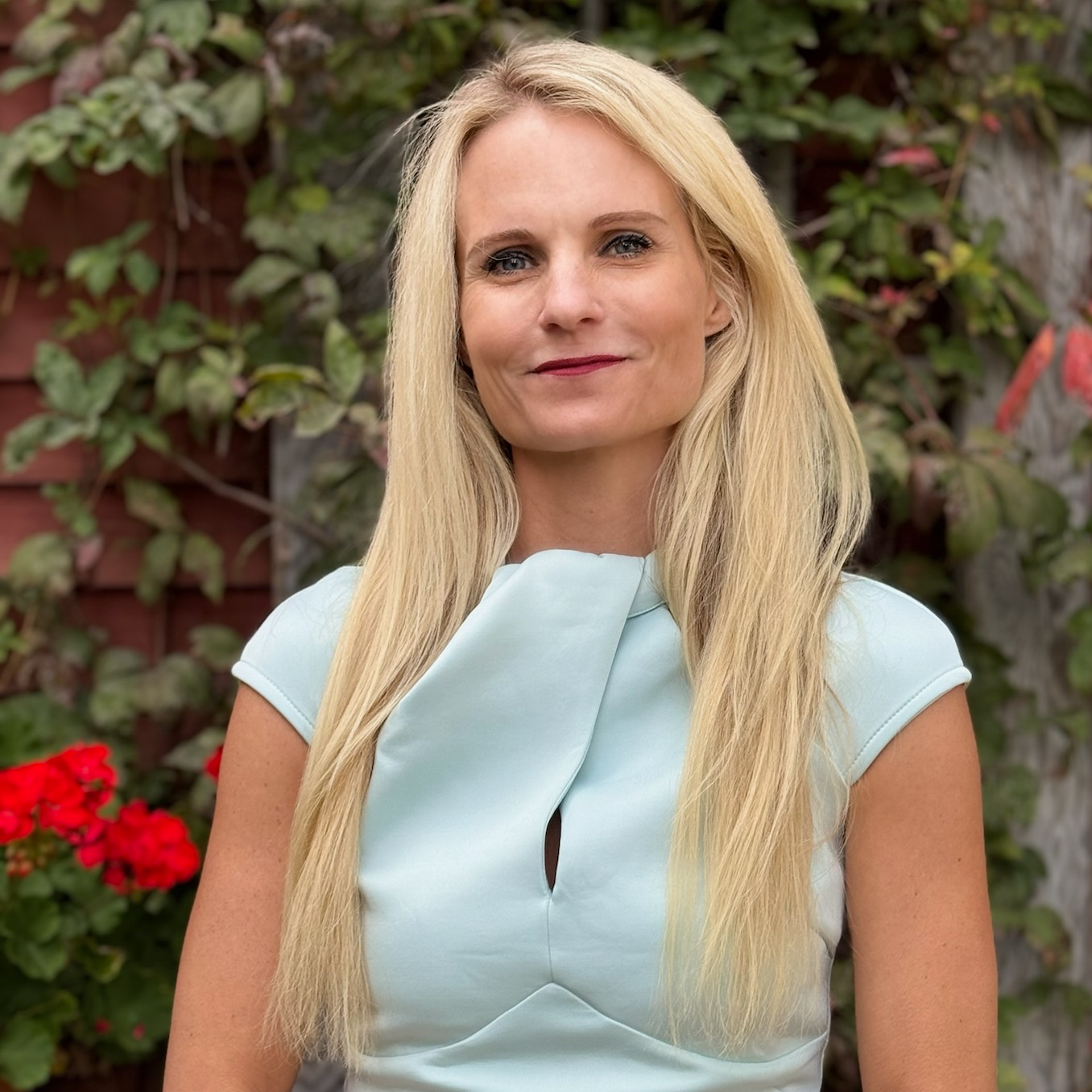
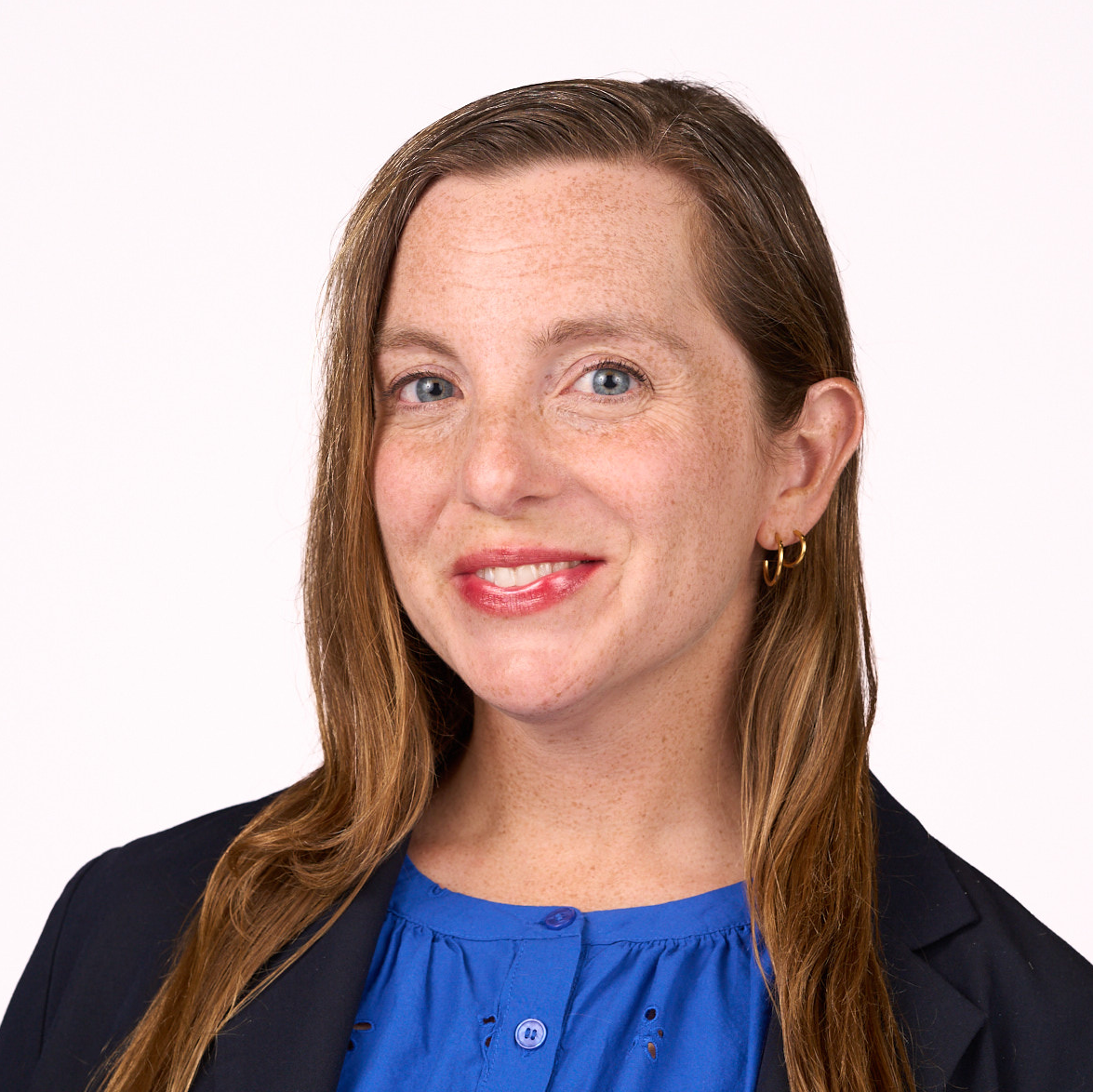
Erika R. Carr, PhD, is an Associate Professor at Yale School of Medicine and is also the Director of the Inpatient Psychology Service and Director of the Behavioral Intervention Service at Connecticut Mental Health Center in New Haven, Connecticut. She earned her doctoral degree from the University of Tennessee-Knoxville, and completed her internship at Emory School of Medicine/Grady Hospital. Dr. Carr’s primary research and clinical interests are positive behavioral support interventions, unique concerns of women with serious mental illness and gender-responsive care, recovery-oriented care, trauma, and social justice for justice involved individuals. Dr. Carr has co-authored a recent book, Women with Serious Mental Illness: Gender Responsive and Recovery-Oriented Care and recently led the charge in August 2022 to publish the American Psychological Association’s Psychological Practice Guidelines on Women with Serious Mental Illness. Dr. Carr is also interested in leadership and how to engage as a social justice advocate. To effect change, which holds major impact on the individual level as well as every other level of society, Dr. Carr seeks to engage as a social justice change agent in the systems in which she works and broader society. Dr. Carr also enjoys traveling to see new places, growing her 4 littles (Daisy, Indigo, Memphis, and Tennessee James), learning to play guitar, and growing flowers.
Dr. Mira Jourdan is a board-certified clinical neuropsychologist in private practice in Grand Rapids, MI. Her emphases include neurodevelopmental issues such as autism and lead exposure, and traumatic brain injury. Her service roles also include with the Mary Free Bed Guild, where she is currently President of the Mary Free Bed Guild, overseeing a multi-state neurorehabilitation system of care, and with the American Psychological Association, where she is currently Treasurer.
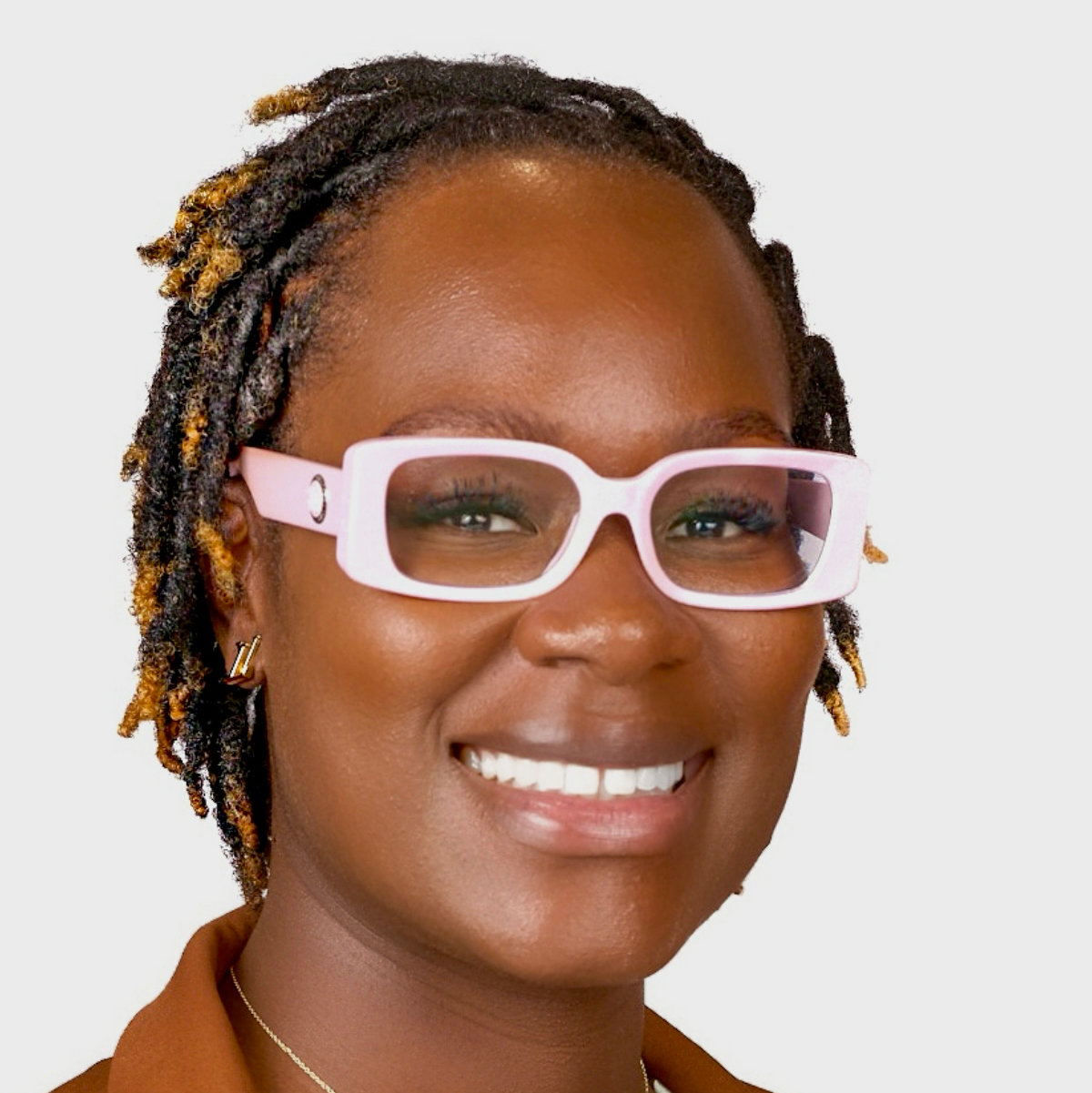
Lakeiya Dulcio, M.S., is a doctoral student in Counseling Psychology at Howard University. She holds a Master’s degree in Clinical and Counseling Psychology from Brenau University and has specialized academically in Black feminisms, complemented by a graduate certification in women’s studies. Through the lens of womanism and interactionism, her clinical experience and research explore the psychological impact of gendered racism and misogynoir on Black women, focusing on identity saliency, mental well-being, and Black sisterhood.
Lakeiya serves as the Vice Chair for the APA’s Committee on Ethnic Minority Affairs, the Student Representative for APA’s Division 35, and President for Howard University’s Mothers of the Mecca. In her roles, she advocates for equity and liberation within mental health systems for Black women and historically marginalized communities.
Dr. Konjit V. Page is Core Faculty in the Clinical Psychology PhD Program at Fielding Graduate University, President-Elect of Division 35's Section IV (Sexual & Gender Diversity), and an educator, clinician, researcher, and consultant whose work advances equity and inclusion across psychology, higher education, technology, and entertainment. She is dedicated to mentoring the next generation of psychologists through an intersectional and relational approach, supporting doctoral students and early-career professionals, particularly those from historically marginalized communities, as they develop into scholars, clinicians, researchers, and leaders.