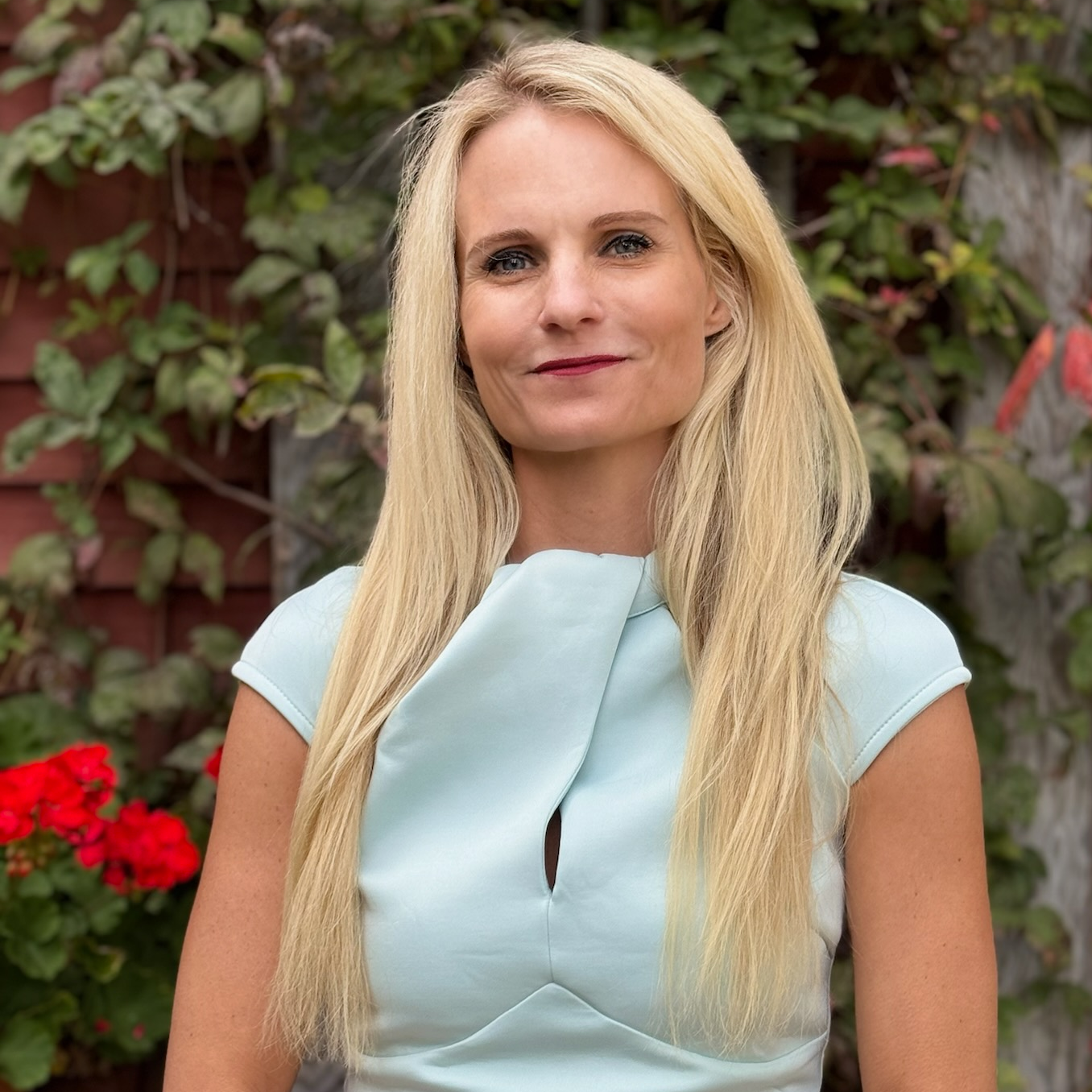
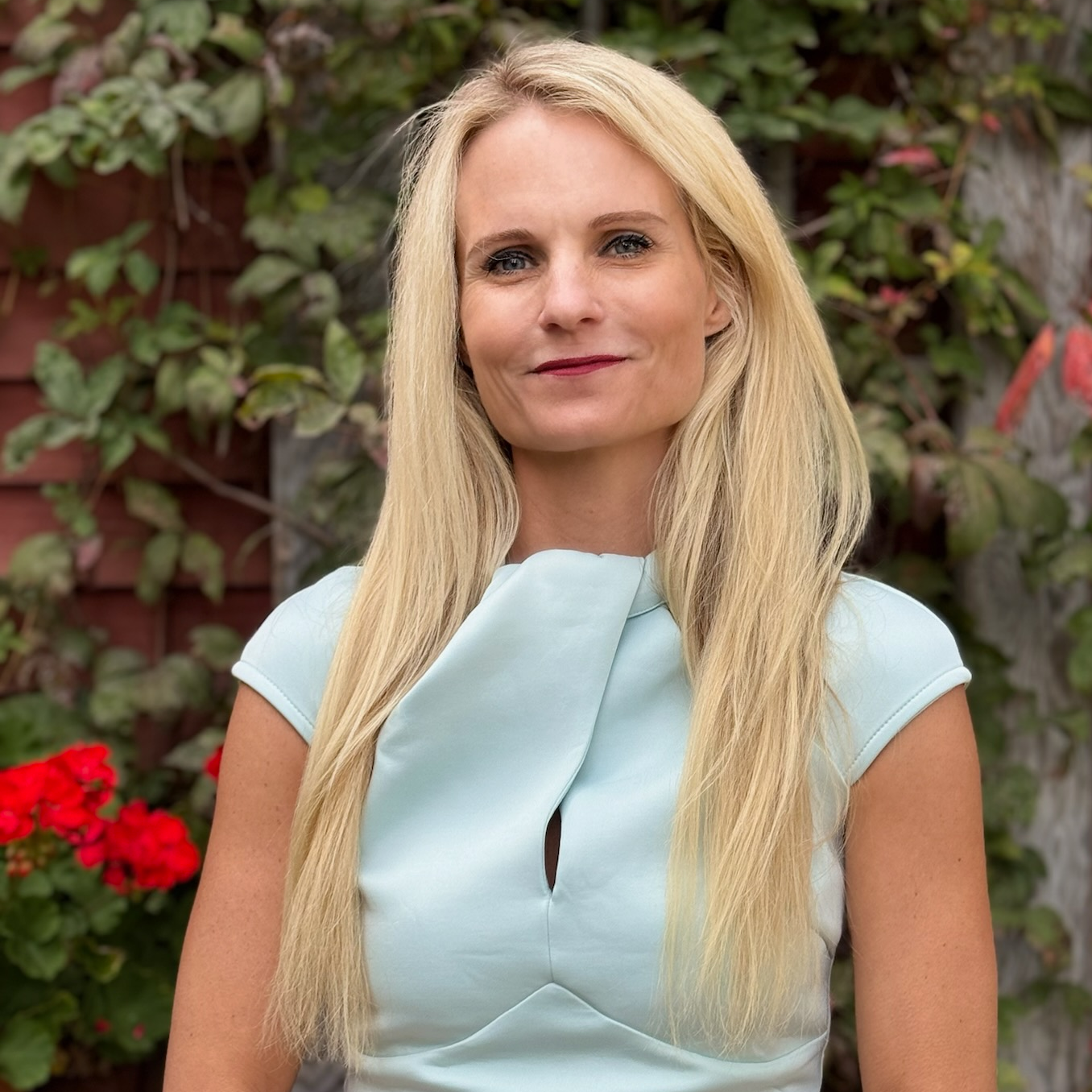
Erika R. Carr, PhD, is an Associate Professor at Yale School of Medicine and is also the Director of the Inpatient Psychology Service and Director of the Behavioral Intervention Service at Connecticut Mental Health Center in New Haven, Connecticut. She earned her doctoral degree from the University of Tennessee-Knoxville, and completed her internship at Emory School of Medicine/Grady Hospital. Dr. Carr’s primary research and clinical interests are positive behavioral support interventions, unique concerns of women with serious mental illness and gender-responsive care, recovery-oriented care, trauma, and social justice for justice involved individuals. Dr. Carr has co-authored a recent book, Women with Serious Mental Illness: Gender Responsive and Recovery-Oriented Care and recently led the charge in August 2022 to publish the American Psychological Association’s Psychological Practice Guidelines on Women with Serious Mental Illness. Dr. Carr is also interested in leadership and how to engage as a social justice advocate. To effect change, which holds major impact on the individual level as well as every other level of society, Dr. Carr seeks to engage as a social justice change agent in the systems in which she works and broader society. Dr. Carr also enjoys traveling to see new places, growing her 4 littles (Daisy, Indigo, Memphis, and Tennessee James), learning to play guitar, and growing flowers.
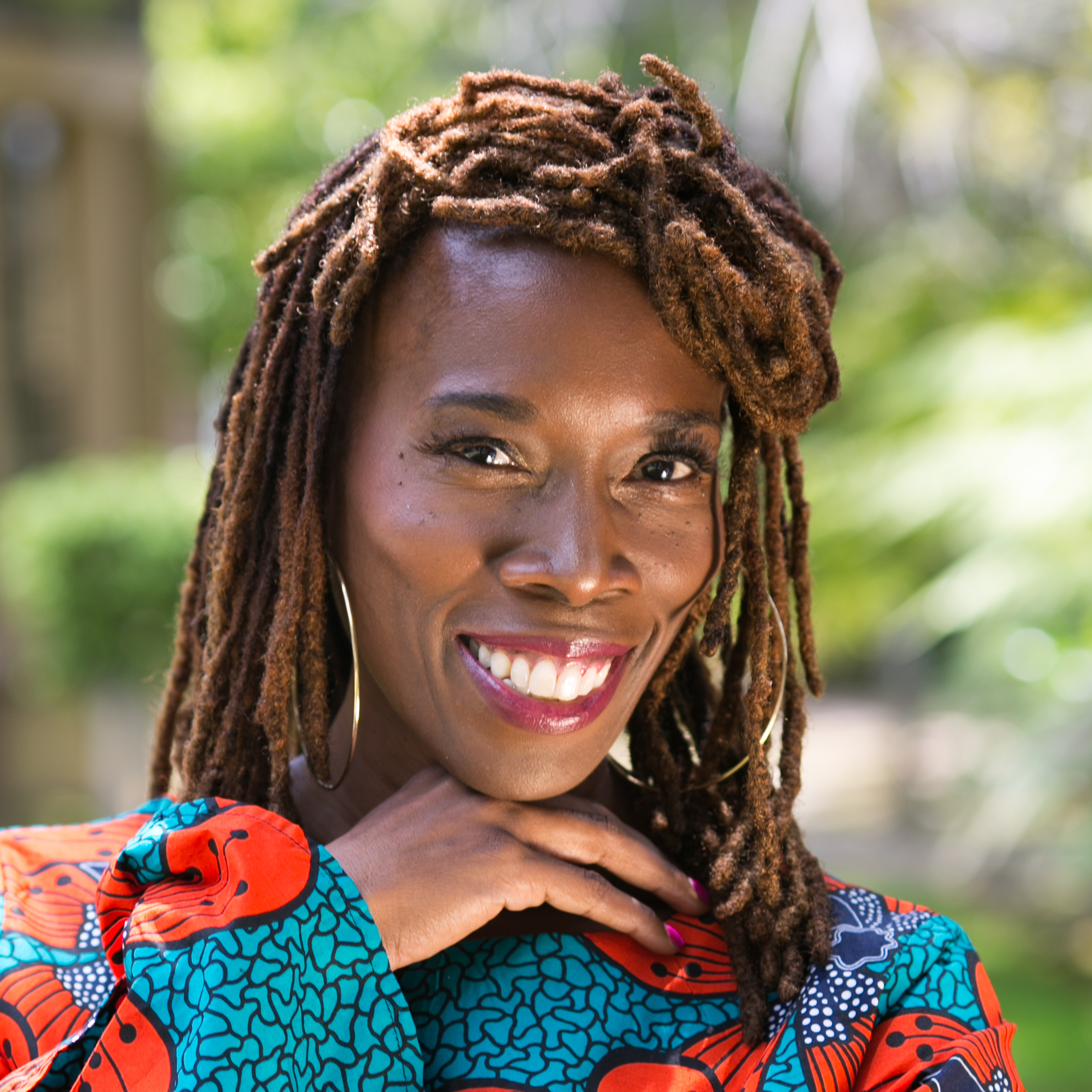
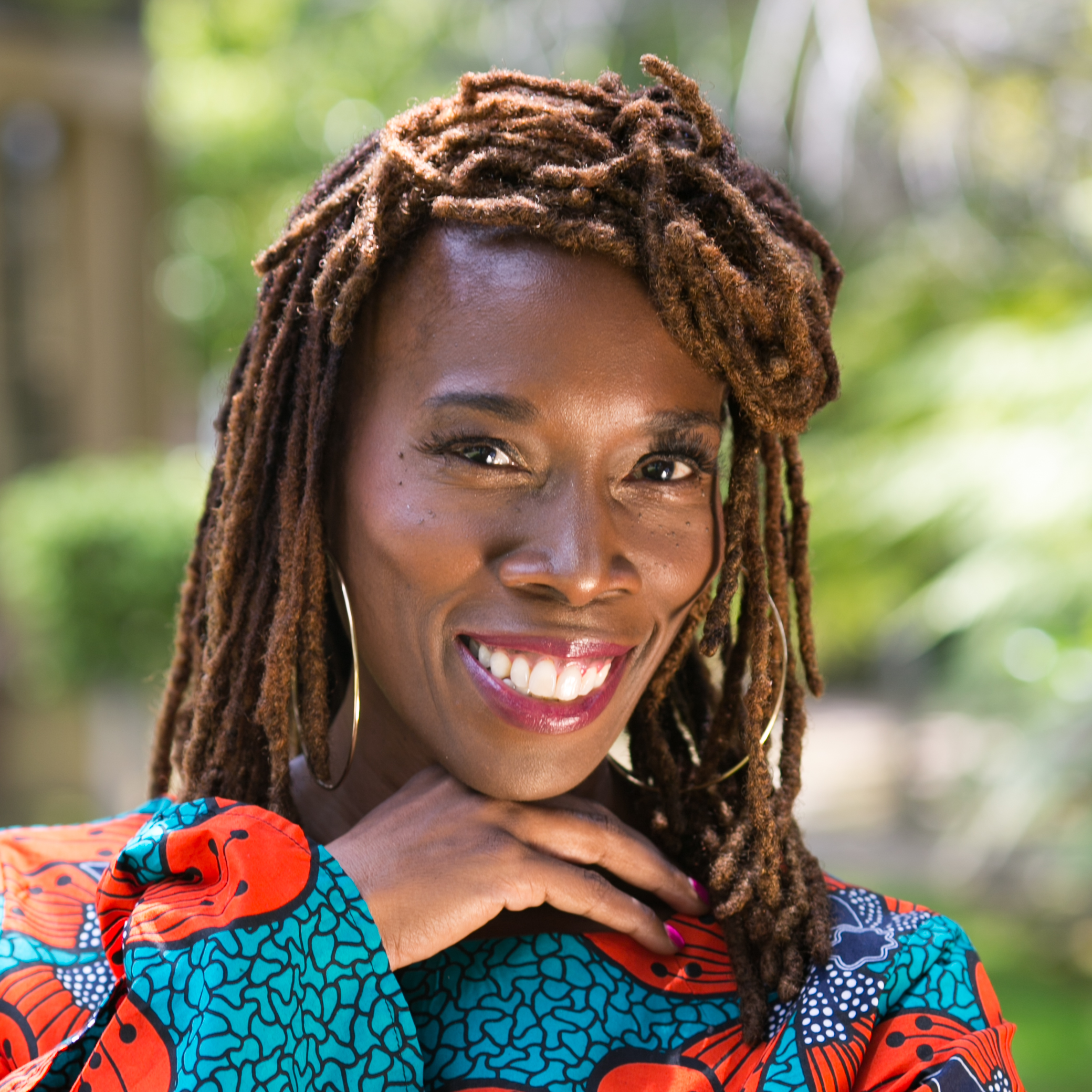
Dr. Thema Bryant is a psychologist, author, professor, sacred artist, and minister who is leading the way in creating healthy relationships, healing traumas, and overcoming stress and oppression. Her life changing books include Matters of the Heart, Homecoming, Reclaim Yourself: The Homecoming Workbook, and The Antiracism Handbook: Practical Tools to Shift Your Mindset and Uproot Racism in Your Life and Community and they empower readers to connect with themselves and to others, exploring topics such as: control issues, emotional unavailability, practical activation activities, case studies, and teaching how to shift mindset and patterns around mental health, relationships, and liberation. Dr. Thema Bryant completed her doctorate in Clinical Psychology at Duke University and her post-doctoral training at Harvard Medical Center’s Victims of Violence Program. Upon graduating, she became the Coordinator of the Princeton University SHARE Program, which provides intervention and prevention programming to combat sexual assault, sexual harassment, and harassment based on sexual orientation. She is currently a tenured professor of psychology in the Graduate School of Education and Psychology at Pepperdine University, where she directs the Culture and Trauma Research Laboratory. Dr. Thema is an ordained elder in the African Methodist Episcopal Church and leads the mental health ministry at First A.M.E. Church in Los Angeles. Most recently, she was the 2023 president of the American Psychological Association (APA) and is the host of The Homecoming Podcast.
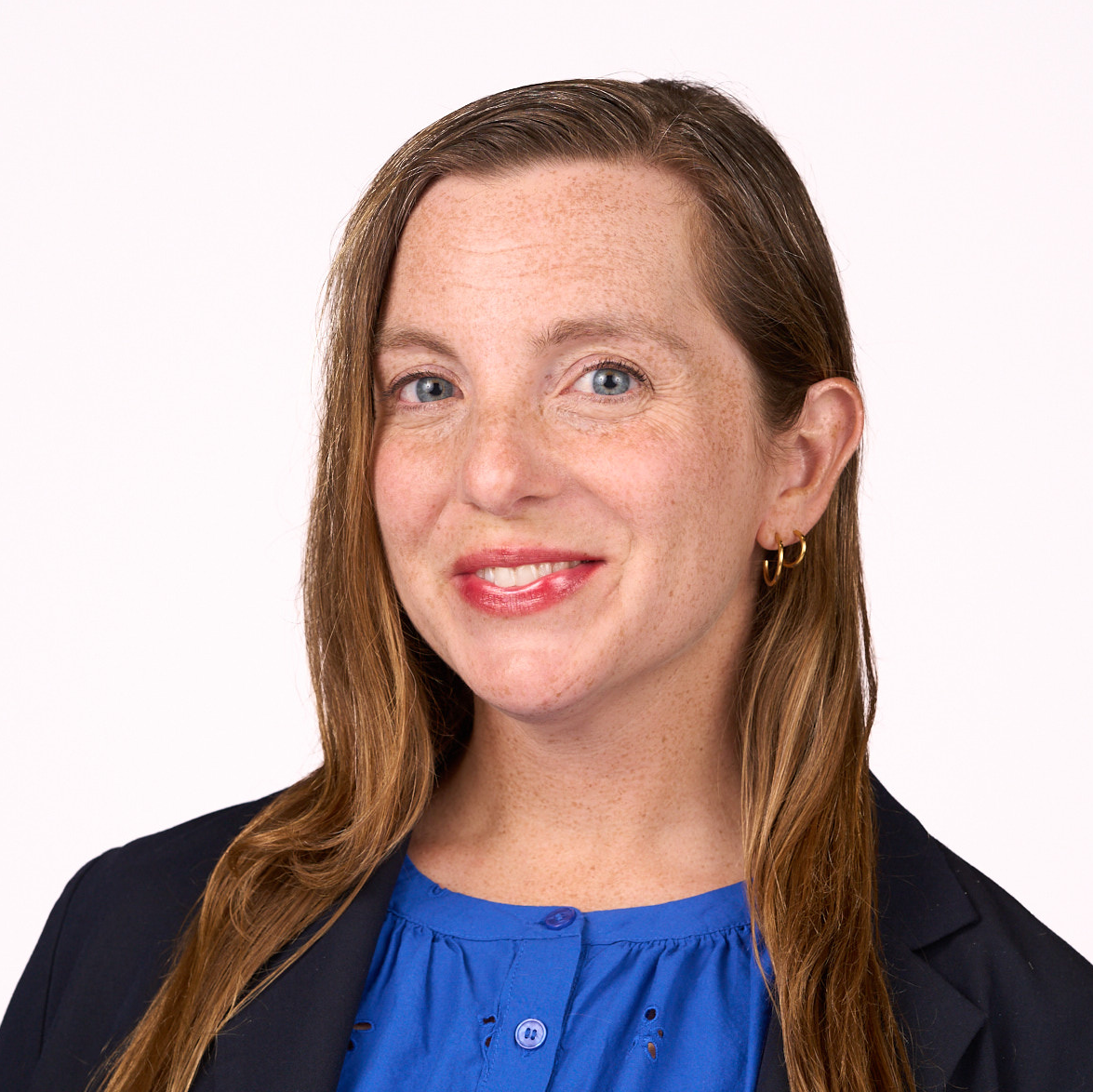
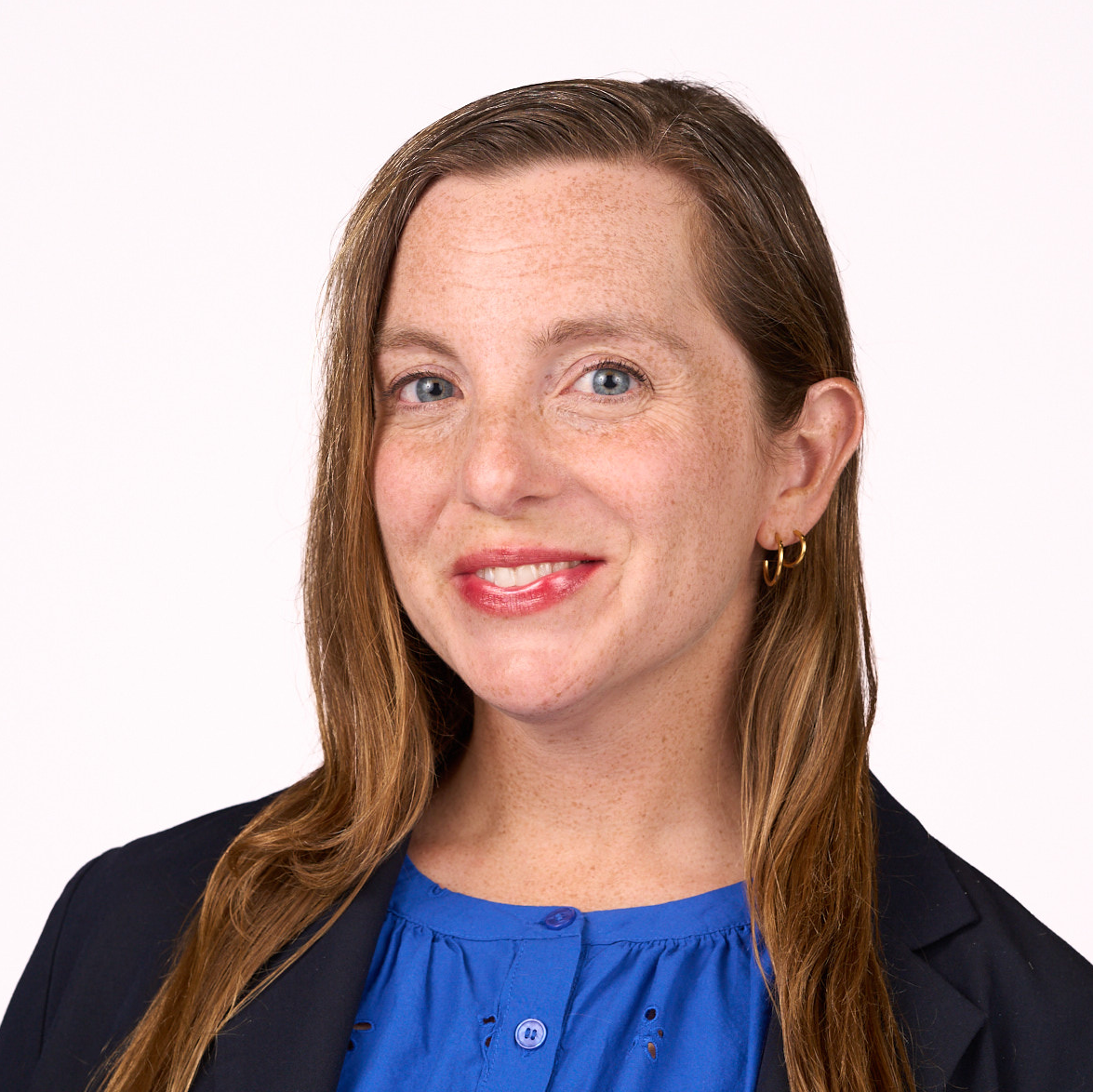
Lauren Mizock, PhD is Core Faculty in the Clinical Psychology PhD program at Fielding Graduate University and is a licensed psychologist in private practice in San Francisco. At Fielding, she is Director of the Social Justice and Diversity Specialization and Humanistic-Existential Therapy Track. She is a member of the Executive Committee of the Society for the Psychology of Women of the American Psychological Association (APA). She is the author of Women with Serious Mental Illness: Gender-Sensitive and Recovery-Oriented Care (Oxford, 2022), Acceptance of Mental Illness: Promoting Recovery Among Culturally Diverse Groups (Oxford, 2016) and Researcher Race: Social Constructions in the Research Process (Information Age Publishing, 2012). Areas of expertise include multicultural competence in research, clinical work, and pedagogy; transgender and nonbinary communities; individuals with serious mental illness; and feminist parenthood.
Julii Green, PhD (she/her/hers) is Eastern Band Cherokee and African American from San Diego, CA, and has worked in community mental health for over 15 years. She obtained her PhD in clinical Psychology from the University of North Dakota and completed postdoctoral studies at UC Berkeley (School of Public Health) and UCSF (Child Trauma Research Program). She has published in the areas of intimate partner violence (IPV) and friendship variables, the impact of IPV on Native Americans, health disparities and social determinants of health among ethnically diverse populations, gender-based stereotypes, and the development of tribe focused research. Her training is grounded in behavioral theories, and she utilizes Cognitive Behavioral Therapy, feminist, and social justice approaches in practice. Additionally, she established a research lab focused on wellness-based approaches to addressing health disparities among ethnically diverse and marginalized populations.
I have a doctorate in Clinical Psychology, earned in 1977 from Southern Illinois University at Carbondale. My career has focused on the development of theory and practice in intersectional feminist therapy, and in working with traumatized populations, integrating decolonial and culturally responsive standpoints into trauma work.