Identity Capital and Attachment in Chronic Relapse Treatment
Identity Capital and Attachment in Chronic Relapse Treatment
Pricing
Information
Date & Time
-
-
 Google (In-Person)
 Outlook.com (In-Person)
 Yahoo (In-Person)
Location
-
The Summit Wellness Group
745 Hembree Pl
Roswell, Georgia 30076
Learning Objectives
Participants will be able to:
-
Identify at least three relational and systemic factors that contribute to treatment fatigue, institutionalization, and chronic relapse.
-
Explain the overlap between attachment theory and community-based treatment models in supporting identity development and sustained recovery.
-
Apply two relationship-centered or experiential interventions that foster identity capital, joy, and relational traction while maintaining appropriate ethical boundaries.
Educational Goal
Description
Across the behavioral health landscape, clinicians increasingly encounter clients who are not new to treatment and, frankly, have become exhausted by it. Individuals who know the language, understand the assignments, and can “do the dance,” yet remain profoundly stuck. Repeated treatment episodes, chronic relapse patterns, and institutional conditioning often interrupt relational traction and undermine the development of authentic community.
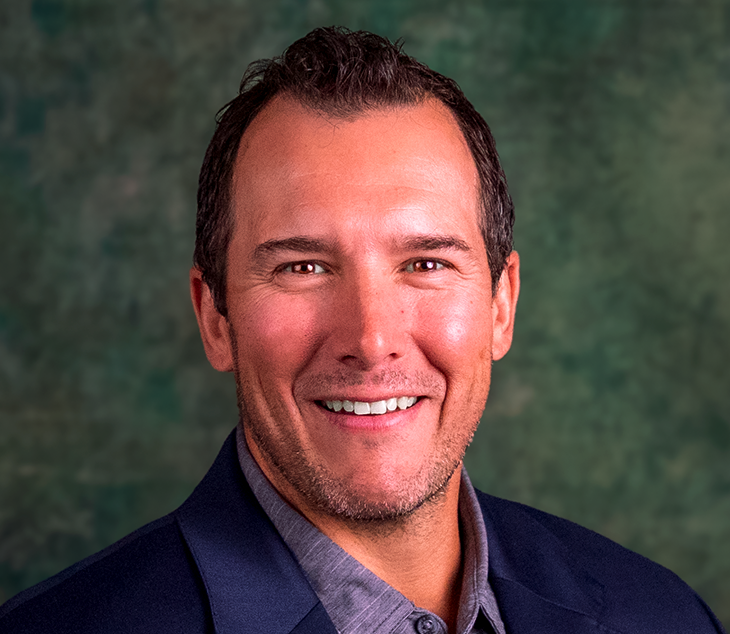
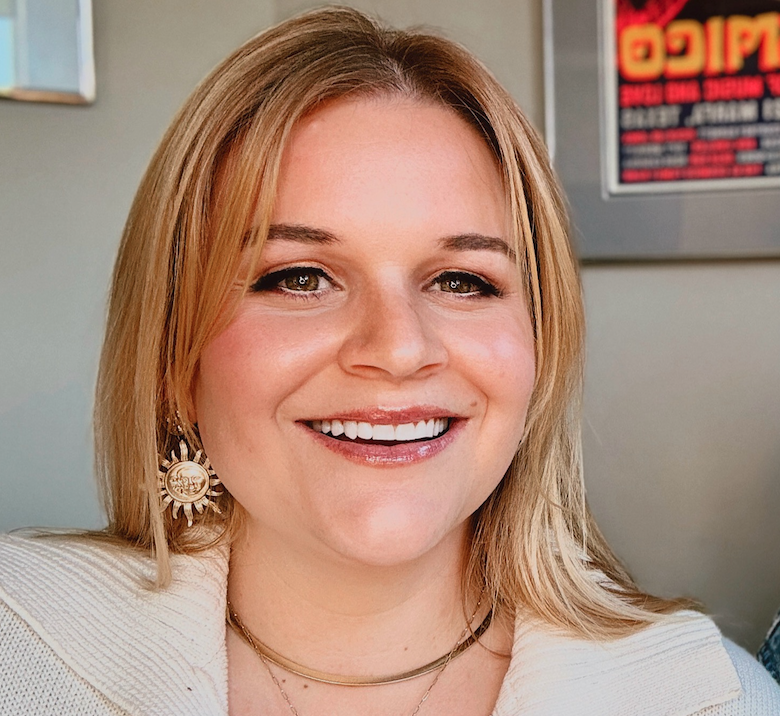
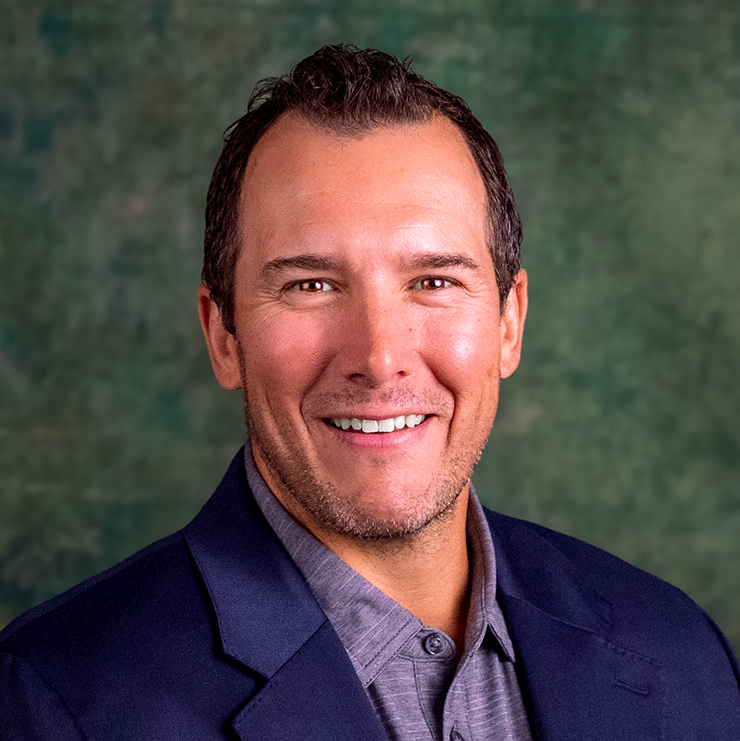
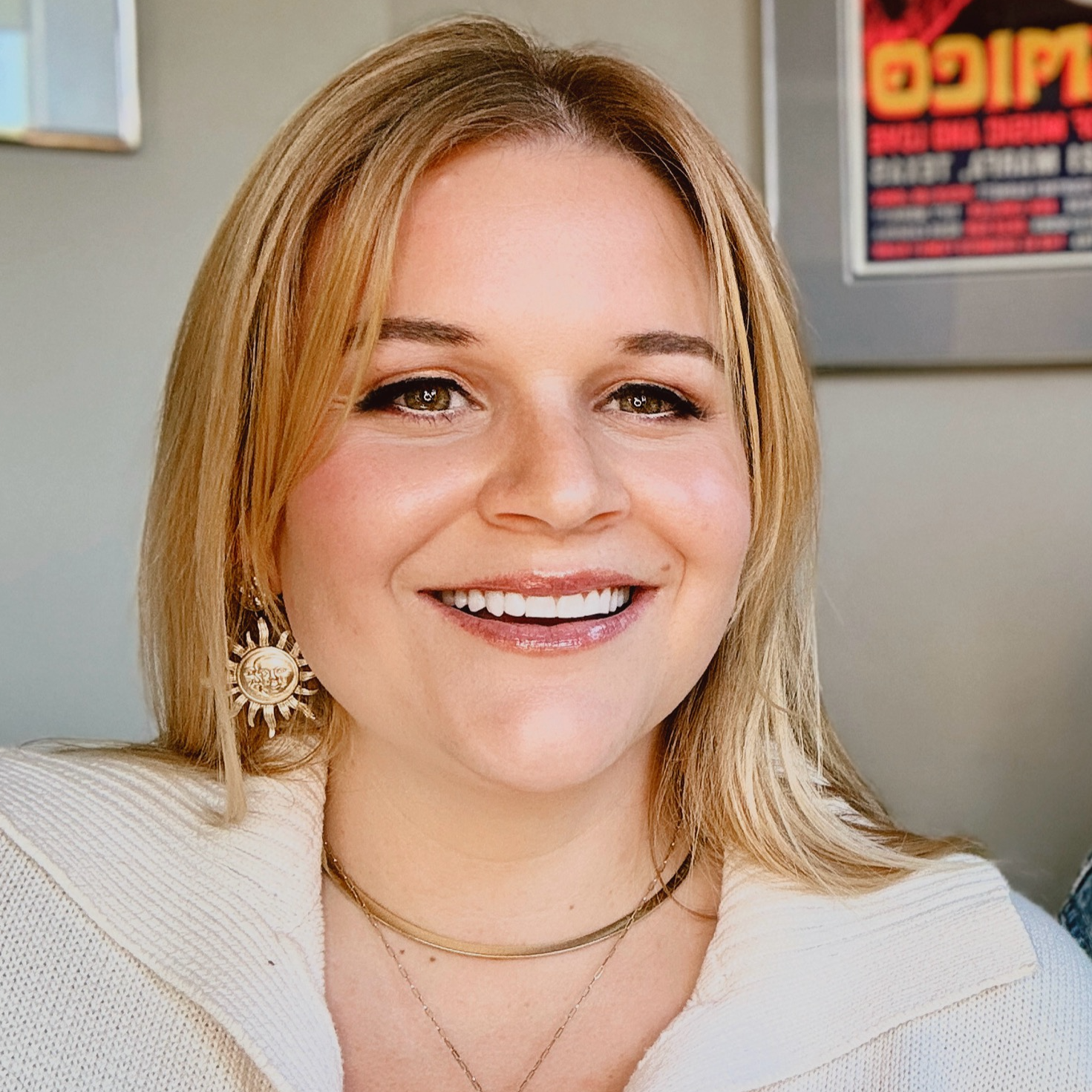
This continuing education training explores how to move beyond programmatic containment and into relationship-centered, community-based recovery work. Grounded in values of the "Open Community Model" Stefan and Kara explore how evidenced-based methodologies can be used to support clients in moving through the “stuck” and develop belief that joy, meaning, and authentic connection are options for them in recovery. Central to sustained recovery — this course invites clinicians to examine both the systemic contributors to treatment fatigue and the transformative potential of relational depth.
Participants will examine how institutionalization can manifest as entitlement, learned helplessness, diminished fear of consequences, and difficulty imagining a thriving future. We will explore how treatment environments themselves can inadvertently reinforce these patterns, and how cultural humility and sensitivity to treatment language and norms are essential when working with individuals who have experienced repeated episodes of care.
Target Audience
- Addiction Professional
- Counselor
- Marriage & Family Therapist
- Psychologist
- Social Worker
Presenters
Financially Sponsored By
- Jaywalker Lodge