Open help menu
In Person

Held While Holding: Self-Care Strategies for the Trauma Therapist

|

Information

Date & Time

Location

Description

This interactive 90-minute training equips clinicians who work with trauma with practical tools to support their own well-being, prevent professional burnout, and sustain a healthy and effective clinical practice throughout their careers. Participants learn to tell vicarious traumatization, compassion fatigue and burnout apart, drawing on the work of McCann & Pearlman, and Figley and Maslach. They also learn the early warning signs in their own practice. The session then teaches a four-pillar sustainability framework: Body, Mind, Connection, and Meaning & Limits. Guided pair and small-group discussion explores what clinicians carry home from the work and what helps them feel supported. The training ends with a hands-on practice lab covering nervous-system regulation, a between-session transition ritual and practice asking for support. Each participant leaves with a personal sustainability plan: one practice to start, one limit to protect and one person to reach out to.

Learning Objectives

Participants will be able to:

  • Differentiate between vicarious traumatization, compassion fatigue, and burnout, and identify at least three early warning signs of each in their own clinical practice.

  • Apply a four-pillar sustainability framework (Body, Mind, Connection, and Meaning & Limits) to the daily demands of trauma-focused clinical work.

  • Develop a personal sustainability plan that uses at least two regulation or support-seeking strategies practiced in the session, such as a between-session transition ritual.

Educational Goal

The educational goal of this workshop is for participants to be able to recognize the early signs of vicarious traumatization, compassion fatigue and burnout in their own practice. They will also be able to apply a four-pillar sustainability framework (Body, Mind, Connection, and Meaning & Limits) to protect their well-being over a long career. Clinicians will leave with practical regulation and support-seeking skills and a personal sustainability plan, so they can stay present, effective and ethically grounded in their future trauma work.

Target Audience

  • Addiction Professional
  • Counselor
  • Marriage & Family Therapist
  • Social Worker

Presenters

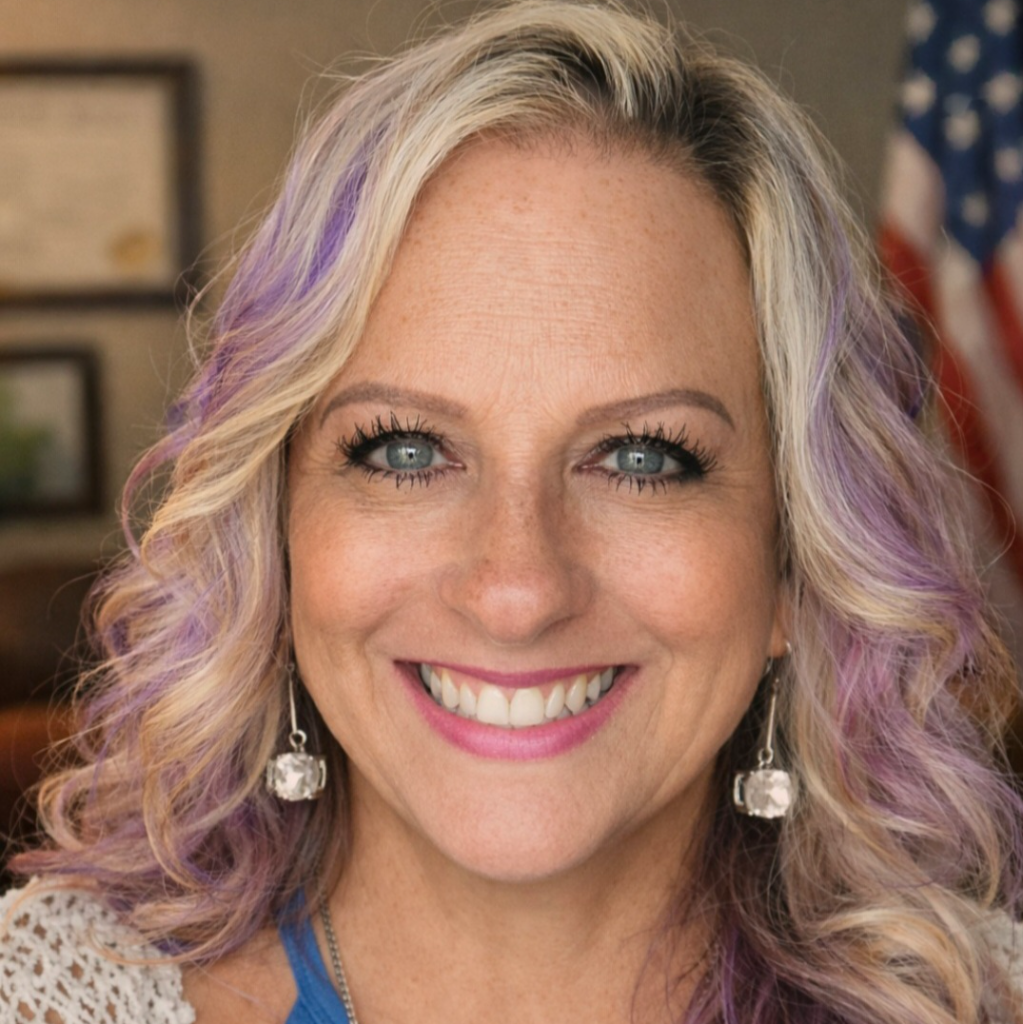
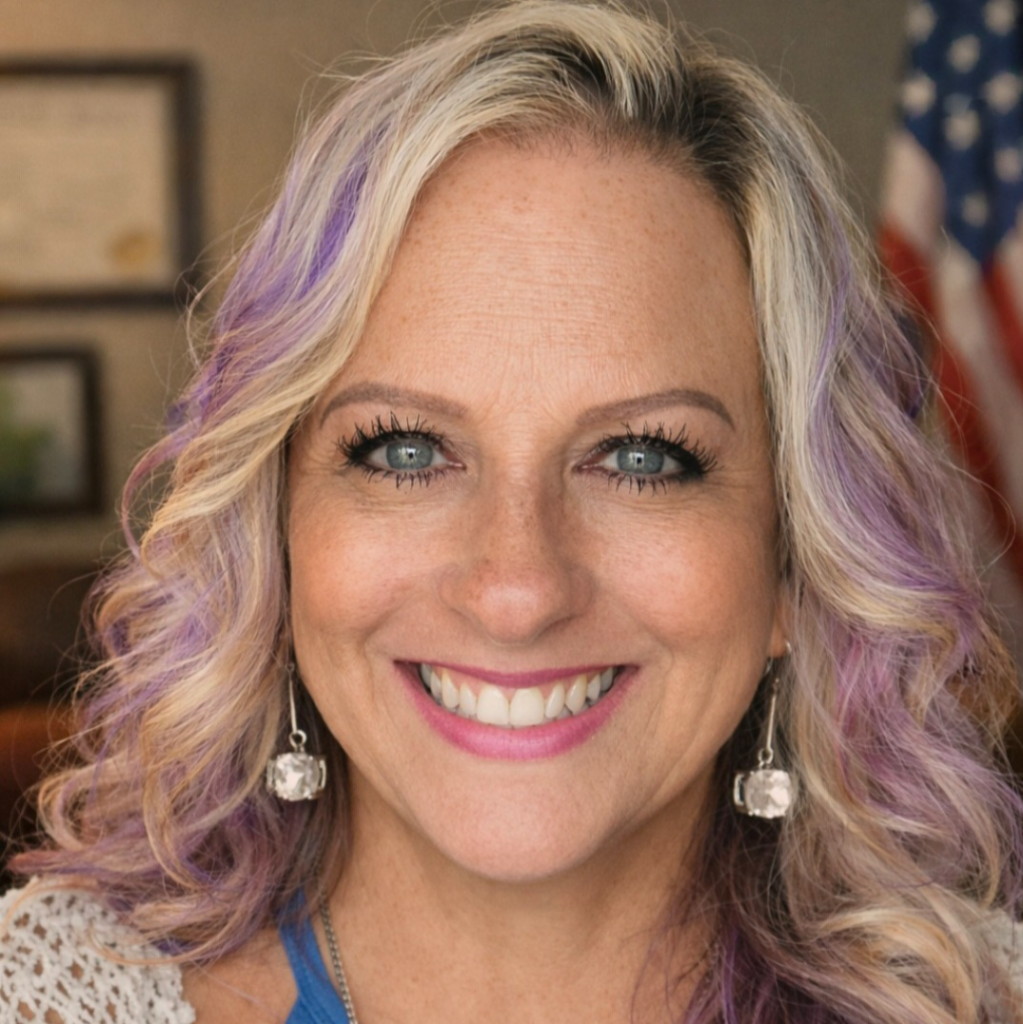
Stacia Hood Lankford, MS, LPC-S, is a licensed professional counselor supervisor with more than thirty-nine years in the mental health and substance abuse industry. She was born in Dallas, Texas and lived in both East Texas and a small suburb of Dallas while she was growing up. After completing her undergraduate program in theology and biblical studies she worked with youth groups in churches in both California and the Dallas area and soon after earned her Master of Science degree in counseling from Texas A&M University-Commerce. Stacia is the definition of the “Wounded Healer” and her greatest passion is facilitating the healing process for those struggling with PTSD, chronic grief and other traumas as well as helping other clinicians be their absolute best for their clients. In addition to a long history of working in substance abuse residential treatment settings and acute care psychiatric hospitals, Stacia has worked in both the managed care environment and for one of the largest insurance companies in our country. These experiences on “both sides of the fence” have equipped her with a 360-degree view of health care from intervention to treatment and reimbursement. Stacia was raised by a Marine and an RN – so WHEN she makes her bed (which is rare) it will pass inspection with perfect hospital corners. She lives with her husband, David, and their two rescue dogs, Maudie, and Aggie. They have four adult children and are “Sugar” and “G-Daddy” to the smartest, funniest, and coolest granddaughters and grandson who are their greatest joys. Her favorite thing to do is love people.

Financially Sponsored By

  • Warriors Heart