
Good Intentions, Bad Outcomes: Why Veterans and First Responders Drop Out of Care with Otherwise-Skilled Providers
Good Intentions, Bad Outcomes: Why Veterans and First Responders Drop Out of Care with Otherwise-Skilled Providers
Information
Recorded
-
-
Learning Objectives
Participants will be able to:
-
Recognize at least two often invisible cultural norms, values, and/or communication styles that set veterans and first responders apart.
-
Describe how well-intended clinical approaches can inadvertently trigger resistance or withdrawal from care.
-
Identify at least one practical tool providers can implement to reduce client dropout and increase engagement.
Educational Goal
Description
Many mental health providers are deeply motivated to work with veterans and first responders – and with good reason. It is truly wonderful to work with those who protect and defend others. These individuals are often service oriented and altruistic by nature. In addition, they possess extraordinary resilience, a strong sense of duty, and a deep desire to be better everyday for the people who count on them. Working with this population can be meaningful and incredibly rewarding.
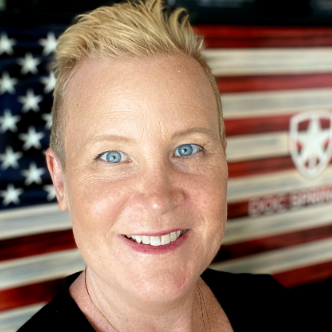
Presenters Doc Springer and Robyn Sonnier continually heard from their clients that they have dropped out of care with other providers because of how they experienced treatment with other licensed providers. As they listened closely to their stories, it became clear that there is a hidden cultural - and trust deficit - between veterans and first responders and well-intentioned, otherwise-skilled providers who likely get great outcomes with other clients. Veterans and first responders frequently report feeling misunderstood, judged, or emotionally unsafe in sessions. These deficits are not always about clinical expertise but rather context, communication, and culture.
This training will begin to pull back the veil on this often hidden barrier to care. Participants will learn what veterans and first responders wish their past therapists had known, the unspoken codes and cultural norms that can make or break trust, common missteps that lead to dropout, and how to adapt their approach to create psychological safety and cultural alignment.
Participants will:
-
Learn to identify often invisible cultural norms, values, and communication styles that set veterans and first responders apart.
-
Achieve clarity on how well-intended clinical approaches can inadvertently trigger resistance or withdrawal from care.
-
Gain insight into how trust is the primary currency in effective care for the military and first responder population.
-
Obtain practical tools they can implement to reduce client dropout and increase engagement.
*This session will also introduce and preview a 10-hour training series designed to help equip mental health professionals to work with veterans & first responders in a culturally competent, trauma-informed, and relationally attuned way.*
Target Audience
- Addiction Professional
- Counselor
- Marriage & Family Therapist
- Psychologist
- Social Worker
Presenters


Financially Sponsored By
- Thin Line Advisory
- Robyn Sonnier, LPC, LLC