On-Demand
Frozen, Explosive, or Fading Away: Recognizing Catatonia Across Presentations in Youth
|
Frozen, Explosive, or Fading Away: Recognizing Catatonia Across Presentations in Youth
1.25 On-Demand
Intermediate
$0
Information
Recorded
-
-
Description
Despite catatonia being a treatable condition, it is frequently missed or mischaracterized in youth, particularly when presentations are agitated, fluctuating, or embedded within other conditions, diagnoses, or presentations. This session aims to close gaps in recognition, treatment planning, and caregiver support by providing a practical framework for identifying catatonia across presentations and responding with evidence-based interventions.
Educational Goal
The educational goal of this workshop is to enhance clinicians’ ability to accurately recognize and differentiate clinical presentations of catatonia in youth—including agitated, fluctuating, and diagnostically complex cases—by strengthening skills in case-based identification, evidence-based treatment planning, and practical strategies to support caregivers, thereby reducing mischaracterization and improving timely, effective intervention.
Learning Objectives
Participants will be able to:
-
Differentiate between common clinical presentations of catatonia.
-
Evaluate case examples to exhibit identifiers of catatonia and evidence-based treatments for each form.
-
Demonstrate at least three ways to support parents when their child has catatonia.
Target Audience
- Addiction Professional
- Counselor
- Marriage & Family Therapist
- Psychologist
- Social Worker
Presenters
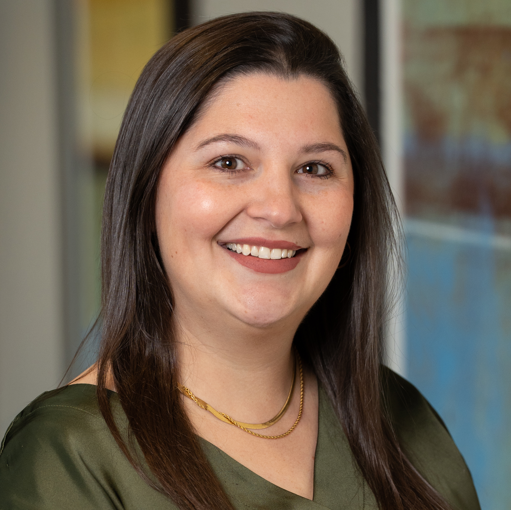
Dr. Meagan Heilman, Ph.D., is a licensed clinical psychologist in the Comprehensive Assessment and Treatment (CAT) Program. She earned her Ph.D. from the University of Alabama, with a focus on child and adolescent psychopathology. She also obtained a master’s degree in statistics and a specialization in child and adolescent forensic psychology. Dr. Heilman completed her internship and postdoctoral fellowship at Huntsman Mental Health Institute, where she gained experience across youth inpatient services, day treatment, and the CAT Program. She was trained primarily within a cognitive-behavioral framework and integrates elements of dialectical behavior therapy (DBT), acceptance and commitment therapy (ACT), and parent management training (PMT). In addition to her clinical work, Dr. Heilman has interests in supervision, and research focused on early prevention and intervention for youth.
Sarah Mitchell, PsyD is a clinical psychologist in the Comprehensive Assessment and Treatment (CAT) Program at Huntsman Mental Health Institute (University of Utah), specializing in psychological assessment, adolescent psychiatry, and family therapy within complex care systems. Her work focuses on autism, ADHD, mood disorders, and early psychosis in hospital settings, with emphasis on collaborative treatment planning.
Financially Sponsored By
- NATSAP