

Open help menu

Pricing

Information

Date & Time

Description

This program will showcase four capstone projects completed by graduates of the 2026 Society of Military Psychologists (Division 19) Society Leadership Program (SLP). The presentations highlight current issues and applications of military psychology across behavioral health, health psychology, aviation medicine, military families, leadership, and moral injury. Collectively, the capstone projects demonstrate how psychologists and other mental health professionals can apply psychological science and evidence-based practice to support the readiness, health, well-being, and longevity of Service Members, Veterans, and military-connected populations.

Educational Goal

The educational goal of this workshop is to broaden participants’ ability to apply psychological science to the clinical, occupational, family, and leadership challenges of military service. Participants will strengthen their understanding of provider burnout, health psychology in aviation, military family needs, and moral injury to inform culturally responsive practice, consultation, and research that support well-being and readiness.

Learning Objectives

Participants will be able to:

  • Critically analyze at least three potential systemic resource shortages and empirical data gaps affecting the US Army with regard to Mental Health Officers.

  • Identify two reasons why targeted research into provider burnout is critical for sustaining force readiness and shaping retention policy.

  • Describe two ways leaders can recognize potential indicators of moral injury and apply a leadership framework to support early recognition, appropriate engagement, and timely referral.

Target Audience

  • Addiction Professional
  • Counselor
  • Marriage & Family Therapist
  • Psychologist
  • Social Worker

Presenters

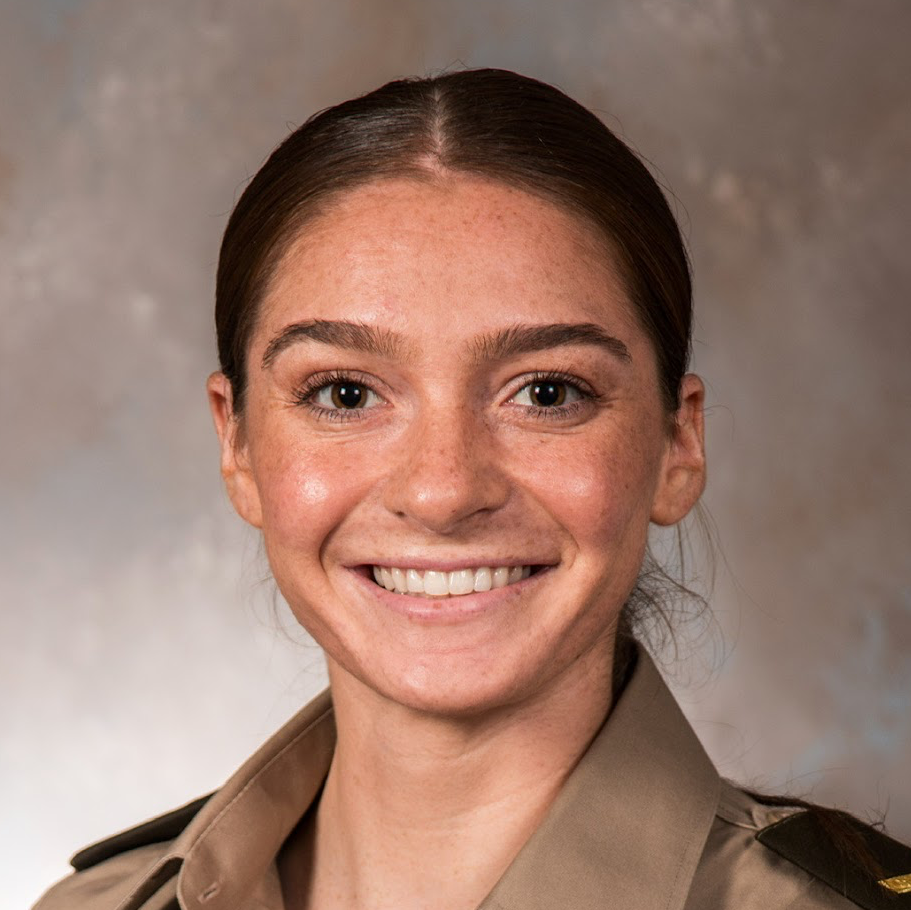
Rachel L. Prokop, PsyD, is a Licensed Psychologist and an active-duty Clinical Psychologist currently completing a Post-Doctoral Health Psychology Fellowship at Tripler Army Medical Center in Honolulu, Hawaii. She previously served as the sole active-duty psychologist assigned to the Lyster Army Health Clinic Behavioral Health Department at Fort Rucker, Alabama, and as Brigade Behavioral Health Officer for the 1st Combat Aviation Brigade, 1st Infantry Division at Fort Riley, Kansas, where she oversaw clinical service delivery, crisis intervention, and suicide risk management. Dr. Prokop earned her Doctorate of Psychology (Psy.D.) and Master of Arts (M.A.) in Clinical Psychology from Midwestern University in Glendale, Arizona, following Bachelor of Science degrees in Psychology and Human Development from the University of Wisconsin-Green Bay. She is an American Board of Professional Psychology (ABPP) Board Certification Candidate in Clinical Health Psychology, a 2026 Fellow of the American Psychological Association (APA) Division 19 (Society for Military Psychology), and serves as Chair of the Military and Veterans' Health group for the Society of Behavioral Medicine. Dr. Prokop has served as an instructor for the Department of Aviation Medicine at Fort Rucker, teaching aeromedical psychology, stress, and fatigue management. She is the lead co-editor of The Role of Health Psychology in Military Aviation Medicine (Springer, 2026) and holds advanced clinical certifications in Cognitive Processing Therapy (CPT), Prolonged Exposure (PE), Acceptance and Commitment Therapy (ACT), Eye Movement Desensitization and Reprocessing (EMDR), clinical hypnosis, and biofeedback.
Melisa Finley, PsyD, ABPP, is an active-duty Major and Licensed Clinical Psychologist serving as the Clinical Psychology Residency Program Director at Womack Army Medical Center in Fort Bragg, North Carolina. She earned her Master of Science and Doctor of Psychology (PsyD) in Clinical Psychology from Nova Southeastern University and her Bachelor of Science in Psychology, Cum Laude, from Georgia College and State University. Dr. Finley is dually board-certified by the American Board of Professional Psychology (ABPP) in Clinical Child and Adolescent Psychology and Clinical Psychology. Dr. Finley commenced her active-duty service as a clinical psychology intern at Tripler Army Medical Center in 2014, subsequently serving as a Behavioral Health Officer with the 254th Combat Operational Stress Control (COSC) unit in Baumholder, Germany, which included a nine-month operational deployment to CENTCOM in support of service members across Iraq, Jordan, and Kuwait. She later completed a two-year APA-accredited fellowship in Child and Adolescent Clinical Psychology at Tripler Army Medical Center and graduated from the APA Division 19 (Society for Military Psychology) Society Leadership Program. Dr. Finley has held vital clinical leadership positions, including Chief of an Embedded Mental Health Clinic, Chief of Child and Adolescent Family Behavioral Health Services at Fort Bragg, and hospital lead for Joint Commission behavioral health accreditation standards. A published author on military disaster mental health and operational stress control, Dr. Finley’s expertise encompasses military family readiness, pediatric and adolescent behavioral health, psychological trauma, and clinical training systems.
Adam Raines
Dr. Katharina Simms, MA, DBA
Katharina “Kat” Simms, MA, DBA, is a doctoral researcher and clinical psychology doctoral candidate at the Uniformed Services University of the Health Sciences in Bethesda, Maryland. She holds a Master of Arts in Clinical Mental Health Counseling from Adams State University and a Doctor of Business Administration in Organizational Leadership from Walden University. Her professional background combines military personnel leadership as a former U.S. Army Adjutant General officer with extensive applied research and clinical assessment experience serving service members and veterans. A graduate of the Society for Military Psychology (APA Division 19) Society Leadership Program, she focuses on the intersection of military leadership, force readiness, and moral injury, including empirical research on the development and validation of morally injurious life event measurement frameworks.
Annie McConnon, EdM, CMPC
Annie McConnon, EdM, CMPC, is a doctoral candidate in Clinical Psychology at the Uniformed Services University of the Health Sciences and an active-duty officer in the United States Army. She holds a Master of Education in Counseling, Sport and Performance Psychology from Boston University and is a Certified Mental Performance Consultant through the Association for Applied Sport Psychology. Her clinical and operational training includes health psychology practice at Walter Reed National Military Medical Center, operational psychology with the Marine Corps Embassy Security Group, and performance psychology support with collegiate and military populations. Her research and scholarship center on the translation of psychological skills to enhance performance, resilience, and well-being in high-pressure operational environments, as well as the ethical integration and provider perceptions of artificial intelligence in clinical psychology and behavioral healthcare.

Financially Sponsored By

  • APA Division 19: Society for Military Psychology